
Sign up to save your podcasts
Or

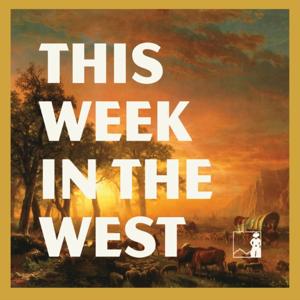

🤠This Week in the West
📢 Episode Summary:
Traveling from New Orleans to St. Louis and deep into the fur-trade country of the Missouri River, Wilhelm followed in the footsteps of Lewis and Clark. Along the way, he met legendary explorer William Clark and became acquainted with Jean Baptiste Charbonneau, who later accompanied him back to Europe. His journeys took him among numerous Indigenous nations, including the Sioux, Blackfoot and Mandan peoples, and ultimately to the Three Forks region of present-day Montana, where he helped expand scientific knowledge of the Missouri River watershed.
What makes Wilhelm especially significant today is the detailed record he left behind. Unlike many travelers of his era, he approached Indigenous cultures with genuine curiosity and carefully documented languages, customs, clothing and daily life. His journals, sketches and collections preserved a snapshot of the American frontier during a brief period before railroads and large-scale settlement transformed the West. Though much of his work was later lost during World War II, his surviving writings remain an important resource for historians studying the early American frontier.
🔍 What You’ll Learn:
👥 Behind the Scenes
🔗 Further research:
📬 Connect With Us:
🗺️ Visit Us: The National Cowboy & Western Heritage Museum, 1700 NE 63rd Street, Oklahoma City, OK, 73111. See us on the map
🎟️: You can now buy tickets to The Cowboy online, go to https://nationalcowboymuseum.org/tickets/
🎧 Listen & Subscribe:
⭐ If you enjoyed this episode, don’t forget to rate & review!
 View all episodes
 By The National Cowboy & Western Heritage Museum

4.7
1919 ratings
🤠This Week in the West
📢 Episode Summary:
Traveling from New Orleans to St. Louis and deep into the fur-trade country of the Missouri River, Wilhelm followed in the footsteps of Lewis and Clark. Along the way, he met legendary explorer William Clark and became acquainted with Jean Baptiste Charbonneau, who later accompanied him back to Europe. His journeys took him among numerous Indigenous nations, including the Sioux, Blackfoot and Mandan peoples, and ultimately to the Three Forks region of present-day Montana, where he helped expand scientific knowledge of the Missouri River watershed.
What makes Wilhelm especially significant today is the detailed record he left behind. Unlike many travelers of his era, he approached Indigenous cultures with genuine curiosity and carefully documented languages, customs, clothing and daily life. His journals, sketches and collections preserved a snapshot of the American frontier during a brief period before railroads and large-scale settlement transformed the West. Though much of his work was later lost during World War II, his surviving writings remain an important resource for historians studying the early American frontier.
🔍 What You’ll Learn:
👥 Behind the Scenes
🔗 Further research:
📬 Connect With Us:
🗺️ Visit Us: The National Cowboy & Western Heritage Museum, 1700 NE 63rd Street, Oklahoma City, OK, 73111. See us on the map
🎟️: You can now buy tickets to The Cowboy online, go to https://nationalcowboymuseum.org/tickets/
🎧 Listen & Subscribe:
⭐ If you enjoyed this episode, don’t forget to rate & review!

228,381 Listeners

7,619 Listeners

9,201 Listeners
1,043 Listeners

1,720 Listeners
3,651 Listeners

2,945 Listeners
458 Listeners

47,686 Listeners

1,329 Listeners
61,906 Listeners
7,454 Listeners

273 Listeners
1,374 Listeners
421 Listeners