
Sign up to save your podcasts
Or

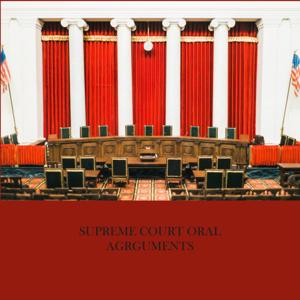

This week, we'll air throwback episodes. Each episode will relate to the current cases.
Today's case is Biden v. Nebraska. I chose this case due to the statutory interpretation parallels with the Trump Tariff Cases. When listening, pay close attention to the justices' ways to decipher text and how the major questions doctrine plays into their thinking.
Here's the story of Biden v. Nebraska:
The Biden Administration tried to cancel $430 billion in student loan debt under the HEROES Act, claiming emergency powers from COVID-19 justified forgiving up to $20,000 per borrower. Six states sued, arguing the Education Secretary exceeded his legal authority to make such massive loan forgiveness without explicit congressional approval. The case reached the Supreme Court after lower courts blocked the program with a nationwide injunction.
The Supreme Court ruled 6-3 that the HEROES Act does not give the Education Secretary authority to cancel $430 billion in student loans, because the power to "waive or modify" existing law cannot be stretched to completely rewrite federal student loan programs.
The Court applied the "major questions doctrine," requiring clear congressional authorization when agencies claim power over issues of vast economic and political significance—here affecting 43 million borrowers and costing nearly half a trillion dollars. The majority distinguished between modest administrative adjustments (which the HEROES Act allows) and fundamental program overhauls (which require explicit congressional approval). The dissenters argued the majority was improperly second-guessing expert agency judgment and that emergency powers should be read more broadly during genuine national crises like the pandemic.
 View all episodes
 By SCOTUS Oral Arguments

4.6
1010 ratings
This week, we'll air throwback episodes. Each episode will relate to the current cases.
Today's case is Biden v. Nebraska. I chose this case due to the statutory interpretation parallels with the Trump Tariff Cases. When listening, pay close attention to the justices' ways to decipher text and how the major questions doctrine plays into their thinking.
Here's the story of Biden v. Nebraska:
The Biden Administration tried to cancel $430 billion in student loan debt under the HEROES Act, claiming emergency powers from COVID-19 justified forgiving up to $20,000 per borrower. Six states sued, arguing the Education Secretary exceeded his legal authority to make such massive loan forgiveness without explicit congressional approval. The case reached the Supreme Court after lower courts blocked the program with a nationwide injunction.
The Supreme Court ruled 6-3 that the HEROES Act does not give the Education Secretary authority to cancel $430 billion in student loans, because the power to "waive or modify" existing law cannot be stretched to completely rewrite federal student loan programs.
The Court applied the "major questions doctrine," requiring clear congressional authorization when agencies claim power over issues of vast economic and political significance—here affecting 43 million borrowers and costing nearly half a trillion dollars. The majority distinguished between modest administrative adjustments (which the HEROES Act allows) and fundamental program overhauls (which require explicit congressional approval). The dissenters argued the majority was improperly second-guessing expert agency judgment and that emergency powers should be read more broadly during genuine national crises like the pandemic.
25,769 Listeners
3,522 Listeners
675 Listeners
1,111 Listeners
6,290 Listeners

112,049 Listeners

7,226 Listeners
2,404 Listeners
5,799 Listeners
3,911 Listeners

15,845 Listeners
395 Listeners
744 Listeners
41 Listeners
790 Listeners