
Sign up to save your podcasts
Or

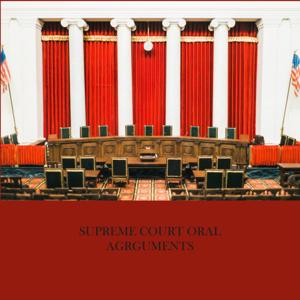

This week, we'll air throwback episodes. Each episode will relate to the current cases.
Today's episode is FEC v. Cruz. I chose this case for the interplay with a case this term, NRSC v. FEC. Listen to the arguments regarding standing, free speech, and political corruption.
Here's the story of FEC v. Cruz.
Senator Ted Cruz loaned $260,000 to his 2018 reelection campaign, but federal law limits candidates to recovering only $250,000 from post-election contributions, leaving Cruz unable to recover the final $10,000. Cruz and his campaign committee sued the Federal Election Commission, arguing this loan repayment restriction in the Bipartisan Campaign Reform Act violates the First Amendment by deterring candidates from self-funding their campaigns. The case centered on whether limiting post-election contributions for loan repayment serves a legitimate anti-corruption purpose or unconstitutionally burdens political speech.
The Supreme Court ruled 6-3 that the federal law limiting candidates to recovering $250,000 in personal loans from post-election contributions violates the First Amendment because the government failed to prove this restriction prevents actual corruption or its appearance.
The Court applied strict scrutiny to this campaign finance restriction, requiring the government to demonstrate the law prevents "quid pro quo" corruption with actual evidence rather than mere speculation—which the FEC could not provide despite most states having no such limits. The majority emphasized that restricting loan repayment creates barriers to entry for new candidates and challengers who rely on personal loans to fund competitive campaigns. The dissenters argued the majority was too demanding in requiring concrete evidence of corruption, warning that weakening campaign finance laws could increase the influence of wealthy donors and undermine electoral integrity.
 View all episodes
 By SCOTUS Oral Arguments

4.6
1010 ratings
This week, we'll air throwback episodes. Each episode will relate to the current cases.
Today's episode is FEC v. Cruz. I chose this case for the interplay with a case this term, NRSC v. FEC. Listen to the arguments regarding standing, free speech, and political corruption.
Here's the story of FEC v. Cruz.
Senator Ted Cruz loaned $260,000 to his 2018 reelection campaign, but federal law limits candidates to recovering only $250,000 from post-election contributions, leaving Cruz unable to recover the final $10,000. Cruz and his campaign committee sued the Federal Election Commission, arguing this loan repayment restriction in the Bipartisan Campaign Reform Act violates the First Amendment by deterring candidates from self-funding their campaigns. The case centered on whether limiting post-election contributions for loan repayment serves a legitimate anti-corruption purpose or unconstitutionally burdens political speech.
The Supreme Court ruled 6-3 that the federal law limiting candidates to recovering $250,000 in personal loans from post-election contributions violates the First Amendment because the government failed to prove this restriction prevents actual corruption or its appearance.
The Court applied strict scrutiny to this campaign finance restriction, requiring the government to demonstrate the law prevents "quid pro quo" corruption with actual evidence rather than mere speculation—which the FEC could not provide despite most states having no such limits. The majority emphasized that restricting loan repayment creates barriers to entry for new candidates and challengers who rely on personal loans to fund competitive campaigns. The dissenters argued the majority was too demanding in requiring concrete evidence of corruption, warning that weakening campaign finance laws could increase the influence of wealthy donors and undermine electoral integrity.
25,769 Listeners
3,522 Listeners

675 Listeners
1,111 Listeners

6,290 Listeners

112,049 Listeners

7,226 Listeners
2,404 Listeners
5,799 Listeners
3,911 Listeners

15,845 Listeners
395 Listeners
744 Listeners
41 Listeners
790 Listeners