
Sign up to save your podcasts
Or

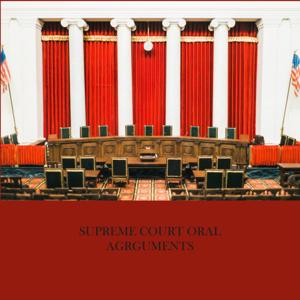

This week, we'll air throwback episodes. Each episode will relate to the current cases.
In this case, Twitter claimed that federal law shielded them from liability for terrorists who used their platform for terrorist acts. I chose this case because it relates to arguments that Cox raised in Cox v. Sony Music Entertainment. In Cox, Cox argued that this case, Twitter v. Taamneh, created heightened proof necessary to establish liability for its' users actions.
Here's the story of Twitter v. Taamneh:
Families of victims killed in a 2017 ISIS terrorist attack at the Reina nightclub in Istanbul sued Twitter, Facebook, and Google under federal anti-terrorism law, claiming these social media companies aided and abetted ISIS by allowing the terrorist group to use their platforms for recruitment, fundraising, and propaganda while profiting from advertisements placed on ISIS content. The plaintiffs argued that the companies' recommendation algorithms actively promoted ISIS content to users likely to engage with it, and that the companies failed to adequately remove ISIS-related accounts and content despite knowing about their presence. The Ninth Circuit allowed the lawsuit to proceed, but the social media companies appealed to the Supreme Court.
The Supreme Court unanimously reversed, ruling that the plaintiffs failed to state a valid claim for aiding and abetting liability because the social media companies' general provision of platforms and passive failure to remove ISIS content did not constitute the "knowing and substantial assistance" required under federal law.
The Court applied the Halberstam framework, which requires defendants to consciously participate in specific wrongful acts—meaning companies must actively help with particular terrorist attacks, not just allow terrorists to use their platforms like any other users. The Court distinguished between active misconduct (which creates liability) and passive failure to act (which generally does not), ruling that simply allowing ISIS to use social media platforms without special treatment amounts to passive inaction rather than culpable assistance. This decision protects communication providers from automatic liability for knowing that bad actors use their services, instead requiring evidence of intentional participation in specific terrorist acts.
 View all episodes
 By SCOTUS Oral Arguments

4.6
1010 ratings
This week, we'll air throwback episodes. Each episode will relate to the current cases.
In this case, Twitter claimed that federal law shielded them from liability for terrorists who used their platform for terrorist acts. I chose this case because it relates to arguments that Cox raised in Cox v. Sony Music Entertainment. In Cox, Cox argued that this case, Twitter v. Taamneh, created heightened proof necessary to establish liability for its' users actions.
Here's the story of Twitter v. Taamneh:
Families of victims killed in a 2017 ISIS terrorist attack at the Reina nightclub in Istanbul sued Twitter, Facebook, and Google under federal anti-terrorism law, claiming these social media companies aided and abetted ISIS by allowing the terrorist group to use their platforms for recruitment, fundraising, and propaganda while profiting from advertisements placed on ISIS content. The plaintiffs argued that the companies' recommendation algorithms actively promoted ISIS content to users likely to engage with it, and that the companies failed to adequately remove ISIS-related accounts and content despite knowing about their presence. The Ninth Circuit allowed the lawsuit to proceed, but the social media companies appealed to the Supreme Court.
The Supreme Court unanimously reversed, ruling that the plaintiffs failed to state a valid claim for aiding and abetting liability because the social media companies' general provision of platforms and passive failure to remove ISIS content did not constitute the "knowing and substantial assistance" required under federal law.
The Court applied the Halberstam framework, which requires defendants to consciously participate in specific wrongful acts—meaning companies must actively help with particular terrorist attacks, not just allow terrorists to use their platforms like any other users. The Court distinguished between active misconduct (which creates liability) and passive failure to act (which generally does not), ruling that simply allowing ISIS to use social media platforms without special treatment amounts to passive inaction rather than culpable assistance. This decision protects communication providers from automatic liability for knowing that bad actors use their services, instead requiring evidence of intentional participation in specific terrorist acts.
25,766 Listeners

3,521 Listeners
674 Listeners
1,111 Listeners
6,291 Listeners

112,037 Listeners
7,228 Listeners

2,403 Listeners
5,794 Listeners
3,910 Listeners

15,840 Listeners
398 Listeners
745 Listeners
41 Listeners
789 Listeners