
Sign up to save your podcasts
Or

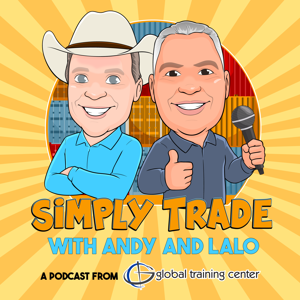

Host: Lalo Solorzano
CBP is often viewed as the agency that audits, enforces, and creates stress for importers—but this episode reframes Customs and Border Protection as a practical compliance resource. Lalo Solorzano is joined by Global Training Center instructor and subject matter expert Denise to explore how importers can use CBP tools to reduce risk, improve consistency, and make better business decisions before goods ever reach the border.
The discussion highlights three key CBP resources: binding rulings, the CROSS ruling database, and Informed Compliance Publications. Denise explains how these tools help companies classify products correctly, determine origin, understand marking requirements, and demonstrate reasonable care. For small and mid-sized importers especially, these free public resources can provide much-needed guidance when legal or consulting support may not be readily available.
The episode also connects compliance work to everyday operations, showing how clear customs positions can support brokers, logistics teams, sourcing decisions, product design, and internal procedures.
This episode focuses on how importers can use CBP resources as proactive tools rather than viewing CBP only as an enforcement agency. Denise explains that binding rulings provide formal written decisions from CBP on issues such as classification, country of origin, and marking requirements. She also discusses the value of the CROSS ruling database, which allows companies to review how CBP has handled similar products or issues in the past.
The conversation also covers Informed Compliance Publications, which serve as foundational guidance on topics like classification, valuation, recordkeeping, textiles, footwear, and reasonable care. While some publications may appear dated, Denise emphasizes that they remain useful because they explain CBP’s core compliance expectations.
A major theme throughout the episode is reasonable care. By using CBP guidance, documenting decisions, and incorporating rulings into internal systems and SOPs, companies can build a stronger, more defensible compliance program.
• CBP provides free, public resources designed to help importers comply with the law.
• Global Training Center
Host:
Guest(s):
Producer:
Stay connected with the Simply Trade community and never miss an episode that helps you trade smarter.
🎧 Listen on:
• Apple Podcasts
💬 Connect with us:
• Simply Trade
Don’t forget to rate, review, and share with your fellow trade geeks!
Want to be on the show or have topic suggestions?
 View all episodes
 By Global Training Center

4.6
2222 ratings
Host: Lalo Solorzano
CBP is often viewed as the agency that audits, enforces, and creates stress for importers—but this episode reframes Customs and Border Protection as a practical compliance resource. Lalo Solorzano is joined by Global Training Center instructor and subject matter expert Denise to explore how importers can use CBP tools to reduce risk, improve consistency, and make better business decisions before goods ever reach the border.
The discussion highlights three key CBP resources: binding rulings, the CROSS ruling database, and Informed Compliance Publications. Denise explains how these tools help companies classify products correctly, determine origin, understand marking requirements, and demonstrate reasonable care. For small and mid-sized importers especially, these free public resources can provide much-needed guidance when legal or consulting support may not be readily available.
The episode also connects compliance work to everyday operations, showing how clear customs positions can support brokers, logistics teams, sourcing decisions, product design, and internal procedures.
This episode focuses on how importers can use CBP resources as proactive tools rather than viewing CBP only as an enforcement agency. Denise explains that binding rulings provide formal written decisions from CBP on issues such as classification, country of origin, and marking requirements. She also discusses the value of the CROSS ruling database, which allows companies to review how CBP has handled similar products or issues in the past.
The conversation also covers Informed Compliance Publications, which serve as foundational guidance on topics like classification, valuation, recordkeeping, textiles, footwear, and reasonable care. While some publications may appear dated, Denise emphasizes that they remain useful because they explain CBP’s core compliance expectations.
A major theme throughout the episode is reasonable care. By using CBP guidance, documenting decisions, and incorporating rulings into internal systems and SOPs, companies can build a stronger, more defensible compliance program.
• CBP provides free, public resources designed to help importers comply with the law.
• Global Training Center
Host:
Guest(s):
Producer:
Stay connected with the Simply Trade community and never miss an episode that helps you trade smarter.
🎧 Listen on:
• Apple Podcasts
💬 Connect with us:
• Simply Trade
Don’t forget to rate, review, and share with your fellow trade geeks!
Want to be on the show or have topic suggestions?

43,560 Listeners

3,221 Listeners

4,355 Listeners

13,555 Listeners
4 Listeners

112,187 Listeners

56,559 Listeners
151 Listeners

27,817 Listeners

32 Listeners

6,404 Listeners

16,172 Listeners

154 Listeners

10,758 Listeners

16,380 Listeners