
Sign up to save your podcasts
Or

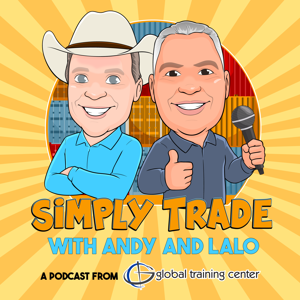

Host: Lalo Solorzano and Trudy Wilson
In this episode of Simply Trade, Lalo Solorzano and Trudy Wilson continue the Trudy’s Trade Tips series with another practical discussion on USMCA. This time, the focus is on documentation, certification requirements, and why tariff classification is the foundation for making accurate free trade agreement claims.
Trudy explains one of the biggest changes from NAFTA to USMCA: the old formal certificate of origin is gone. Instead, companies must ensure their USMCA certification contains the required minimum data elements, regardless of the format used. That flexibility can be helpful, but it also creates room for confusion when documents are unclear or incomplete.
The conversation also highlights the importance of identifying the certifier, exporter, producer, and importer, along with product descriptions, classifications, origin criteria, blanket periods, and certification statements. Trudy and Lalo then explain why tariff classification must come before USMCA qualification. If a company does not understand the classification of the finished product and its components, it cannot properly apply USMCA rules of origin.
This episode matters because USMCA savings are valuable, but only when claims are documented, supported, and correctly qualified.
This episode focuses on the documentation requirements for USMCA and the importance of tariff classification in determining whether goods qualify under the agreement.
Trudy explains that USMCA no longer requires the old NAFTA certificate format. Instead, companies must provide the required minimum data elements in whatever format they choose. This includes identifying the certifier, exporter, producer, and importer, along with the product description, tariff classification, origin criterion, blanket period, authorized signature, date, and certification statement.
A key point is that documentation must be clear. If a shipment includes both USMCA-qualifying goods and non-qualifying goods, the paperwork must clearly identify which items qualify. Mixing unclear origin declarations with USMCA claims can create confusion and risk.
The discussion then shifts to tariff classification. Lalo and Trudy emphasize that “all roads lead to the HTS.” USMCA qualification depends on understanding the classification of the finished product and the classifications of the components, parts, or ingredients used to make it. Without that foundation, companies cannot properly apply product-specific rules or determine whether a tariff shift has occurred.
• USMCA does not require the old NAFTA certificate form, but it does require specific minimum data elements.
• Global Training Center
Host:
Guest(s):
Producer:
Stay connected with the Simply Trade community and never miss an episode that helps you trade smarter.
🎧 Listen on:
• Apple Podcasts
💬 Connect with us:
• Simply Trade
Don’t forget to rate, review, and share with your fellow trade geeks!
Want to be on the show or have topic suggestions?
 View all episodes
 By Global Training Center

4.6
2222 ratings
Host: Lalo Solorzano and Trudy Wilson
In this episode of Simply Trade, Lalo Solorzano and Trudy Wilson continue the Trudy’s Trade Tips series with another practical discussion on USMCA. This time, the focus is on documentation, certification requirements, and why tariff classification is the foundation for making accurate free trade agreement claims.
Trudy explains one of the biggest changes from NAFTA to USMCA: the old formal certificate of origin is gone. Instead, companies must ensure their USMCA certification contains the required minimum data elements, regardless of the format used. That flexibility can be helpful, but it also creates room for confusion when documents are unclear or incomplete.
The conversation also highlights the importance of identifying the certifier, exporter, producer, and importer, along with product descriptions, classifications, origin criteria, blanket periods, and certification statements. Trudy and Lalo then explain why tariff classification must come before USMCA qualification. If a company does not understand the classification of the finished product and its components, it cannot properly apply USMCA rules of origin.
This episode matters because USMCA savings are valuable, but only when claims are documented, supported, and correctly qualified.
This episode focuses on the documentation requirements for USMCA and the importance of tariff classification in determining whether goods qualify under the agreement.
Trudy explains that USMCA no longer requires the old NAFTA certificate format. Instead, companies must provide the required minimum data elements in whatever format they choose. This includes identifying the certifier, exporter, producer, and importer, along with the product description, tariff classification, origin criterion, blanket period, authorized signature, date, and certification statement.
A key point is that documentation must be clear. If a shipment includes both USMCA-qualifying goods and non-qualifying goods, the paperwork must clearly identify which items qualify. Mixing unclear origin declarations with USMCA claims can create confusion and risk.
The discussion then shifts to tariff classification. Lalo and Trudy emphasize that “all roads lead to the HTS.” USMCA qualification depends on understanding the classification of the finished product and the classifications of the components, parts, or ingredients used to make it. Without that foundation, companies cannot properly apply product-specific rules or determine whether a tariff shift has occurred.
• USMCA does not require the old NAFTA certificate form, but it does require specific minimum data elements.
• Global Training Center
Host:
Guest(s):
Producer:
Stay connected with the Simply Trade community and never miss an episode that helps you trade smarter.
🎧 Listen on:
• Apple Podcasts
💬 Connect with us:
• Simply Trade
Don’t forget to rate, review, and share with your fellow trade geeks!
Want to be on the show or have topic suggestions?

43,560 Listeners

3,221 Listeners

4,355 Listeners

13,555 Listeners
4 Listeners

112,187 Listeners

56,559 Listeners
151 Listeners

27,817 Listeners
32 Listeners

6,404 Listeners

16,172 Listeners

154 Listeners

10,758 Listeners

16,380 Listeners