
Sign up to save your podcasts
Or

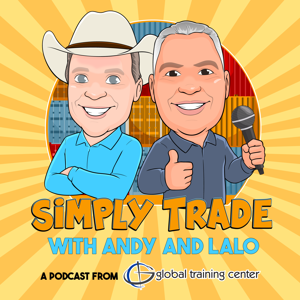

Host: Lalo Solorzano
Trade compliance does not happen in a vacuum. In this episode, Lalo Solorzano wraps up the four-part series with Denise by exploring why cross-functional training and stronger internal partnerships are essential for smoother global trade operations. From classification and customs audits to cost forecasting and border delays, the conversation highlights how trade compliance depends on collaboration across departments that may not always realize they play a role in trade.
Denise explains why teams like engineering, finance, procurement, sourcing, logistics, and supply chain all bring critical knowledge to the table. When those teams operate in silos, companies face rushed decisions, unclear ownership, duplicated work, and avoidable compliance risk. But when they align around shared goals, define roles early, communicate clearly, and close the loop after decisions are made, trade becomes less of a roadblock and more of a strategic partner.
This episode offers practical guidance for building trust, reducing last-minute fire drills, and turning one-off requests into long-term business relationships.
This episode focuses on the importance of cross-functional partnerships in trade compliance. Lalo and Denise discuss how departments outside of trade compliance—such as engineering, finance, procurement, logistics, sourcing, and supply chain—directly influence trade outcomes, even when they do not see themselves as part of the trade process.
Denise breaks the process into three practical phases: before the work begins, while the work is underway, and after decisions are made. She explains how teams can align on shared goals, clarify expectations, make collaboration easier, and recognize contributions to strengthen future partnerships.
The episode also uses tariff classification during a product launch as a practical example of what can go wrong when teams do not communicate early, and what changes when companies create a structured, proactive partnership around trade decisions.
• Trade compliance is most effective when departments work as partners, not isolated teams.
• Global Training Center
Host:
Guest(s):
Producer:
Stay connected with the Simply Trade community and never miss an episode that helps you trade smarter.
🎧 Listen on:
• Apple Podcasts
💬 Connect with us:
• Simply Trade
Don’t forget to rate, review, and share with your fellow trade geeks!
Want to be on the show or have topic suggestions?
 View all episodes
 By Global Training Center

4.6
2222 ratings
Host: Lalo Solorzano
Trade compliance does not happen in a vacuum. In this episode, Lalo Solorzano wraps up the four-part series with Denise by exploring why cross-functional training and stronger internal partnerships are essential for smoother global trade operations. From classification and customs audits to cost forecasting and border delays, the conversation highlights how trade compliance depends on collaboration across departments that may not always realize they play a role in trade.
Denise explains why teams like engineering, finance, procurement, sourcing, logistics, and supply chain all bring critical knowledge to the table. When those teams operate in silos, companies face rushed decisions, unclear ownership, duplicated work, and avoidable compliance risk. But when they align around shared goals, define roles early, communicate clearly, and close the loop after decisions are made, trade becomes less of a roadblock and more of a strategic partner.
This episode offers practical guidance for building trust, reducing last-minute fire drills, and turning one-off requests into long-term business relationships.
This episode focuses on the importance of cross-functional partnerships in trade compliance. Lalo and Denise discuss how departments outside of trade compliance—such as engineering, finance, procurement, logistics, sourcing, and supply chain—directly influence trade outcomes, even when they do not see themselves as part of the trade process.
Denise breaks the process into three practical phases: before the work begins, while the work is underway, and after decisions are made. She explains how teams can align on shared goals, clarify expectations, make collaboration easier, and recognize contributions to strengthen future partnerships.
The episode also uses tariff classification during a product launch as a practical example of what can go wrong when teams do not communicate early, and what changes when companies create a structured, proactive partnership around trade decisions.
• Trade compliance is most effective when departments work as partners, not isolated teams.
• Global Training Center
Host:
Guest(s):
Producer:
Stay connected with the Simply Trade community and never miss an episode that helps you trade smarter.
🎧 Listen on:
• Apple Podcasts
💬 Connect with us:
• Simply Trade
Don’t forget to rate, review, and share with your fellow trade geeks!
Want to be on the show or have topic suggestions?

43,528 Listeners

3,217 Listeners

4,345 Listeners
13,557 Listeners
4 Listeners

111,948 Listeners

56,508 Listeners
152 Listeners

27,775 Listeners
32 Listeners

6,381 Listeners

15,950 Listeners

154 Listeners
10,745 Listeners

16,332 Listeners