
Sign up to save your podcasts
Or

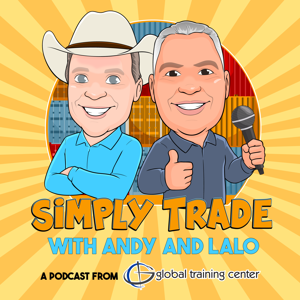

Host: Lalo Solorzano
Trade compliance manuals and SOPs may not be the flashiest part of an import/export program, but they are among the most important. In this episode of Simply Trade Tips, Lalo Solorzano sits down with Global Training Center instructor Denise to discuss why written procedures are essential for keeping trade compliance consistent, repeatable, and scalable.
Denise explains that compliance does not live only in the compliance department. It touches purchasing, shipping, customs entries, finance, recordkeeping, screening, escalation, training, and more. When those processes are not documented, companies rely too heavily on memory, tribal knowledge, and “the way we’ve always done it.” That creates risk when employees leave, roles change, products expand, or regulations shift.
This episode breaks down the difference between a compliance manual and an SOP, what each should include, and where companies should start if they do not already have a formal program in place. The key message: SOPs are not just paperwork. They are the operating system that helps a trade compliance program run with control, clarity, and confidence.
This episode focuses on how companies can build stronger trade compliance programs by documenting their processes through compliance manuals and standard operating procedures.
Denise explains that a compliance manual is the big-picture document. It outlines the company’s overall approach to trade compliance, identifies responsibilities, explains key risks, and describes how import and export issues are handled. SOPs, on the other hand, are the step-by-step instructions for specific tasks such as product classification, restricted party screening, export reviews, import entry audits, recordkeeping, escalation, and corrective actions.
The conversation emphasizes that SOPs should be practical, clear, and specific enough for a new employee or backup team member to follow without guessing. The episode also highlights why the people doing the day-to-day work should be involved in creating these procedures, since real-world input makes the documentation usable rather than theoretical.
• Trade compliance touches many departments, not just the compliance team.
• Global Training Center
Host:
Guest(s):
Producer:
Stay connected with the Simply Trade community and never miss an episode that helps you trade smarter.
🎧 Listen on:
• Apple Podcasts
💬 Connect with us:
• Simply Trade
Don’t forget to rate, review, and share with your fellow trade geeks!
Want to be on the show or have topic suggestions?
 View all episodes
 By Global Training Center

4.6
2222 ratings
Host: Lalo Solorzano
Trade compliance manuals and SOPs may not be the flashiest part of an import/export program, but they are among the most important. In this episode of Simply Trade Tips, Lalo Solorzano sits down with Global Training Center instructor Denise to discuss why written procedures are essential for keeping trade compliance consistent, repeatable, and scalable.
Denise explains that compliance does not live only in the compliance department. It touches purchasing, shipping, customs entries, finance, recordkeeping, screening, escalation, training, and more. When those processes are not documented, companies rely too heavily on memory, tribal knowledge, and “the way we’ve always done it.” That creates risk when employees leave, roles change, products expand, or regulations shift.
This episode breaks down the difference between a compliance manual and an SOP, what each should include, and where companies should start if they do not already have a formal program in place. The key message: SOPs are not just paperwork. They are the operating system that helps a trade compliance program run with control, clarity, and confidence.
This episode focuses on how companies can build stronger trade compliance programs by documenting their processes through compliance manuals and standard operating procedures.
Denise explains that a compliance manual is the big-picture document. It outlines the company’s overall approach to trade compliance, identifies responsibilities, explains key risks, and describes how import and export issues are handled. SOPs, on the other hand, are the step-by-step instructions for specific tasks such as product classification, restricted party screening, export reviews, import entry audits, recordkeeping, escalation, and corrective actions.
The conversation emphasizes that SOPs should be practical, clear, and specific enough for a new employee or backup team member to follow without guessing. The episode also highlights why the people doing the day-to-day work should be involved in creating these procedures, since real-world input makes the documentation usable rather than theoretical.
• Trade compliance touches many departments, not just the compliance team.
• Global Training Center
Host:
Guest(s):
Producer:
Stay connected with the Simply Trade community and never miss an episode that helps you trade smarter.
🎧 Listen on:
• Apple Podcasts
💬 Connect with us:
• Simply Trade
Don’t forget to rate, review, and share with your fellow trade geeks!
Want to be on the show or have topic suggestions?

43,560 Listeners
3,221 Listeners

4,355 Listeners
13,555 Listeners
4 Listeners

112,187 Listeners

56,559 Listeners
151 Listeners

27,817 Listeners
32 Listeners

6,404 Listeners

16,172 Listeners

154 Listeners
10,758 Listeners
16,380 Listeners