
Sign up to save your podcasts
Or

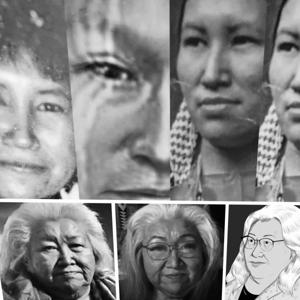


The conversation delves into the impact of Nathan Chasing Horse's actions on the community, the response of the leadership, the dynamics of gender apartheid, the influence of colonialism and Indian residential schools, the prevalence of lateral violence, the need for healing, and the role of therapy and mental health support. It also explores the financial exploitation and community support, as well as the themes of shame, healing, and personal growth.
Takeaways
Chapters
The conversation covers a range of topics including community engagement, advocacy for victims of violence, healing and trauma, the impact of prayers and lateral violence, matriarchal society, fragility of patriarchy, and rewriting history. It also delves into critical thinking, systemic racism, and the challenges faced by Indigenous women. The podcast host shares personal experiences and insights related to these themes, providing a comprehensive exploration of the issues at hand. The conversation delves into the impact of addiction on Indigenous communities, highlighting the devastating effects of alcohol and drug abuse. It also explores the resilience and contributions of Indigenous young people, emphasizing the hope and potential for positive change within Indigenous communities. Additionally, the discussion addresses the reality of loneliness and the need for support for older Indigenous women, shedding light on the unique challenges they face.
Takeaways
Chapters
Marina Crane shares the importance of understanding Indigenous history, the challenges faced by Indigenous people, and the impact of systemic racism. She discusses the contributions of Native Americans, the loss of identity, and the ongoing struggles of Indigenous women. Marina also highlights the historical trauma, gender apartheid, and the need for awareness and education.
Takeaways
Chapters
the central nervous system is is attached or associated with with it with matriarchy the difference is that with patriarchy the female is owned or subjected, or is obliged to obey and serve the husband or the partner, the reality of it is when. that void. There's a void where you don't have anybody to to tell you what to do. Or like you don't have a somebody saying well, wash my clothes, do my, do the dishes or like giving you direction I just the whole need to have space, somebody to occupy that space. Even if you adopt a dog or a cat or indoor pet animal, the female, energy that is associated with the female nervous system is so profound I in that sense it's so devastating for older women who are involved in patriarchy that that when you become a senior or or past like in your 50s or 60s that it's so difficult it's so difficult to to uh, like sort of deconstruct your central nervous system so, so that you're not triggered. You're not triggered with moments of intimacy in like where, where's the intimacy? I'm going to die alone. Just the whole like something's happening to me. I'm going insane those, those triggers females don't really get until like they're older because you know it takes at least five years when a woman has, has, gone through childbirth. That all her home, hormones and just the way the brain her brain is restructured to take care of a child. In that process she's she's lost her identity and after five years she regains it back because you know, the the matriarchy or the taking care of children is so instinctive, so profound that that same network of central nervous system really plays into intimacy and trust and healthy human sexuality, again, too, if that's, if you've been up for me, it's like a trauma bond. But in a patriarchal sense, like it's a trauma bond because you're, you're, you're not acting independently like a woman. You're you're, you're, you're acting in response to the needs of a man and that's where some of the problems, I think with Indigenous women come when it comes to lateral violence and in terms of supporting victims of violence I think there's there's a problem cross culturally when it when it's really not patriarchy you know like they're, they're trying to understand patriarchy in a sort of twisted way because they were raised matriarch. But the identity of healthy, female gender and our capacity sometimes we've, we've managed to not totally be open minded about it, so I'm hoping this podcast does shine a little bit of uh, insight into this process, I may have been a little vague in some areas but I'm hoping I had there is some clarity and what I have to say because there is a there is a generational difference III can see that younger women do understand, quite a quite a bit about trauma, bonds and justice. The the terms in psychology or social work however, I think with younger women, if you haven't been raised or born into your community and if your community is very patriarchal oriented, then there's a problem of deconstructing into matriarchy uh, it's such a provocative and sort of convoluted way of saying, this is my interpretation of why human trafficking or sexual violence or family violence is so distorted. And how you can pull space for victims of violence when you yourself are so triggered that you just can't even cope, so you project all that hate, About Who you believe you are onto other people. umm. I find that. So in terms of my telling the story of Nathan chasing ours I think a lot of times people don't realize that they're projecting that massage onto me.
The conversation provides insights into the unique perspective of an Indigenous elder, highlighting the challenges and experiences faced within the community. It also delves into the impact of systemic racism and white privilege, shedding light on the unconscious influence of these factors in various situations. The conversation delves into the impact of systemic racism and white privilege, the dynamics of patriarchy and matriarchy, and the importance of supporting victims and promoting healing.
Takeaways
Chapters
The conversation delves into the aftermath of trauma, the impact on the community and survivors, and the prevalence of lateral violence and the support needed for survivors. It explores the complexities of trauma, the challenges faced by survivors, and the importance of community support. The conversation delves into the impact of lateral violence within Indigenous communities, the challenges of trust and cultural disconnection, and the complexity of human trafficking. It also explores the grieving process, the need for emotional boundaries, and the efforts of truth and reconciliation. The chapters cover a range of topics, from the impact of trauma and support systems to the reflection on spiritual practice and the recognition of red flags within the community.
Takeaways
Chapters
The conversation delves into the impact of lateral violence and the challenges of advocating for truth and reconciliation. Marina shares personal experiences and the complexities of navigating intergenerational trauma and healing within her community. The conversation delves into the impact of trauma and violence on individuals and communities, as well as the psychology of human sexuality. It also explores the challenges of closed-mindedness, the dynamics of lateral violence, and the importance of supporting victims and survivors. Additionally, it addresses the historical trauma and resilience of Indigenous communities, the issue of child trafficking, and the significance of cultural identity and advocacy. The conversation emphasizes the need for open-mindedness, the establishment of boundaries, and the power of sharing stories and support.
Takeaways
Chapters
The conversation delves into the impact of Nathan Chasing Horse's actions, the healing and support of survivors, and the concept of clouded judgment and lateral violence within the community. The conversation delves into the themes of lateral violence, matriarchy vs. patriarchy, healthy human sexuality, trauma and healing, cultural appropriation and identity, the strength of Sioux women, and the impact of ancestry. Each chapter explores these themes in depth, providing valuable insights and perspectives.
Takeaways
Chapters
The conversation covers a wide range of topics related to healthy human sexuality, relationships, trauma, and advocacy. It delves into the impact of trauma on sexual behavior, the consequences of promiscuity, and the manipulation and abuse of power in spiritual ceremonies. The discussion also highlights the importance of advocacy and healing for individuals affected by trauma and abuse. The conversation delves into the impact of trauma on children, the prevalence of human trafficking, the failure of law enforcement to address abuse, the struggle for justice and healing, the confusion surrounding matriarchy and cultural identity, and the enduring impact of colonialism on Indigenous communities.
Takeaways
Chapters
The conversation covers the themes of forgiveness, trauma, and human trafficking. Marina Crane shares personal experiences and insights related to these topics, highlighting the importance of forgiveness, the impact of trauma, and the prevalence of human trafficking. She also discusses the challenges of dealing with lateral violence and the need for community support and awareness. The conversation delves into the impact of lateral violence, the importance of confronting perpetrators, and the need for boundaries and self-care. It also explores the dynamics of intergenerational trauma and the role of witnesses in truth and reconciliation.
Takeaways
Chapters
From the publisher's feed