
Sign up to save your podcasts
Or

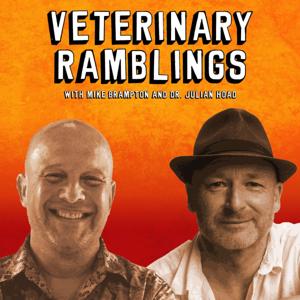


Join us as we delve into the world of cancer research with the incredible Doug Thamm. We kick things off by exploring Doug's groundbreaking study on utilizing salmonella to target cancer cells and discuss the evolution of this innovative approach.
Moving through the episode, we get an inside look at the cancer service at Colorado State University, where Doug contributes to the 'One Cure' mission, revolutionizing cancer treatment in veterinary medicine.
Ever wondered what a day in the life of a veterinary researcher looks like? We've got you covered! Doug gives us insights into his role at Colorado State University, including whether the iconic lab coat is still a part of his daily attire.
In a touching segment, Doug shares his personal connection to cancer and how it led him to a fulfilling career in veterinary oncology. But it's not all about work! Discover Doug's life outside the lab, from his passion for speed skating to his lifelong love of making music.
As an educator, Doug reflects on his teaching experiences and leaves us with a 60-Second CPD titled "YOU can successfully treat most mast cell tumors!" To cap it off, Doug leaves us with a reflection question that will have you pondering long after the episode ends.
Don't miss this captivating conversation that seamlessly weaves science, personal stories, and thought-provoking insights.
Join us on this episode of "Veterinary Ramblings" as we welcome Periwinkle Kaur, the Director of ESU Medical Solutions. With a unique blend of medical expertise and business acumen, Periwinkle is on a mission to transform both the veterinary and private healthcare industries.
We kick off the show, true to our "veterinary ramblings" style, by delving into the whimsical topic of Periwinkle's favourite type of bread. But don't be fooled, our conversation quickly takes a serious turn as we explore the exciting realm of AI and chatbots like ChatGPT, discussing their potential applications in veterinary healthcare.
As we navigate through our conversation, we learn about ESU Medical Solutions and uncover the surprising similarities between human and veterinary medical equipment. Periwinkle's unique background in dentistry provides a valuable perspective on medical innovation that spans across disciplines.
Digging deeper, we touch on the deeply personal subject of religion and Periwinkle's thoughts on spirituality, offering a glimpse into the multifaceted nature of our remarkable guest.
In a global context, we explore the differences between the UK's veterinary industry and other parts of the world, along with changing attitudes towards animals and pets.
Towards the end of the episode, we present our "60-Second CPD" segment, where we discover the concept of unlearning. This leads to an in-depth discussion on how unlearning can be applied both professionally and personally.
We conclude our insightful conversation with a thought-provoking reflection question that will leave you pondering long after the episode ends.
Support the showIn this episode of Veterinary Ramblings, we are thrilled to welcome the distinguished Sarah Heath from Behavioural Referrals Veterinary Practice.
As Julian recalls his first encounter with Sarah during her tenure as a lecturer at the RVC, they embark on a journey through Sarah's career and evolving attitudes towards companion animals.
Sarah's passion for animal behavior and veterinary medicine unfolds, from farm holidays as a child to a pivotal lecture that changed the course of her life as a student. The importance of a multidisciplinary approach to veterinary medicine takes centre stage, along with safeguarding considerations for behavioural referrals.
Aspiring to help listeners make informed choices, Sarah provides valuable advice on finding reputable animal behaviourists and navigating the legal aspects when referring clients to non-veterinary experts. They tackle the pressing issue of online content that promotes animal mistreatment for humour, discussing ways to counteract such trends.
Sarah sheds light on the mission and focus of Behavioural Referrals Veterinary Practice and emphasizes the one-health approach that considers the interconnectedness of human and animal health. The conversation dives into the complexities of the Dangerous Dogs Act, highlighting its impact irrespective of dog breed.
For feline enthusiasts, Sarah unravels the intricacies of feline behaviour and emotional tendencies, sharing her insightful 'W' questions to decode the reasons behind certain animal behaviours.
Don't miss Sarah's enlightening 60-second CPD segment, where she explores "What is comprehensive veterinary care?" This sparks a discussion on the various ways animals express joy, adding depth to our understanding of animal welfare.
To conclude this captivating episode, Sarah opens up about her annual participation in the Race For Life and her profound love for Africa, offering opportunities for listeners to engage in meaningful conservation work.
This week we're delighted to be joined by Dr Andy Moores, an internationally-recognised expert in small animal orthopaedics!
Andy has had an interesting journey from almost not getting into veterinary school to being a double-boarded specialist. We start this week's episode by discussing Andy's time at Bristol University and the importance of finding your passion to be able to succeed and find joy in learning. His clear passion for veterinary orthopaedics really shines through as we discuss the intricacies of elbow replacements in dogs.
Andy shares his experience of opening up a new, independent practice - The Moores Orthopaedic Clinic! This leads us to discuss the difference between corporate and independent veterinary practices and how this may be affecting new veterinary graduates.
We chat about Andy's involvement in the British Veterinary Orthopaedic Association (BVOA), the different events they run and the need for more women in the orthopaedic discipline. We discuss how the industry has changed over the years and how this has impacted work-life balance, residencies and personal development.
Speaking of personal development, Andy delivers a fantastic 60-second CPD about diagnosing 'Early Cruciate Disease' and he explains some of the medical terminology we've used in layman's terms. We finish off this week's episode by discussing Andy's experience of hosting a Ukrainian refugee family in his home and Julian presents this week's CPD Certificate.
We're delighted to be joined by award-winning writer and former BSAVA President Professor Ian Ramsey.
Join us as we delve into the pivotal moments that shaped Ian's career and explore the evolving landscape of veterinary education and practice.
The episode commences with Ian recounting his early passion for veterinary science, sparked by a biology homework assignment. We learn how this childhood fascination paved the way for his decision to pursue a career in veterinary medicine and ultimately shape the next generation of aspiring veterinarians.
He divulges how a transformative case report led him on an unexpected path towards academia, where he discovered his true calling as a professor. We also gain insights into his award-winning paper on TSH, a significant milestone in his academic journey.
Ian shares his thoughts on why everyone tends to experience bouts of boredom with their job, the profound impact of the pandemic on career perceptions and how it has created ripples of change for the upcoming generation of veterinarians.
Our conversation then delves into the realm of education, where Ian sheds light on how universities stay ahead of the curve in teaching methods to ensure students receive the best education possible. We discuss the merits of different formats such as live and pre-recorded sessions, considering their effects on attention spans and overall learning outcomes.
In our 60-Second CPD, we delve into the intriguing topic of fever, exploring the distinctions between hyperthermia and pyrexia. Ian raises thought-provoking questions about whether veterinarians should continue to treat fever in patients as we traditionally do.
Lastly, we learn how Ian is fighting the battle against antimicrobial resistance and explore the significance of following protocols and guidelines, and the potential impact on patient care and outcomes.
Support the showThis week we are joined by Dr Alick Simmons, a distinguished expert with a captivating career in animal welfare.
Dr. Simmons takes us on a journey through his fascinating experiences and the motivation behind writing his groundbreaking book, 'Treated Like Animals: Improving The Lives Of Animals We Own, Eat And Use.'
Together, we delve into the complex concept of animal sentience and explore the intriguing ways in which various species are perceived and treated differently by society.
One of the central topics we explore is the profound impact of dietary choices on animal welfare and the planet. Dr. Simmons shares his personal approach to making ethical, informed decisions about food while acknowledging individual circumstances.
As attitudes towards animal welfare and exploitation continue to evolve, we discuss the significance of allowing animals to exhibit their natural behaviours and the strides that have been made in this direction.
Warning: This episode contains a candid conversation on animal slaughter and the contentious ventilation shutdown method. Dr. Simmons courageously addresses the complexities and decisions involved in confronting this sensitive issue.
The conversation naturally steers toward the management of diseases, including the controversial topic of badger culling to combat TB and its implications for wildlife management in the UK.
Dr. Simmons leaves us with a captivating 60-second CPD on wildlife management in the UK, prompting us to reflect on the disparities in how we treat animals and how we can extend our support to animals beyond our immediate care.
This week we're delighted to be joined by Jacky Eyes, a retired Doctor of philosophy, human medicine nurse and current long-standing volunteer for Cats Protection.
In this episode, we dive deep into Jacky's career, which began when she fearlessly embarked on her nurse training at the young age of 17. She takes us on a captivating journey through the various positions she held and reveals how she gracefully transitioned her career into leadership development.
Jacky opens up about her observations on how the NHS has evolved over the years and the profound impact she believes it has had on shaping people's perceptions regarding the cost of veterinary pet care.
Retirement hasn't slowed Jacky down one bit! As a volunteer branch coordinator for an impressive 15 years at Cats Protection, she has dedicated her time and energy to making a real difference in the lives of countless feline friends. Tune in as Jacky explains the aims of this incredible charity, the primary reasons why cats are rehomed, and how she found herself in such a pivotal role.
But that's not all—Jacky's responsibilities extend beyond branch coordination. She also oversees the adoption process within her branch and shares fascinating insights into how it has evolved since the pandemic hit. Want to know more about why people choose to foster cats for charity? Well, Jacky spills the beans and even offers valuable information on how you can get involved if it piques your interest.
Prepare yourself for a shocking tale of the havoc unneutered cats can wreak within a community. Jacky recounts an extreme example of what happens when things go wrong and how Cats Protection steps in to deal with such cases. Let's just say, it involves over 50 cats creating a rather messy situation on one residential street!
You won't want to miss Jacky's fantastic 60-second CPD entitled 'If there's only one thing you know about change, make sure it's this.' Get ready to be inspired as she imparts valuable wisdom on understanding change and the intricate process it entails. And as a bonus, she leaves us with not one, but two thought-provoking reflective questions to ponder upon.
Support the showIn this captivating episode, our hosts Mike and Julian delve into the enchanting world of mushrooms alongside their knowledgeable guests, Dr Rob Silver and Joni Kamlet. Join them as they unravel the remarkable symbiotic relationship mushrooms share with all living things and the potential these fungi hold for our health.
Meet Rob, a veterinarian turned educator, who embarked on a transformative journey that led him to embrace the realms of mushrooms, cannabis, and integrated medicine. Alongside him is Joni, whose personal health struggles and spiritual awakening guided her towards a new path as an integrated vet tech. Together, they share their unique backstories and shed light on the growing allure of alternative medicine.
In a thought-provoking discussion, our guests emphasize the importance of blending traditional treatment with alternative medicine, highlighting the holistic benefits it offers to clients. They emphasize that alternative medicine boasts a robust evidence base, providing a well-rounded option for those seeking comprehensive care.
Rob and Joni offer intriguing insights into how veterinarians develop an interest in alternative medicine and the profound impact it can have on their perception of their profession. Rob delves into the intricacies of his role, revealing the stringent quality control measures required for the creation of the products he helps develop. He also shares intriguing details about a recent study he conducted on mushroom cultivation, providing fascinating insights into this burgeoning field.
They then turn their attention to the controversial topic of cannabis for pets, with Rob, the author of a definitive book on the subject, dispelling common misunderstandings surrounding this unique form of medicine and exploring the potential it holds for transformative therapeutic applications.
In a rapid-fire 60-second CPD session, Rob shares his passion for cooking and how it seamlessly blends with product development, offering a glimpse into his multifaceted expertise.
Wrapping up the episode, Rob and Joni provide invaluable guidance on where veterinarians and pet owners can delve deeper into the evidence base behind mushroom medicine. They invite listeners to head over to realmushrooms.com, where comprehensive resources and information await.
Support the showIn this special episode of Veterinary Ramblings, we delve into a pressing issue currently affecting the veterinary industry. Our guest, Louise Buckley, takes centre stage as she shares her unique perspective on the treatment of dogs and their owners in relation to Brucella Canis.
Louise, a former registered veterinary nurse, made the bold decision to remove herself from the Register of Veterinary Nurses held by the RCVS as a protest against the profession's approach to this matter. Driven by her unwavering commitment to animal welfare, Louise believes that she can make a more significant impact by voicing her concerns freely outside the boundaries of the professional code of conduct.
During our enlightening conversation, Louise reveals her personal journey and the factors that led her to take this unprecedented step. Together, we explore the complex nuances surrounding Brucella Canis and the challenges faced by affected dogs and their owners. It's an opportunity to gain a deeper understanding of this critical issue from someone who has been directly involved.
We would like to emphasize the importance of compassion and open dialogue within the veterinary community. We acknowledge the divisive nature of this topic and encourage listeners to engage in constructive conversations rather than engage in heated arguments. While Louise's views are her own and may not necessarily reflect those of the podcast, we firmly believe in providing a fair and impartial platform for individuals to share their stories.
Join us as we shed light on the Brucella Canis crisis and the passionate voices advocating for change. Together, let's foster a community that prioritizes the well-being of animals and works towards a better future in veterinary care.
To follow Louise's story, head over to 'Brucella Canis Former RVN resigned under protest' on Facebook.
Please note: Louise has brought to our attention that a further explanation of positive predictive value (PPV) is required to clarify what this means for the dogs involved as many people will not realise what a PPV is or what it means for interpreting the test.
PPV is in relation to dogs that have tested positive already, rather than dogs that have not yet been tested. It relates to the question that veterinary professionals need to ask once they have a dog with a positive result in front of them:
"Given that this dog has tested positive, what is the probability that this is a true positive?"
The answer is the PPV of the test in this situation and the value of the PPV interacts with both the specificity of the disease and with the prevalence of the disease among the population of interest.
In the case of the Dogs Trust data presented in this presentation, the answer is that if the specificity is 99% (the APHA claim this figure for their parallel testing SAT and iELISA combined approach), and the prevalence of Brucella Canis is 1% (based on the Dogs Trust data and corrected to reflect excess cases above the expected rate of false positives), roughly 1 in 2 dogs will be a true positive, and 1 in 2 dogs will be a false positive.
This is very different to a claim that one in two UNTESTED dogs will test positive and important that listeners appreciate this.
The next guest to join us is Inge Breathnach AKA The Oncology RVN!
With quite a sensitive episode ahead of us, we start with the most difficult question we can... what is Inge's favourite bread? Slightly silly questions aside, Inge explains how she got into oncology as a veterinary nurse and shares the aspects of her work that she really enjoys.
Alongside being an oncology nurse, Inge has experience as a client with a pet who has dealt with cancer treatment and uses this insight to improve her client relationships. We discuss the difference between holistic healthcare, homoeopathy and herbalism alongside the importance of proper research to make an informed decision
Inge dispels preconceptions about her job and cancer treatment for animals whilst explaining the human side of her work. We talk about the cost of oncology veterinary care and Inge gives some top tips for approaching palliative care for our pets and her advice on how to switch off from the job and establish clear boundaries in the workplace.
Lastly, Inge delivers an insightful 60-second CPD on how to ensure the quality of life for our patients and shares her reflective question which aims the change the way we treat cancer in animals.
From the publisher's feed
4,825 Listeners

8,334 Listeners
14 Listeners
105 Listeners

0 Listeners

0 Listeners

0 Listeners
4 Listeners