
Sign up to save your podcasts
Or


One of the great mysteries of the modern workplace is that we still assess performance on an individual level, when so much of one’s ability to produce results depends on their team. Work is teamwork. Which means that how well a team communicates and collaborates has a significant impact on how well individuals perform.
As a team leader, that makes coordinating collaboration a key part of your role. And the tool most team leaders use for coordination is the team’s weekly meeting. This is where teammates “work out loud” and communicate not just their status update, but where they need help and any project pivots they’ve had to undertake. Some teams use a more or less frequent rhythm than weekly, but all high-performing teams use some regular meeting to synchronize their work.
In this episode, we’ll cover the five key items to cover in a team’s weekly meeting.
0:00 Introduction
Following a template like this ensures that the weekly team meeting keeps everyone synced together, keeps them focused on what matters, and reminds them why their work matters. And that’s enough to help any team do their best work ever.
//DO YOUR BEST WORK EVER
//ABOUT DAVID
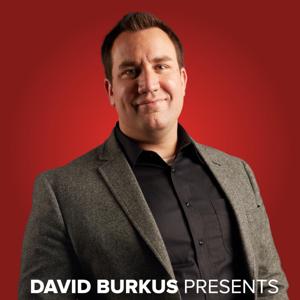
He is the best-selling author of four books about business and leadership. His books have won multiple awards and have been translated into dozens of languages. His insights on leadership and teamwork have been featured in the Wall Street Journal, Harvard Business Review, USAToday, Fast Company, the Financial Times, Bloomberg BusinessWeek, CNN, the BBC, NPR, and CBS This Morning. Since 2017, Burkus has been ranked as one of the world’s top business thought leaders by Thinkers50. As a sought-after international speaker, his TED Talk has been viewed over 2 million times. He’s worked with leaders from organizations across all industries including Google, Stryker, Fidelity, Viacom, and even the US Naval Academy.
A former business school professor, Burkus holds a master’s degree in organizational psychology from the University of Oklahoma, and a doctorate in strategic leadership from Regent University.
//SPEAKING
//CONNECT
//MUSIC
 View all episodes
 By David Burkus

4.9
1010 ratings
One of the great mysteries of the modern workplace is that we still assess performance on an individual level, when so much of one’s ability to produce results depends on their team. Work is teamwork. Which means that how well a team communicates and collaborates has a significant impact on how well individuals perform.
As a team leader, that makes coordinating collaboration a key part of your role. And the tool most team leaders use for coordination is the team’s weekly meeting. This is where teammates “work out loud” and communicate not just their status update, but where they need help and any project pivots they’ve had to undertake. Some teams use a more or less frequent rhythm than weekly, but all high-performing teams use some regular meeting to synchronize their work.
In this episode, we’ll cover the five key items to cover in a team’s weekly meeting.
0:00 Introduction
Following a template like this ensures that the weekly team meeting keeps everyone synced together, keeps them focused on what matters, and reminds them why their work matters. And that’s enough to help any team do their best work ever.
//DO YOUR BEST WORK EVER
//ABOUT DAVID
He is the best-selling author of four books about business and leadership. His books have won multiple awards and have been translated into dozens of languages. His insights on leadership and teamwork have been featured in the Wall Street Journal, Harvard Business Review, USAToday, Fast Company, the Financial Times, Bloomberg BusinessWeek, CNN, the BBC, NPR, and CBS This Morning. Since 2017, Burkus has been ranked as one of the world’s top business thought leaders by Thinkers50. As a sought-after international speaker, his TED Talk has been viewed over 2 million times. He’s worked with leaders from organizations across all industries including Google, Stryker, Fidelity, Viacom, and even the US Naval Academy.
A former business school professor, Burkus holds a master’s degree in organizational psychology from the University of Oklahoma, and a doctorate in strategic leadership from Regent University.
//SPEAKING
//CONNECT
//MUSIC

21,138 Listeners
12,764 Listeners