
Sign up to save your podcasts
Or

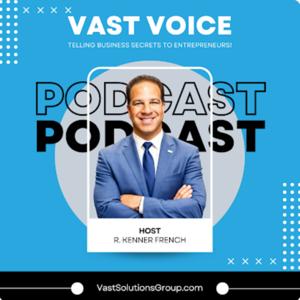


Joe Cipollini opens by sharing how he “stumbled” into coaching after nearly two decades in real estate. Repeatedly placed in sales leadership roles, he discovered his “genius zone” is building and developing sales teams across both retail and investment real estate. A turning point was taking over a struggling brokerage and launching a book club to sharpen agents’ skills—an organic path that led to coaching and education.
He highlights a standout client story: a solo agent he met at a mastermind happy hour who asked him to coach her—even before he considered himself a coach. Working together, she 5x’d her productivity in two years, crossing the $100M threshold and surpassing 100 units in their first year of coaching. Joe frames this as evidence that disciplined systems and focused development can unlock outsized growth without gimmicks.
Reflecting on regrets, Joe wishes he had stepped sooner into “the deep water” of clients’ work–life balance. He cautions that coaches (and agents) often keep the conversation on tactics and numbers while ignoring the inner life—values, goals, health, relationships—that sustains long-term performance. His lesson: live by intention, with written goals and a clear vision for the next 10–20 years, rather than living by accident.
On barriers to success for agents and entrepreneurs, Joe forbids the easy answer of “myself” and drills into specifics: limiting beliefs, lack of discipline, and weak calendar control. Success, he says, is deciding—hour by hour—what you’ll do and then honoring that commitment. He agrees that AI can be a force multiplier for prioritization and efficiency, and notes many agents still underuse it.
For newer agents (1–2 years in), Joe’s advice is refreshingly un-fancy: show up. Treat it like a job with a place to “clock in and out,” and embrace the “boring” work—lead generation and lead conversion—for two hours each, daily. For high earners aiming to scale (e.g., moving from $3M to $5M), he suggests diversifying into investing to capture larger margins and, if building a team, do it “like a business” with real structure and accountability—not a blob that passes leads around.
He closes with mindset. Quoting Tim Ferriss—“Do the inner work before the outer work”—Joe urges entrepreneurs to journal, set long-horizon goals, and build gratitude into daily rhythms. His family’s “High–Low–Buffalo” dinner ritual (the day’s high, low, and something funny) is a simple practice that keeps perspective, resilience, and joy at the center of a demanding career. For coaching and programs, he directs listeners to RampREI.com.
Takeaways
• Joe Cipollini has nearly 20 years of experience in real estate.
• He emphasizes the importance of coaching and mentorship in sales.
• A significant barrier to success is often one's own limiting beliefs.
• New agents should focus on lead generation and conversion.
• Consistency in work habits is crucial for success in real estate.
• Scaling a business requires strategic planning and diversification.
• Mindset plays a critical role in achieving business success.
• Journaling can help clarify goals and intentions.
• Daily gratitude practices can enhance personal and professional life.
• Building a supportive team is essential for long-term success.
Sound Bites
• She not only was my first coaching client
• I would encourage you to journal today
• This guy taught me high low Buffalo
Listen & Subscribe for More:
🎧 The Vast Voice Podcast → Available on Spotify & Apple Podcasts
▶️ Subscribe on YouTube (@VastSolutionsGroup.com) for expert insights 🚀
📚 Don’t miss Modern Millions by R. Kenner French – the #1 BEST SELLING Amazon book (Entrepreneurship category) 👉 ModernMillions.ai
📚 Amazon Top Selling Author→ https://www.amazon.com/dp/B0FHBS32LG
Got Questions? Reach Us Anytime:
🌐 VastSolutionsGroup.com
📞 415-212-8189
🕗 Monday–Thursday | 8:00 AM – 5:00 PM (Pacific)
🙏 Thank you for listening & supporting!
Sean opens by framing his value: he’s not just an agency owner; he and his wife also run multiple local service businesses. That means every strategy he recommends is field-tested on his own companies. He sets the stage with a simple truth: in today’s digital world, even referrals still walk through your “digital storefront” first—your website. If it looks sketchy, credibility and conversions suffer, regardless of how good you are at your craft.
He outlines his core framework: Build → Fill → Optimize a sales funnel. “Build” means getting three things right: (1) clear messaging that answers three questions above the fold—What do you do? How will you make my life better? What do I do next?; (2) a website that embodies that clarity; and (3) a transitional call-to-action (lead generator) for visitors not ready to book now. That lead should flow into follow-up (email/SMS/sales team) to nurture and convert. Only after the funnel is solid should you “Fill” it, and finally “Optimize” using data, not opinions.
Sean then audits site at a high level. Wins: strong positioning around modern tax strategy. Gaps: too many competing CTAs up top; unclear primary action; and lead magnets that lack specific benefit copy and persuasive landing pages. He stresses adding compelling social proof with specific outcomes and even pre-writing testimonial drafts clients can approve to avoid vague praise. He flags UX basics too: logo should link home, pop-ups/links must work, and the blog/podcast pages should retain global navigation for easy return paths.
On SEO, Sean calls out common technical misses: page titles and meta descriptions written for clicks and keywords, and—most crucial—the heading structure. The audit revealed dozens of H1s on key pages—likely from designers using headings as styling rather than structure—which confuses Google and hurts rankings. He recommends fixing broken links, consolidating navigation to keep buyers focused, and moving utility links to the footer.
For traffic and content, Sean loves video podcasts because they create multi-use assets: YouTube video embeds, long-form transcripts, blog posts derived from the conversation, and high-quality backlinks from guests. He urges publishing full transcripts for maximum organic and LLM surface area.
Finally, he emphasizes owning your data: build a CRM/pipeline that captures names, emails, and phone numbers. Social media reach can vanish overnight; a growing first-party database compounds revenue over time. The conversation closes with a clear CTA to Sean’s custom resource page for Vast listeners and a mutual takeaway: nail the fundamentals, publish rich content consistently, then layer paid channels and optimization—guided by data, not gut feel.
Takeaways
•Marketing is essential for business growth.
• Sales funnels are a relationship-building framework.
• Clarity in messaging is crucial for conversions.
• Lead generation strategies should be clear and compelling.
• Testimonials should highlight specific results.
• Website structure impacts user experience and SEO.
• SEO basics include site titles and meta descriptions.
• Content marketing can enhance SEO efforts.
• Paid advertising should complement organic strategies.
Sound Bites
• Clarity always wins.
• Stop paying too much in taxes.
• Success stories build trust.
Listen & Subscribe for More:
🎧 The Vast Voice Podcast → Available on Spotify & Apple Podcasts
▶️ Subscribe on YouTube (@VastSolutionsGroup.com) for expert insights 🚀
Check it out here ➡️ https://www.seangarner.co/vast
📚 Don’t miss Modern Millions by R. Kenner French – the #1 BEST SELLING Amazon book (Entrepreneurship category) 👉 ModernMillions.ai
📚 Amazon Top Selling Author→ https://www.amazon.com/dp/B0FHBS32LG
Got Questions? Reach Us Anytime:
🌐 VastSolutionsGroup.com
📞 415-212-8189
🕗 Monday–Thursday | 8:00 AM – 5:00 PM (Pacific)
🙏 Thank you for listening & supporting!
R. Kenner French and Bob Bluhm’s discussion revolves around helping entrepreneurs protect their businesses, stay compliant, and ultimately reduce their tax burden through smart systems and professional guidance.
The presentation highlights the importance of bookkeeping, which serves as the foundation of accurate tax reporting and business legitimacy. Both Kenner and Bob emphasize that maintaining proper books is not just about record-keeping—it’s a legal requirement that determines whether an LLC or corporation is recognized as a legitimate business. Clean books support better tax filings, accurate deductions, and full compliance with IRS standards. Without them, business owners risk “piercing the corporate veil,” which could expose personal assets to business liabilities.
The discussion also underscores the value of registered agent services and entity maintenance, both essential for legal and tax compliance. Properly maintained entities allow business owners to benefit from favorable tax classifications, such as LLCs taxed as S-corporations, while avoiding penalties or dissolution due to noncompliance. By managing minutes, resolutions, and annual reports, Vast Solutions Group and Asset Defense Team ensure that clients remain in good standing with both regulators and the IRS.
Another key point is the integration of artificial intelligence in tax and financial systems. Vast Solutions Group leverages AI tools to streamline financial organization, automate categorization, and identify tax-saving opportunities for small business owners. This combination of technology and expert oversight empowers entrepreneurs to make smarter, data-driven decisions that directly improve profitability and long-term tax efficiency.
Finally, the VAST Vault education platform ties it all together by offering curated, easy-to-understand content on tax planning, asset protection, and estate management—specifically tailored for real estate investors, crypto investors, and small business owners. In short, every element of the collaboration supports one overarching goal: to help entrepreneurs operate smarter, protect their assets, and legally minimize their taxes through knowledge, structure, and innovation.
Takeaways
• These services are designed to help businesses grow significantly.
• The VAST Vault offers curated information for specific investor needs.
• Free bookkeeping can save significant costs for entrepreneurs.
• Registered agent services are essential for legal compliance.
• Maintaining an entity requires ongoing attention and care.
• Asset protection is about freedom from liability concerns.
• The extended service program helps ensure compliance with legal requirements.
• Business owners should not overlook the importance of bookkeeping.
• Having a professional registered agent protects your business.
• The conversation emphasizes a supportive community for business owners.
Sound Bites
• Free bookkeeping is a huge cost savings.
•Y ou cannot set it and forget it.
• We're here to help you.
Listen & Subscribe for More:
🎧 The Vast Voice Podcast → Available on Spotify & Apple Podcasts
▶️ Subscribe on YouTube (@VastSolutionsGroup.com) for expert insights 🚀
📚 Don’t miss Modern Millions by R. Kenner French – the #1 BEST SELLING Amazon book (Entrepreneurship category) 👉 ModernMillions.ai
📚 Amazon Top Selling Author→ https://www.amazon.com/dp/B0FHBS32LG
Got Questions? Reach Us Anytime:
🌐 VastSolutionsGroup.com
📞 415-212-8189
🕗 Monday–Thursday | 8:00 AM – 5:00 PM (Pacific)
🙏 Thank you for listening & supporting!
This episode centers on wealth-building and financial growth, as host R. Kenner French and guest Natalia Zacharin explore how business owners can increase their net worth through better systems, profitability, and planning. Natalia emphasizes that many entrepreneurs are passionate but lack financial clarity. Her main advice is to “run your business as if you’re going to sell it,” because this mindset encourages stronger systems, more organized processes, and better decision-making that leads to long-term wealth.
A central theme of the conversation is money management and profitability. Natalia explains that it’s not enough to simply track revenue — true success comes from understanding profit margins, expenses, and cash flow. She recommends keeping a personal net worth statement to measure growth over time, which helps business owners stay aware of their financial direction and spending habits. Building wealth, she adds, requires intentional action and continuous tracking.
Another key highlight is the role of artificial intelligence (AI) in modern financial operations. Natalia and Kenner discuss how AI can automate bookkeeping, organize data, and even generate systems or training documents. By integrating AI, business owners can save time, reduce costs, and focus on high-level strategies that directly impact profitability. Natalia notes that AI is not something to fear—it’s a powerful ally for those seeking efficiency and smarter decision-making.
They also touch on the importance of accountability and data-driven strategy. Natalia explains how a fractional CFO helps business owners make clear, unemotional financial choices while staying accountable to their goals. She shares a case where a client shifted from a one-time sales model to a subscription model, which dramatically improved profits. The lesson: sustainable wealth comes from strategy, not guesswork.
In the final part of the discussion, Natalia discusses acquisitions and valuation, pointing out that buying a business means inheriting not just assets but also its culture and systems. She advises understanding both the numbers and the people involved. The episode concludes with a strong message — true wealth comes from combining financial discipline, AI-powered efficiency, and smart, consistent decision-making.
Takeaways
Wealth building starts with understanding your business numbers.
Running a business as if you're going to sell it leads to better practices.
Systems and processes are crucial for business scalability.
Artificial intelligence can streamline operations and save time.
Measuring team efficiency is key to improving performance.
Creating a personal net worth statement helps track financial health.
A fractional CFO can provide valuable insights and accountability.
Emotional support is important for entrepreneurs navigating challenges.
Building a community can provide collaboration and support for business growth.
Acquisitions require understanding the culture of the business being bought.
Sound Bites
Do you want to get wealthy?
It's hard to be an entrepreneur?
You need to do it yourself now as the owner.
Listen & Subscribe for More:
🎧 The Vast Voice Podcast → Available on Spotify & Apple Podcasts
▶️ Subscribe on YouTube (@VastSolutionsGroup.com) for expert insights 🚀
📚 Don’t miss Modern Millions by R. Kenner French – the #1 BEST SELLING Amazon book (Entrepreneurship category) 👉 ModernMillions.ai
📚 Amazon Top Selling Author→ https://www.amazon.com/dp/B0FHBS32LG
Got Questions? Reach Us Anytime:
🌐 VastSolutionsGroup.com
📞 415-212-8189
🕗 Monday–Thursday | 8:00 AM – 5:00 PM (Pacific)
🙏 Thank you for listening & supporting!
Amanda Webster—dubbed the “relationship queen”—shares how her life as a mother of five and military spouse shaped her adaptability and drive. After 17 years running law firms, burnout during COVID prompted a pivot into the financial space, where she quickly excelled. Her core belief: everything in business begins and ends with relationships—employees, clients, and partners all want to be seen, heard, and valued. Long-term trust beats short-term transactions.
She underscores that authenticity and generosity compound over time. Amanda admits early missteps, especially during her industry transition, but reframed conflict by asking, “What can I do for you?” Listening, making others feel human, and being willing to walk away from mismatches turned tense moments into loyalty. She avoids burning bridges and maintains ties across past careers and networks, which continually open new doors and referrals.
Masterminds are Amanda’s growth engine. She argues a true mastermind gathers people in a similar vertical with varied experience levels and a shared intent to help, learn, and mentor. By showing up to give—arriving early, volunteering, and contributing—she’s made millions indirectly and directly through these rooms. She participates in multiple groups (e.g., Investor Fuel, invite-only “Family,” Coaching Inc), values in-person deep dives, and is in the process of acquiring a women-focused mastermind to expand its reach beyond real estate.
Complementing masterminds, she champions communities and local meetups. Communities (often on Facebook) let you educate, engage, and nurture a pipeline with content you control, evolving from free hubs into paid, recurring-revenue offerings. Meetups, while more social and informal, keep her visible in the local Tampa Bay market and sustain a grassroots network. The host echoes this, noting his own community grew from zero to nearly a thousand members and fuels both marketing and paid offerings.
Amanda’s closing playbook: make “relationship first” a core value inside and outside the company. Treat employees like people to grow long-term talent; cultivate external networks to catalyze high-value matches (like pairing a CMO candidate with a hiring founder). She cites Tom Kroll’s “Top 40” ritual—weekly touchpoints with your 40 most important contacts—as a practical cadence. For entrepreneurs, especially real estate pros and high net worth operators, her message is consistent: lead with giving, stay authentic, build communities, join (or start) masterminds, and the results—and revenue—follow.
Takeaways
• Everything comes down to relationships.
• Don't make it about the transaction.
• Keep relationships forever; they are valuable.
• Always approach situations from a place of giving.
• Masterminds are essential for learning and networking.
• You should always be in a mastermind.
• Meetups help in getting out of the home office.
• Creating free communities can be beneficial.
• Investing in relationships leads to long-term success.
• Authenticity and giving back are key to building trust.
Sound Bites
• Don't make it about the transaction.
• Always come from a place of giving.
• It's all about the relationship.
Listen & Subscribe for More:
🎧 The Vast Voice Podcast → Available on Spotify & Apple Podcasts
▶️ Subscribe on YouTube (@VastSolutionsGroup.com) for expert insights 🚀
📚 Don’t miss Modern Millions by R. Kenner French – the #1 BEST SELLING Amazon book (Entrepreneurship category) 👉 ModernMillions.ai
📚 Amazon Top Selling Author→ https://www.amazon.com/dp/B0FHBS32LG
Got Questions? Reach Us Anytime:
🌐 VastSolutionsGroup.com
📞 415-212-8189
🕗 Monday–Thursday | 8:00 AM – 5:00 PM (Pacific)
🙏 Thank you for listening & supporting!
Richard Wilson explains what sets billionaires apart: they lean into contrarian bets, push forward when others say “that’s not how it works,” and avoid crowd consensus. He notes that this mindset shows up as niche focus, intolerance for best-practice complacency, and an eagerness to build where others doubt. Wilson positions himself as a practical insider—working closely with two billionaire clients and completing dozens of transactions—rather than a theorist.
He outlines his background: early entrepreneurial attempts, a stint in risk consulting that funded his MBA, then a pivot to capital raising. Discovering the “family office” niche, he scaled authority by publishing useful content, buying premium domains (familyoffices.com, billionaires.com), writing books, and hosting hundreds of events. Today he’s interviewing 100 billionaires (46 done), reading books authored by billionaires (130/245 so far), and training AI on 950 billionaire talks to distill “collective intelligence.”
For listeners who want to “think like a billionaire,” Richard offers resources: the free Billionaire Collective Intelligence AI tool and a reading list at billionaires.com/books (including Buffett’s shareholder letters). He emphasizes sharpening strategy through niche domination, contrarian brand positioning, and tech leverage. He suggests identifying the most profitable customer segments, exploring competitor acquisition (especially founder retirements), and getting ahead of industry shifts (e.g., flat-fee, tech-enabled real estate models).
Wilson then describes what successful family offices actually do: manage diversified public markets with a small team, build a cash-flow-oriented real estate bucket, and “play offense” in a focused operating niche via control or significant minority stakes. The throughline is concentrated excellence in one to three games, compounding skill and advantage over years. He also stresses environment and peers—surrounding yourself with top performers raises standards, courage, and velocity (his “Orange Theory vs. CrossFit” analogy).
Finally, Richard explains how his Family Office Club helps founders and investors: 22 annual events in major U.S. hubs (masterminds and larger summits), a mobile app with 1,200 investor talks, and ~40 AI tools that match opportunities to investor profiles. In-person trust is pivotal; digital funnels exist to create handshakes. Ideal contacts include founders forming or improving a family office, medical/dental practice leaders, and robotics ventures.
Takeaways
• Billionaires think differently and embrace unconventional ideas.
• Richard Wilson has interviewed 46 billionaires to gather insights.
• Niche focus can lead to exponential business growth.
• Family offices manage significant assets and provide investment opportunities.
• Networking and relationships are crucial for investment success.
• AI tools can enhance business strategies and decision-making.
• Free content is an effective way to attract an audience.
• In-person events foster valuable connections and collaborations.
• Understanding the billionaire mindset can help entrepreneurs scale their businesses.
• Surrounding yourself with successful individuals can elevate your own success.
Sound Bites
• A billionaire thinks differently.
• Free content gets you eyeballs.
• We host 22 live events a year.
Listen & Subscribe for More:
🎧 The Vast Voice Podcast → Available on Spotify & Apple Podcasts
▶️ Subscribe on YouTube (@VastSolutionsGroup.com) for expert insights 🚀
📚 Don’t miss Modern Millions by R. Kenner French – the #1 BEST SELLING Amazon book (Entrepreneurship category) 👉 ModernMillions.ai
📚 Amazon Top Selling Author→ https://www.amazon.com/dp/B0FHBS32LG
Got Questions? Reach Us Anytime:
🌐 VastSolutionsGroup.com
📞 415-212-8189
🕗 Monday–Thursday | 8:00 AM – 5:00 PM (Pacific)
🙏 Thank you for listening & supporting!
Nancy Steidl is an international business consultant and intellectual property (IP) specialist, Canadian-born and UK-based for 25 years. She runs The Business Mission and blends practical business structuring with deep IP expertise. She emphasizes education (two completed master’s degrees—Business Law and an MBA—and a third in International IP Law) and has a forthcoming book titled The Art of Analogies in Business: How to Start a Business Using Layman’s Terms (pre-order via her site), designed to make business concepts simple through analogies.
For new entrepreneurs (e.g., a real estate agent in New York), Nancy’s core playbook starts with a real business plan—turning ideas into a validated model with actual revenue. She urges early attention to IP—trademarks, patents, copyright, and trade secrets—because brand and know-how are central assets. Employment law and freelancer agreements matter, too; you must define wages/benefits compliantly and ensure contracts assign IP to the company.
On AI and IP, Nancy notes the legal landscape is fast-moving and jurisdiction-specific. Patentability standards differ country-to-country, so founders should conduct prior-art searches and plan filings per jurisdiction (US, UK, Canada, etc.). Copyright is automatically granted upon original creation, but AI-generated content raises authenticity and ownership questions—and current doctrines don’t allow robots to own IP. Trademarks remain human/company-owned, while trade secrets require strong confidentiality controls. Founders must also meet data-protection obligations like GDPR and CCPA .
Trademarks take time: UK filings can complete in ~6 months, India can take ~3 years, and the US is heavily backlogged . You can usually use “TM” while an application is pending to build history—but there’s risk if opposition arises. Because IP can dwarf all other assets, some larger companies park it in a separate holding entity (e.g., Nike/IKEA-style arrangements), depending on circumstances. Nancy shares cautionary tales—small firms forced to rebrand after conflicts with powerful rightsholders—underscoring why early trademark searches and filings are crucial.
Philosophically, Nancy reframes “failures” as redirections. Her guidance: over-protect rather than under-protect contracts; ensure all employee/contractor IP is assigned to the company; and remember that brand (your name, marks, and story) is your moat. Couple a thoughtful plan with strong IP hygiene, respect for data/privacy rules, and cultural intelligence, and you dramatically improve a business’s odds—from launch, through growth, to a valuable exit.
Takeaways
• A business needs to prove its model before it's classified as a business.
• You must start with a business plan.
• Intellectual property is a very big asset.
• Understanding the logistics of any country is crucial for business.
• Cultural aspects are important when starting a business in a new country.
• You need to secure your IP rights to protect your business.
• Business planning should include an exit strategy from the start.
• AI innovations present new challenges for intellectual property laws.
• Contracts should clearly define IP ownership to avoid disputes.
• There are no failures, only redirections in business.
Sound Bites
• You must start with a business plan.
• You need to give that time to grow.
• You have to secure your IP rights.
Listen & Subscribe for More:
🎧 The Vast Voice Podcast → Available on Spotify & Apple Podcasts
▶️ Subscribe on YouTube (@VastSolutionsGroup.com) for expert insights 🚀
📚 Don’t miss Modern Millions by R. Kenner French – the #1 BEST SELLING Amazon book (Entrepreneurship category) 👉 ModernMillions.ai
📚 Amazon Top Selling Author→ https://www.amazon.com/dp/B0FHBS32LG
Got Questions? Reach Us Anytime:
🌐 VastSolutionsGroup.com
📞 415-212-8189
🕗 Monday–Thursday | 8:00 AM – 5:00 PM (Pacific)
🙏 Thank you for listening & supporting!
R. Kenner French kicks off with “Tax Hack Time,” aiming to share practical, low-effort strategies to legally, morally, and ethically reduce taxes—especially for entrepreneurs and real estate investors. He emphasizes proactivity: the IRS won’t tell you you’re overpaying, so plan ahead and use simple moves that don’t demand heavy CPA time. He also teases bonuses at the end to sweeten the learning.
He introduces VastSolutionsGroup.com, founded in 1969 and now headquartered on Bainbridge Island, with national reach and a sister asset-protection firm (vastassetdefense.com). The team blends tax pros, attorneys, an actuary, and AI—via their in-house model “Einstein”—to forecast a client’s tax liability early in the year and then “reverse-engineer” strategies to minimize it before filing season. Kenner highlights his background as an author, speaker, and contributor, as well as the firm’s deep experience with AI.
Among the top hacks, several stand out: setting up the right entity to split reasonable salary from distributions, which can cut payroll taxes substantially; using self-directed retirement plans to hold real estate or other assets for tax-deferred or tax-free growth; maximizing depreciation in real estate; and shifting income strategically to lower-bracket family members while coordinating with Roth contributions for long-term benefits.
He also explains the value of qualifying as a Real Estate Professional (REPS) to deduct real estate losses against active income, deducting travel tied to business activities with proper documentation, and leveraging AI-powered bookkeeping for cleaner books, fewer errors, and faster tax optimization—spotlighting their “vastbookie.ai” bookkeeping tool.
Two “bonus” hacks top it off—claiming R&D tax credits for AI or innovation work many businesses already perform (like using ChatGPT or Gemini), and exploring 831(b) captive insurance for larger risk management, noting its complexity but immense potential for high earners.
He closes by offering free AI bookkeeping for one entity (via waitlist), a tax strategy roadmap package, and access to the Vault community for resources and connections. He also previews his book ModernMillions.ai—a playbook for making, saving, and protecting wealth using AI, tax strategy, and asset protection. His final call-to-action: visit VastSolutionsGroup.com, claim your bonuses, and share the knowledge with others who want to keep more of what they earn—legally.
Takeaways
• Tax hacks can significantly lower tax liability for entrepreneurs.
• Setting up the right entity can provide asset protection and tax benefits.
• Self-directed IRAs can be used to invest in real estate without immediate tax implications.
• Maximizing depreciation is crucial for real estate investors.
• Income shifting to family members can reduce overall tax burden.
• Travel expenses related to property tours are deductible.
• AI-powered bookkeeping can streamline financial management and reduce errors.
• Understanding short-term vs long-term capital gains is essential for tax planning.
• Home office deductions can provide substantial tax savings.
• Proactive tax planning is key to minimizing tax liabilities.
Sound Bites
• This is tax hack time with Kenner.
• Consult with a professional.
• Use AI-powered bookkeeping tools.
Listen & Subscribe for More:
🎧 The Vast Voice Podcast → Available on Spotify & Apple Podcasts
▶️ Subscribe on YouTube (@VastSolutionsGroup.com) for expert insights 🚀
📚 Don’t miss Modern Millions by R. Kenner French – the #1 BEST SELLING Amazon book (Entrepreneurship category) 👉 ModernMillions.ai
📚 Amazon Top Selling Author→ https://www.amazon.com/dp/B0FHBS32LG
Got Questions? Reach Us Anytime:
🌐 VastSolutionsGroup.com
📞 415-212-8189
🕗 Monday–Thursday | 8:00 AM – 5:00 PM (Pacific)
🙏 Thank you for listening & supporting!
Real estate has long been considered one of the strongest vehicles for building wealth, but not every investor has the time, knowledge, or patience to deal with tenants, renovations, and property management. That’s where Lindsay Davis, CEO of Spartan Invest, comes in. Her company offers turnkey rental properties in Alabama, Georgia, and Tennessee—markets where housing prices are still accessible, and cash flow remains strong. For investors living in high-cost areas like California, New York, or Hawaii, Spartan Invest provides a way to diversify portfolios and enjoy steady returns without the hassle of day-to-day management.
The model is simple: Spartan purchases properties, renovates them to strict standards, places tenants, and then sells the properties to investors while continuing to manage them. This means that investors can earn what Davis calls “mailbox money”—passive rental income deposited into their accounts each month. By handling everything from tenant placement to maintenance and even evictions if necessary, Spartan allows busy professionals to enjoy the financial benefits of real estate investing without the operational headaches.
What sets Spartan Invest apart is not just the process, but the alignment of incentives. The entire staff is on performance-based compensation, meaning property managers only maximize their pay when occupancy and rent collection remain strong. This unique structure ensures that the success of Spartan’s team is tied directly to the financial success of its investors. Combined with aggressive renovation standards—such as replacing roofs, HVAC systems, and water heaters when they are more than five years old—the company strives to minimize surprises for property owners.
Of course, no investment is without risk. She is transparent about the downsides, including the reality that DIY investors who find and manage properties themselves may capture more equity and higher returns. But the tradeoff is time, risk, and expertise—things many busy professionals don’t have. By offering full-service property management and a clear investment path, Spartan Invest gives its clients the chance to grow wealth steadily while avoiding common pitfalls of the real estate industry. As Lindsay notes, real estate isn’t a quick win, but as history proves, it’s a powerful foundation for wealth that can be passed on for generations.
Takeaways
• Mailbox money is a term for passive income from real estate investments.
• Spartan Invest provides a one-stop shop for property management and investment.
• Investors can achieve positive cash flow in the Southeast U.S.
• Real estate can be a long-term investment strategy for financial freedom.
• Understanding market dynamics is crucial for successful investing.
• Property management is key to maintaining investment value.
• Investors should be aware of fair housing regulations.
• Transparency in investment processes builds trust with clients.
• Real estate investing is not a quick path to wealth.
• The shift towards renting is increasing in today's market.
Sound Bites
• Lindsay Davis will make you rich!
• We make real estate investing accessible.
• It's not a get rich quick scheme.
Listen & Subscribe for More:
🎧 The Vast Voice Podcast → Available on Spotify & Apple Podcasts
▶️ Subscribe on YouTube (@VastSolutionsGroup.com) for expert insights 🚀
📚 Don’t miss Modern Millions by R. Kenner French – the #1 BEST SELLING Amazon book (Entrepreneurship category) 👉 ModernMillions.ai
📚 Amazon Top Selling Author→ https://www.amazon.com/dp/B0FHBS32LG
Got Questions? Reach Us Anytime:
🌐 VastSolutionsGroup.com
📞 415-212-8189
🕗 Monday–Thursday | 8:00 AM – 5:00 PM (Pacific)
🙏 Thank you for listening & supporting!
From the publisher's feed