
Sign up to save your podcasts
Or

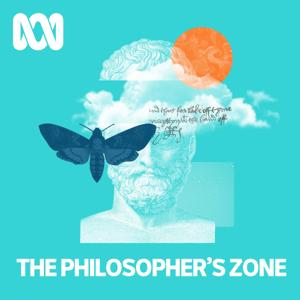

Behind the familiar Buddhist doctrine that "there is no self" lies a centuries-long tradition of dispute and disagreement. Reductionists believe that the self is no more than a bundle of sense impressions and mental states that add up to nothing of substance or permanence, while emergentists believe that the self is something more - something related to these impressions and mental states, but not reducible to them. We're not going to settle the argument this week, but we will be exploring the ethical ramifications and asking what's at stake.
 View all episodes
 By ABC, ABC Australia

4.5
191191 ratings
Behind the familiar Buddhist doctrine that "there is no self" lies a centuries-long tradition of dispute and disagreement. Reductionists believe that the self is no more than a bundle of sense impressions and mental states that add up to nothing of substance or permanence, while emergentists believe that the self is something more - something related to these impressions and mental states, but not reducible to them. We're not going to settle the argument this week, but we will be exploring the ethical ramifications and asking what's at stake.
99 Listeners
64 Listeners
125 Listeners
89 Listeners

16 Listeners
43 Listeners
1,737 Listeners
785 Listeners
1,535 Listeners
752 Listeners
313 Listeners

133 Listeners
63 Listeners
64 Listeners
44 Listeners
467 Listeners
165 Listeners
1,080 Listeners

8 Listeners

194 Listeners
116 Listeners
234 Listeners
1,014 Listeners

55 Listeners