
Sign up to save your podcasts
Or

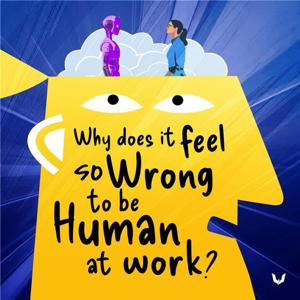


Season 2, Episode 5: Why Does It Feel So Wrong to Be an A**hole at Work?
Episode Description
We said what we said. In this bold and uncensored episode of Why Does It Feel So Wrong to Be Human at Work?, hosts Pinaki Kathiari and Chris Lee are joined by internal comms legend Chuck Gose to take on the big question that no one talks about—but everyone experiences:
Why does it feel so wrong (yet so common) to act like an a**hole at work?
Together, they dive into:
From office politics and passive-aggressive emails to visionary leaders who bulldoze their teams, this episode is part hilarious storytelling, part therapy session—and part HR intervention.
Timestamps:
Wisdom That Feels So Right
Mic-Drop Moments:
“One person’s visionary is another person’s jerk.”
“If you’re surrounded by a**holes… maybe it’s hiring. Or maybe it’s you.”
“Individually, we might slip. But when the system rewards bad behavior? That’s a culture problem.”
Connect with Us:
Pinaki Kathiari – LinkedIn | Local Wisdom
Chris Lee – LinkedIn | Gallagher Communication
Chuck Gose – LinkedIn | ICology | Frequency Podcast
Special Thanks:
Huge shoutout to Local Wisdom for making this show possible, and to our incredible team behind the scenes: Brielle Saracini and SBX Productions. You make us sound smooth—even when the topic is rough.
Keep the Conversation Going:
Whether you’ve encountered one, been one, or managed one—this topic hits home. Share your thoughts, leave a review, tag us on LinkedIn, or email us your story (names changed to protect the guilty, of course). Visit whydoesitfeelsowrong.com to bring these conversations into your workplace.
Connect with Us
Pinaki Kathiari – LinkedIn | Local Wisdom
Chris Lee – LinkedIn | Gallagher Communication
Bree Bartos – LinkedIn | Local Wisdom
Special thanks to digital communication agency Local Wisdom (www.localwisdom.com) for really believing in our mission and making this podcast possible.
If this episode made you think differently, laugh, or even yell out loud, we want to hear about it! Connect with us on LinkedIn, and don’t forget to rate, review, and share – maybe with your work bestie… or even your boss if you're feeling bold.
We also bring these important conversations to conferences and private workshops, creating space for real, meaningful change. Take the first step at www.whydoesitfeelsowrong.com.
Hosted by Simplecast, an AdsWizz company. See pcm.adswizz.com for information about our collection and use of personal data for advertising.
Season 2, Episode 4: Why Does It Feel So Wrong to Ask for Help at Work?
Episode Description
Is asking for help a sign of weakness—or is it the key to doing great work and being fully human?
In this heartfelt episode of Why Does It Feel So Wrong to Be Human at Work?, hosts Pinaki Kathiari and Chris Lee explore why asking for help often feels like failure in today’s work culture—and why that couldn’t be further from the truth.
Sparked by a powerful story about Pinaki’s late grandmother (“When you're in trouble, don't sit by yourself”), this conversation dives into the subtle social rules, psychological biases, and cultural expectations that prevent people—especially men, leaders, and high performers—from speaking up when they need support.
Together, they unpack:
This one is personal, practical, and packed with real-world stories, from fixing dryers to managing emotional labor. Plus, the team closes with their latest segment, Wisdom That Feels So Right, with book, video, and therapy recs that meet you where you are.
Timestamps
Wisdom That Feels So Right
Mic-Drop Moments
“Individually we’re limited—but together, we’re unlimited.”
“Help isn’t a detour—it’s the road to stronger work.”
“Sometimes people need to struggle. And sometimes they need to know they’re not alone in it.”
Connect with Us
Pinaki Kathiari – LinkedIn | Local Wisdom
Chris Lee – LinkedIn | Gallagher Communication
Special Thanks
Thank you to Local Wisdom for funding and fostering the conversations that bring more heart to the workplace. Shoutout to Brielle Saracini (producer), and the incredible team at SBX Productions—Vince, Taylor, and Bill—for helping us sound as good as we feel.
Share the Help
If something in this episode moved you, reminded you, or gave you courage—don’t keep it to yourself. Rate, review, share with a friend, or forward to someone who needs a nudge to raise their hand and say, “Hey, I could use a little help.”
Connect with Us
Pinaki Kathiari – LinkedIn | Local Wisdom
Chris Lee – LinkedIn | Gallagher Communication
Bree Bartos – LinkedIn | Local Wisdom
Special thanks to digital communication agency Local Wisdom (www.localwisdom.com) for really believing in our mission and making this podcast possible.
If this episode made you think differently, laugh, or even yell out loud, we want to hear about it! Connect with us on LinkedIn, and don’t forget to rate, review, and share – maybe with your work bestie… or even your boss if you're feeling bold.
We also bring these important conversations to conferences and private workshops, creating space for real, meaningful change. Take the first step at www.whydoesitfeelsowrong.com.
Hosted by Simplecast, an AdsWizz company. See pcm.adswizz.com for information about our collection and use of personal data for advertising.
Season 2, Episode 3: Why Does It Feel So Wrong to Be Influenced?
Episode Description
Influencer fatigue, TikTok tips, corporate jargon, lawn envy, and the boss who suddenly wants to “go agile” after reading one McKinsey article—sound familiar?
In this episode of Why Does It Feel So Wrong to Be Human at Work?, hosts Pinaki Kathiari and Chris Lee explore how deeply we're all influenced—by social media, our neighbors, our leaders, and even ourselves. The conversation spans from the science of subconscious mimicry to the ways workplace “best practices” are sometimes just rituals no one remembers the reason for.
Together, they unpack:
Timestamps
Wisdom That Feels So Right
Mic-Drop Moments
“Influence gives us direction. But too much of it, unchecked, shapes us into something we didn’t choose.”
“Even saying nothing is saying something—especially when you’re a leader.”
“Work should feel like a flow state, not a factory reset.”
Connect with Us
Pinaki Kathiari – LinkedIn | Local Wisdom
Chris Lee – LinkedIn | Gallagher Communication
Gratitude & Support
Shoutout to Local Wisdom for making this podcast possible—and for building the kind of culture that actually feels human. Thanks to SBX Productions for making us sound pro, and to our powerhouse producer Brielle Seracini for keeping the wheels turning.
Join the Movement
If this episode made you smile, made you think, or made you throw your phone across the room—we want to hear about it. Follow, rate, review, and share with friends, teammates, or your boss (subtly). You can also visit whydoesitfeelsowrong.com to keep the conversation going.
Connect with Us
Pinaki Kathiari – LinkedIn | Local Wisdom
Chris Lee – LinkedIn | Gallagher Communication
Bree Bartos – LinkedIn | Local Wisdom
Special thanks to digital communication agency Local Wisdom (www.localwisdom.com) for really believing in our mission and making this podcast possible.
If this episode made you think differently, laugh, or even yell out loud, we want to hear about it! Connect with us on LinkedIn, and don’t forget to rate, review, and share – maybe with your work bestie… or even your boss if you're feeling bold.
We also bring these important conversations to conferences and private workshops, creating space for real, meaningful change. Take the first step at www.whydoesitfeelsowrong.com.
Hosted by Simplecast, an AdsWizz company. See pcm.adswizz.com for information about our collection and use of personal data for advertising.
Season 2, Episode 2: Why Does It Feel So Wrong to Be Honest at Work?
Episode Description
Can you really speak your truth at work without risking relationships, reputation, or your job? In this episode of Why Does it Feel So Wrong to Be Human at Work?, hosts Pinaki Kathiari and Chris Lee dig deep into the complex emotional, social, and cultural dynamics around honesty in the workplace.
They ask:
Through personal stories, research insights, and straight-up vulnerability, Chris and Pinaki explore the messy middle between truth and tact—including how to create a psychologically safe environment where honesty can thrive.
They also introduce concepts like:
This episode closes with another segment of Wisdom That Feels So Right, highlighting the best books and frameworks on honesty, trust, and communication.
Timestamps
Wisdom That Feels So Right
Key Takeaways
“Honesty without compassion can be cruel.” — Kristen Hancock
“When everyone says yes and no one means it, you're in a fantasy relationship.”
“We overestimate the negative impact of truth—and underestimate the positive.”
Connect with Us
Pinaki Kathiari – LinkedIn | Local Wisdom
Chris Lee – LinkedIn | Gallagher Communication
Special Thanks
Thank you to Local Wisdom and our rockstar producer Brielle Seracini for making this podcast possible. If your team is wrestling with truth, culture, or communication—let’s take this show on the road to your organization.
Let’s Keep It Real:
If this episode made you laugh, cringe, think—or gave you the urge to forward it anonymously to your boss—please rate, review, and share. We’d love to hear your honest take. Connect with us on LinkedIn and join the conversation.
Connect with Us
Pinaki Kathiari – LinkedIn | Local Wisdom
Chris Lee – LinkedIn | Gallagher Communication
Bree Bartos – LinkedIn | Local Wisdom
Special thanks to digital communication agency Local Wisdom (www.localwisdom.com) for really believing in our mission and making this podcast possible.
If this episode made you think differently, laugh, or even yell out loud, we want to hear about it! Connect with us on LinkedIn, and don’t forget to rate, review, and share – maybe with your work bestie… or even your boss if you're feeling bold.
We also bring these important conversations to conferences and private workshops, creating space for real, meaningful change. Take the first step at www.whydoesitfeelsowrong.com.
Hosted by Simplecast, an AdsWizz company. See pcm.adswizz.com for information about our collection and use of personal data for advertising.
Season 2, Episode 1: Why Does It Feel So Wrong to Embrace Change at Work?
Episode Description:
We’re back! After a much-anticipated break, hosts Pinaki Kathiari (CEO of Local Wisdom, co-founder of Resource Hero) and Chris Lee (VP at Gallagher Communications, President of IABC Toronto) kick off Season 2 of Why Does it Feel So Wrong to Be Human at Work? by tackling one of the most universal and misunderstood workplace experiences: change.
In this deeply personal and practical conversation, Pinaki and Chris explore:
Plus, they debut a new segment: “Wisdom That Feels So Right”, where they recommend books that help make sense of change and guide listeners through it.
Timestamps
00:00 – Welcome back: The evolution of the podcast and workplace conversations
03:00 – How the idea of humanizing the workplace gained traction
05:45 – What makes change feel so wrong at work
09:00 – Control, identity, and the emotional impact of organizational shifts
14:30 – Change as pain: The rollercoaster of excitement and fear
18:00 – Riding Waymo: An experiential metaphor for personal change
21:00 – Risk tolerance and managing emotional responses to uncertainty
27:00 – Suffering vs. reality: A mindset shift in navigating change
30:00 – Lessons from Who Moved My Cheese?
34:00 – Wisdom That Feels So Right: Books and frameworks on change
37:30 – Final thoughts: Making change a positive habit
Wisdom that Feels So Right
Connect with Us
Pinaki Kathiari – LinkedIn | Local Wisdom
Chris Lee – LinkedIn | Gallagher Communication
Let’s Keep the Conversation Going:
Did something we said spark a new thought? Did you feel seen, challenged, or even frustrated by our take? We want to hear from you. Drop us a comment on LinkedIn or tag us in your reflections. And if you found this valuable, please rate, review, and share the episode to help others bring more humanness into the workplace.
Connect with Us
Pinaki Kathiari – LinkedIn | Local Wisdom
Chris Lee – LinkedIn | Gallagher Communication
Bree Bartos – LinkedIn | Local Wisdom
Special thanks to digital communication agency Local Wisdom (www.localwisdom.com) for really believing in our mission and making this podcast possible.
If this episode made you think differently, laugh, or even yell out loud, we want to hear about it! Connect with us on LinkedIn, and don’t forget to rate, review, and share – maybe with your work bestie… or even your boss if you're feeling bold.
We also bring these important conversations to conferences and private workshops, creating space for real, meaningful change. Take the first step at www.whydoesitfeelsowrong.com.
Hosted by Simplecast, an AdsWizz company. See pcm.adswizz.com for information about our collection and use of personal data for advertising.
Season 2 is here.
Join Pinaki Kathiari (Local Wisdom) and Chris Lee (Gallagher) as they dig into the contradictions of modern work culture—like why change feels scary and gossip feels great.
It’s honest, human, and maybe a little uncomfortable.
New episodes dropping soon. Subscribe on Apple, Spotify, or wherever you get your audio podcasts.
Connect with Us
Pinaki Kathiari – LinkedIn | Local Wisdom
Chris Lee – LinkedIn | Gallagher Communication
Bree Bartos – LinkedIn | Local Wisdom
Special thanks to digital communication agency Local Wisdom (www.localwisdom.com) for really believing in our mission and making this podcast possible.
If this episode made you think differently, laugh, or even yell out loud, we want to hear about it! Connect with us on LinkedIn, and don’t forget to rate, review, and share – maybe with your work bestie… or even your boss if you're feeling bold.
We also bring these important conversations to conferences and private workshops, creating space for real, meaningful change. Take the first step at www.whydoesitfeelsowrong.com.
Hosted by Simplecast, an AdsWizz company. See pcm.adswizz.com for information about our collection and use of personal data for advertising.
Season 1, Episode 10: Why Does It Feel So Wrong to Fail at Work?
Episode Description:
Failure is inevitable. But why does it still feel so wrong?
In this heartfelt and celebratory finale of Why Does It Feel So Wrong to Be Human at Work?, hosts Pinaki Kathiari and Chris Lee dive into why failure carries so much emotional weight at work—and why that needs to change. With humor, humility, and personal stories, they reflect on childhood expectations, leadership norms, and the organizational fear of getting things wrong.
They explore:
This isn’t just a conversation about failing, it’s about learning, evolving, and building workplaces where failure is seen as a teacher, not a threat.
Timestamps:
Books & Resources:
Right Kind of Wrong by Amy Edmondson
Thinking in Bets by Annie Duke
The Dip by Seth Godin
Blink by Malcolm Gladwell
Mic-Drop Moments:
“Failure isn’t the opposite of success. It’s the staircase to it.”
“We fear failure because we were taught it meant we were wrong—not just wrong, but bad.”
“Let’s fail fast, fail cheap, and succeed sooner.”
“Every step you take that doesn’t work is still a step forward.”
Connect with Us:
Pinaki Kathiari – LinkedIn | Local Wisdom
Chris Lee – LinkedIn | Gallagher Communication
Special Thanks:
Huge gratitude to everyone who joined us for this first season—our listeners, our guests, and our production team. Thank you for making space for real conversations about what it means to be human at work. And a special thanks to Local Wisdom for sponsoring this season and leading the way in people-first communication.
Your Turn:
What’s a failure that helped you grow the most? What’s your organization’s attitude toward mistakes? Share your thoughts with us at whydoesitfeelsowrong.com or on LinkedIn using #WhyDoesItFeelSoWrong.
Connect with Us
Pinaki Kathiari – LinkedIn | Local Wisdom
Chris Lee – LinkedIn | Gallagher Communication
Bree Bartos – LinkedIn | Local Wisdom
Special thanks to digital communication agency Local Wisdom (www.localwisdom.com) for really believing in our mission and making this podcast possible.
If this episode made you think differently, laugh, or even yell out loud, we want to hear about it! Connect with us on LinkedIn, and don’t forget to rate, review, and share – maybe with your work bestie… or even your boss if you're feeling bold.
We also bring these important conversations to conferences and private workshops, creating space for real, meaningful change. Take the first step at www.whydoesitfeelsowrong.com.
Hosted by Simplecast, an AdsWizz company. See pcm.adswizz.com for information about our collection and use of personal data for advertising.
Season 1, Episode 9: Why Does It Feel So Wrong to Doubt the Data?
Episode Description:
Data doesn't lie—until it does.
In this thought-provoking episode of Why Does It Feel So Wrong to Be Human at Work?, hosts Pinaki Kathiari and Chris Lee explore the complicated relationship between data-driven decision making and gut instinct. From legendary art forgeries and tech valuations to corporate benefits and poker games, they show how numbers and intuition both play critical roles in how we navigate decisions at work.
They explore:
If you've ever hesitated to act without "enough data," or ignored your gut because "the numbers say otherwise"—this episode is for you.
Timestamps:
Books & Resources:
Mic-Drop Moments:
“We don’t make decisions with our heads. We justify them with our heads—but we make them with our hearts.”
“Data makes your choice defensible. Gut makes it meaningful.”
“Prototyping is the new research. Action is better than overanalysis.”
“Sometimes the data’s just there to catch the blame if it goes wrong.”
Connect with Us:
Pinaki Kathiari – LinkedIn | Local Wisdom
Chris Lee – LinkedIn | Gallagher Communication
Special Thanks:
Shoutout to the team at Local Wisdom for championing nimble data, to Gallagher for advancing human-first communications, and to all the brave decision-makers who dare to trust both numbers and instinct.
Let’s Hear It:
What do you trust more at work—your gut or the data? Tell us your decision-making story. We’re on LinkedIn, TikTok, or drop us a note at whydoesitfeelsowrong.com.
Connect with Us
Pinaki Kathiari – LinkedIn | Local Wisdom
Chris Lee – LinkedIn | Gallagher Communication
Bree Bartos – LinkedIn | Local Wisdom
Special thanks to digital communication agency Local Wisdom (www.localwisdom.com) for really believing in our mission and making this podcast possible.
If this episode made you think differently, laugh, or even yell out loud, we want to hear about it! Connect with us on LinkedIn, and don’t forget to rate, review, and share – maybe with your work bestie… or even your boss if you're feeling bold.
We also bring these important conversations to conferences and private workshops, creating space for real, meaningful change. Take the first step at www.whydoesitfeelsowrong.com.
Hosted by Simplecast, an AdsWizz company. See pcm.adswizz.com for information about our collection and use of personal data for advertising.
Season 1, Episode 8: Why Does It Feel So Wrong to Put Yourself Before Your Company?
Episode Description:
Do you feel guilty taking a sick day—even when you're clearly not okay?
In this powerful episode of Why Does It Feel So Wrong to Be Human at Work?, hosts Pinaki Kathiari and Chris Lee dig deep into the tension between self-care and workplace expectations. From personal stories and mental health stigma to the evolution of wellness programs and HR policy, this episode is a full-circle look at why prioritizing your health can feel like betraying your company—and why that needs to change.
They explore:
With real data, personal reflections, and a compelling call for empathy and reform, this episode will make you rethink how we define productivity, wellness, and success at work.
Timestamps:
Books & Resources:
Mic-Drop Moments:
“Self-care is company care.”
“Fair isn’t always equal, and equal isn’t always fair.”
“If your employees aren’t well, your business isn’t well either.”
“Relationships—not revenue—should be your leading indicator.”
Connect with Us:
Pinaki Kathiari – LinkedIn | Local Wisdom
Chris Lee – LinkedIn | Gallagher Communication
Special Thanks:
Big love to the teams at Local Wisdom and Gallagher for leading by example and prioritizing humanity in the workplace. Special shout-out to Yelp for embedding mental health into leadership training—and to every company that’s doing the hard, human work.
Join the Conversation:
Have a story about taking time off, navigating burnout, or feeling torn between your job and your wellbeing? Share it with us on LinkedIn, TikTok, or email us at [email protected]. Let’s normalize being human.
Connect with Us
Pinaki Kathiari – LinkedIn | Local Wisdom
Chris Lee – LinkedIn | Gallagher Communication
Bree Bartos – LinkedIn | Local Wisdom
Special thanks to digital communication agency Local Wisdom (www.localwisdom.com) for really believing in our mission and making this podcast possible.
If this episode made you think differently, laugh, or even yell out loud, we want to hear about it! Connect with us on LinkedIn, and don’t forget to rate, review, and share – maybe with your work bestie… or even your boss if you're feeling bold.
We also bring these important conversations to conferences and private workshops, creating space for real, meaningful change. Take the first step at www.whydoesitfeelsowrong.com.
Hosted by Simplecast, an AdsWizz company. See pcm.adswizz.com for information about our collection and use of personal data for advertising.
Season 1, Episode 7: Why Does It Feel So Wrong to Create a Consumer-Grade Employee Experience?
Episode Description:
Why do we obsess over the customer experience—but cut corners on the employee experience?
In this episode of Why Does It Feel So Wrong to Be Human at Work?, hosts Pinaki Kathiari and Chris Lee break down the false dichotomy between CX and EX—and make the case that a thriving business starts with its people. From packaging design and onboarding rituals to PTO requests and office arcade machines, they explore how to turn everyday employee touchpoints into powerful moments of meaning and connection.
Together, they explore:
Whether you’re in HR, internal comms, leadership, or just tired of corporate double standards—this episode offers tangible insights and an inspiring case for change.
Timestamps:
Books & Resources:
Building a Culture of Inclusivity by Priya Bates & Advita Patel
MIT Sloan Management Review – Emerging Leadership Styles
Gallagher's State of the Sector 2023 Report
Mic-Drop Moments:
“Your customers won’t love your brand until your employees love your brand.”
“If you want to know the employee experience, ask their spouse.”
“We don’t need more arcade machines. We need more trust.”
Connect with Us:
Pinaki Kathiari – LinkedIn | Local Wisdom
Chris Lee – LinkedIn | Gallagher Communication
Special Thanks:
Big appreciation to the teams at Local Wisdom and Gallagher for helping organizations reimagine the employee experience from the inside out. And to our listeners—your stories, struggles, and successes inspire this entire conversation.
We Want to Hear From You:
What does your employee experience feel like right now? Is it joyful, frustrating, inspiring—or just kind of meh? Let us know on TikTok, LinkedIn, or at whydoesitfeelsowrong.com.
Connect with Us
Pinaki Kathiari – LinkedIn | Local Wisdom
Chris Lee – LinkedIn | Gallagher Communication
Bree Bartos – LinkedIn | Local Wisdom
Special thanks to digital communication agency Local Wisdom (www.localwisdom.com) for really believing in our mission and making this podcast possible.
If this episode made you think differently, laugh, or even yell out loud, we want to hear about it! Connect with us on LinkedIn, and don’t forget to rate, review, and share – maybe with your work bestie… or even your boss if you're feeling bold.
We also bring these important conversations to conferences and private workshops, creating space for real, meaningful change. Take the first step at www.whydoesitfeelsowrong.com.
Hosted by Simplecast, an AdsWizz company. See pcm.adswizz.com for information about our collection and use of personal data for advertising.
From the publisher's feed