
Sign up to save your podcasts
Or

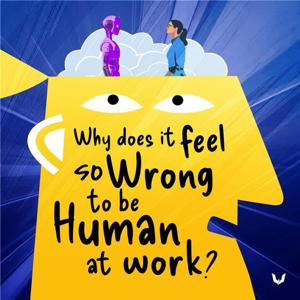


Season 1, Episode 6: Why Does It Feel So Wrong to Reply All?
Episode Description:
“Please stop replying all!”
We’ve all been there—caught in a reply-all email spiral that devolves into chaos, memes, and all-caps shouting. But why does a seemingly harmless function like "Reply All" evoke such strong emotions?
In this fun and thought-provoking episode of Why Does It Feel So Wrong to Be Human at Work?, hosts Pinaki Kathiari and Chris Lee unpack the infamous reply-all storm—and use it as a springboard to explore the bigger problem of digital communication at work.
Together, they explore:
From hilarious horror stories to serious tips about psychological safety and leadership communication, this episode will change how you think about emails—and how you send them.
Timestamps:
Books & Resources:
Gallagher’s State of the Sector 2023 Report – Internal Comms Trends
Reuters #ReplyAllGate (2015)
Local Wisdom – Communication Combo Meals Template
Mic-Drop Moments:
“A reply-all storm is the road rage of digital work.”
“Email is a tool—not a conversation.”
“Great leaders don’t just communicate more. They communicate better.”
Connect with Us:
Pinaki Kathiari – LinkedIn | Local Wisdom
Chris Lee – LinkedIn | Gallagher Communication
Special Thanks:
Huge thanks to our listeners for being part of the conversation. Shoutout to Local Wisdom for building tools like Communication Combo Meals to help teams navigate the chaos, and to Gallagher for leading the charge in internal comms research.
We Want to Hear from You:
When was the last time you were caught in a reply-all disaster? Did you reply… or ride it out? Drop your story on LinkedIn, TikTok, or send us a note at [email protected].
Visit whydoesitfeelsowrong.com for more conversations on making work feel right.
Connect with Us
Pinaki Kathiari – LinkedIn | Local Wisdom
Chris Lee – LinkedIn | Gallagher Communication
Bree Bartos – LinkedIn | Local Wisdom
Special thanks to digital communication agency Local Wisdom (www.localwisdom.com) for really believing in our mission and making this podcast possible.
If this episode made you think differently, laugh, or even yell out loud, we want to hear about it! Connect with us on LinkedIn, and don’t forget to rate, review, and share – maybe with your work bestie… or even your boss if you're feeling bold.
We also bring these important conversations to conferences and private workshops, creating space for real, meaningful change. Take the first step at www.whydoesitfeelsowrong.com.
Hosted by Simplecast, an AdsWizz company. See pcm.adswizz.com for information about our collection and use of personal data for advertising.
Season 1, Episode 5: Why Does It Feel So Wrong to Not Use Corporate Jargon?
Episode Description:
We’ve all heard it: “Let’s circle back.” “Let’s leverage synergies.” “Let’s operationalize the low-hanging fruit.” But… why?
In this satirical yet insightful episode of Why Does It Feel So Wrong to Be Human at Work?, hosts Pinaki Kathiari and Chris Lee break down the awkward truth behind why corporate jargon is so widespread—and why not using it feels like professional heresy. They explore the origins of business buzzwords, the hidden power dynamics behind them, and how this language affects authenticity, inclusion, and even promotions at work.
You’ll laugh, cringe, and probably recognize your own emails in this one.
They explore:
Whether you’ve ever “shifted a paradigm” or just wanted to say “no” in fewer than 200 words—this one’s for you.
Timestamps:
Books & Resources:
The Elements of Style by Strunk & White
Harvard Business Review – Why We Use Jargon—and When It Hurts Us
Local Wisdom – Communication support for modern teams
Mic-Drop Moments:
“If I have to tell you to be authentic, you’re not being authentic.”
“We’re not just speaking a second language—we’re building walls with it.”
“A long email doesn’t mean you worked hard. It means you didn’t edit.”
Connect with Us:
Pinaki Kathiari – LinkedIn | Local Wisdom
Chris Lee – LinkedIn | Gallagher Communication
Special Thanks:
To the brilliant minds and big hearts at Local Wisdom for challenging the way we communicate, and to SBX Productions for turning corporate buzz into comedy gold. Extra thanks to our listeners—may your next email be one sentence shorter.
Try This:
🎯 Create your own Buzzword Bingo Card.
📝 Write one email this week in plain English.
🎙️ Or better yet, forward this episode to that colleague who loves a good "synergy."
Visit whydoesitfeelsowrong.com for more episodes—and less jargon.
Connect with Us
Pinaki Kathiari – LinkedIn | Local Wisdom
Chris Lee – LinkedIn | Gallagher Communication
Bree Bartos – LinkedIn | Local Wisdom
Special thanks to digital communication agency Local Wisdom (www.localwisdom.com) for really believing in our mission and making this podcast possible.
If this episode made you think differently, laugh, or even yell out loud, we want to hear about it! Connect with us on LinkedIn, and don’t forget to rate, review, and share – maybe with your work bestie… or even your boss if you're feeling bold.
We also bring these important conversations to conferences and private workshops, creating space for real, meaningful change. Take the first step at www.whydoesitfeelsowrong.com.
Hosted by Simplecast, an AdsWizz company. See pcm.adswizz.com for information about our collection and use of personal data for advertising.
Season 1, Episode 4: Why Does It Feel So Wrong to Be Yourself at Work? (with Priya Bates)
Episode Description:
How much of yourself do you really bring to work—and how much do you feel you have to leave behind to fit in?
In this heartfelt and thought-provoking episode of Why Does It Feel So Wrong to Be Human at Work?, hosts Pinaki Kathiari and Chris Lee welcome special guest Priya Bates, award-winning internal communications strategist, co-founder of A Leader Like Me, and author of Building a Culture of Inclusivity. Together, they unpack the emotional, cultural, and organizational barriers that make authenticity feel risky—and why belonging is the true foundation of diversity, equity, and inclusion.
They explore:
With real stories, practical takeaways, and unfiltered honesty, this episode challenges listeners to rethink what inclusion feels like—not just what it looks like on a spreadsheet.
Timestamps:
Books & Resources:
Mic-Drop Moments:
“Belonging means you can show up with all of who you are—and be valued for it.”
“Diversity without inclusion is decoration. Inclusion without belonging is just obligation.”
“The goal isn’t to erase differences. It’s to appreciate them.”
Connect with Us:
Pinaki Kathiari – LinkedIn | Local Wisdom
Chris Lee – LinkedIn | Gallagher Communication
Special Thanks:
We’re deeply grateful to Priya Bates for joining this conversation and sharing her leadership, vulnerability, and vision for a more inclusive world of work. Thanks to the entire Local Wisdom and SBX Productions teams for helping us make space for the conversations that matter most.
Let’s Talk About Belonging:
Do you feel like you can be yourself at work? What’s helped—or hurt—that feeling? Share your reflections with us on LinkedIn, TikTok, or at whydoesitfeelsowrong.com. Let’s keep making workplaces feel more human, one honest conversation at a time.
Connect with Us
Pinaki Kathiari – LinkedIn | Local Wisdom
Chris Lee – LinkedIn | Gallagher Communication
Bree Bartos – LinkedIn | Local Wisdom
Special thanks to digital communication agency Local Wisdom (www.localwisdom.com) for really believing in our mission and making this podcast possible.
If this episode made you think differently, laugh, or even yell out loud, we want to hear about it! Connect with us on LinkedIn, and don’t forget to rate, review, and share – maybe with your work bestie… or even your boss if you're feeling bold.
We also bring these important conversations to conferences and private workshops, creating space for real, meaningful change. Take the first step at www.whydoesitfeelsowrong.com.
Hosted by Simplecast, an AdsWizz company. See pcm.adswizz.com for information about our collection and use of personal data for advertising.
Season 1, Episode 3: Why Does It Feel So Wrong to Take the Afternoon Off?
Episode Description:
Ever feel guilty for stepping away from work before 5 p.m.—even when you’ve met your goals? You’re not alone.
In this insightful episode of Why Does It Feel So Wrong to Be Human at Work?, hosts Pinaki Kathiari and Chris Lee take a hard look at how we've been conditioned to treat time as the ultimate currency—and why that’s no longer serving us. From personal stories to historical deep-dives, they break down the emotional and cultural baggage tied to “leaving early,” and how organizations can create healthier, more human-first time policies.
They explore:
From bartering wheat to tracking hours with timecards, to tracking outcomes over presence, this episode makes the case for trust as the new workplace currency.
Timestamps:
Books & Resources:
When: The Scientific Secrets of Perfect Timing by Daniel Pink
The Confidence Code by Katty Kay & Claire Shipman
Four-Day Workweek Global Pilot Study (2023 Results)
Mic-Drop Moments:
“If you don’t have the flexibility to work when you’re at your best—are we really getting your best?”
“Unlimited PTO means nothing if the culture tells you not to use it.”
“Trust is the new currency of an evolved leader.”
Connect with Us:
Pinaki Kathiari – LinkedIn | Local Wisdom
Chris Lee – LinkedIn | Gallagher Communication
Special Thanks:
Big shoutout to Local Wisdom for championing people-first work culture, to our brilliant producer Brielle Seracini, and to the production magic of SBX Productions for helping this episode come to life.
Take the Afternoon Off—Then Tell Us About It:
Check your calendar. Find a 2–3 hour block in the next two weeks. Schedule a meeting with yourself and label it “Why Does It Feel So Wrong?” Then actually do something that feels right—take a walk, watch a movie, take a nap. Snap a pic and tag us with #WhyDoesItFeelSoWrong. Your future self will thank you.
Connect with Us
Pinaki Kathiari – LinkedIn | Local Wisdom
Chris Lee – LinkedIn | Gallagher Communication
Bree Bartos – LinkedIn | Local Wisdom
Special thanks to digital communication agency Local Wisdom (www.localwisdom.com) for really believing in our mission and making this podcast possible.
If this episode made you think differently, laugh, or even yell out loud, we want to hear about it! Connect with us on LinkedIn, and don’t forget to rate, review, and share – maybe with your work bestie… or even your boss if you're feeling bold.
We also bring these important conversations to conferences and private workshops, creating space for real, meaningful change. Take the first step at www.whydoesitfeelsowrong.com.
Hosted by Simplecast, an AdsWizz company. See pcm.adswizz.com for information about our collection and use of personal data for advertising.
Season 1, Episode 2: Why Does It Feel So Wrong to Say “No” at Work?
Episode Description:
Saying “no” at work feels risky—sometimes even dangerous. But why?
In this powerful and vulnerable episode of Why Does It Feel So Wrong to Be Human at Work?, co-hosts Pinaki Kathiari and Chris Lee dig deep into why the simple act of saying “no” can feel like an act of rebellion. Through personal stories, workplace psychology, and reflections on culture and leadership, they unpack how power dynamics, fear, and outdated paradigms have made dissent feel taboo in today’s corporate environment.
Together, they explore:
This episode connects history, parenting, neuroscience, and communication strategy into one eye-opening conversation that’ll have you rethinking how your team talks—and how it listens.
Timestamps:
Books & Resources:
Mic-Drop Moments:
“We’re conditioned to say yes, but innovation depends on the courage to say no.”
“Psychological safety isn’t about comfort. It’s about performance without fear.”
“If your team can’t disagree with you, you don’t have a team. You have followers.”
Connect with Us:
Pinaki Kathiari – LinkedIn | Local Wisdom
Chris Lee – LinkedIn | Gallagher Communication
Special Thanks:
To our community of listeners—thank you for creating space for hard truths and human-first leadership. Special shoutout to Brielle Seracini and our production team at SBX Productions for helping us amplify these conversations.
Join the Conversation:
When was the last time you said “no” at work—and meant it? Did it feel empowering or terrifying? Share your stories, insights, and questions in the comments or at whydoesitfeelsowrong.com.
Connect with Us
Pinaki Kathiari – LinkedIn | Local Wisdom
Chris Lee – LinkedIn | Gallagher Communication
Bree Bartos – LinkedIn | Local Wisdom
Special thanks to digital communication agency Local Wisdom (www.localwisdom.com) for really believing in our mission and making this podcast possible.
If this episode made you think differently, laugh, or even yell out loud, we want to hear about it! Connect with us on LinkedIn, and don’t forget to rate, review, and share – maybe with your work bestie… or even your boss if you're feeling bold.
We also bring these important conversations to conferences and private workshops, creating space for real, meaningful change. Take the first step at www.whydoesitfeelsowrong.com.
Hosted by Simplecast, an AdsWizz company. See pcm.adswizz.com for information about our collection and use of personal data for advertising.
Season 1, Episode 1 (Live): Why Does It Feel So Wrong to Be Human at Work?
Episode Description:
Recorded live at the IABC World Conference 2023 in Toronto, this debut episode kicks off the Why Does It Feel So Wrong to Be Human at Work? podcast with a bold question: Are we slowly unlearning our own humanity at work?
Co-hosts Pinaki Kathiari (CEO, Local Wisdom) and Chris Lee (VP at Gallagher, President of IABC Toronto) take the stage to explore why workplace norms—from performance reviews to thank-you notes—often feel mechanical, outdated, or just plain wrong.
In front of a live audience, they break down:
This unscripted, high-energy conversation mixes storytelling, audience interaction, and honest reflections on what it really means to be human in today’s corporate culture.
Timestamps:
Books & Resources:
Mic-Drop Moments:
“Why does it feel wrong to spend five minutes thanking someone, but not five hours chasing a spreadsheet?”
“If you have to explain authenticity, it stops being authentic.”
“Being human isn’t a distraction from work—it is the work.”
Connect with Us:
Pinaki Kathiari – LinkedIn | Local Wisdom
Chris Lee – LinkedIn | Gallagher Communication
Special Thanks:
A heartfelt thank-you to the International Association of Business Communicators (IABC), María Jesús Villagrán Cabanne, Letty Wong, and the entire IABC World Conference crew for helping us make podcast history on stage. And to our live audience—you brought the energy, vulnerability, and validation this show is all about.
Get Curious With Us:
What’s one thing you do at work that you’ve never questioned—until now? That’s where the unlearning starts. Hit play, subscribe, and follow along as we unravel the little (and not-so-little) things that make work feel… not-so-human.
Visit whydoesitfeelsowrong.com to learn more.
Connect with Us
Pinaki Kathiari – LinkedIn | Local Wisdom
Chris Lee – LinkedIn | Gallagher Communication
Bree Bartos – LinkedIn | Local Wisdom
Special thanks to digital communication agency Local Wisdom (www.localwisdom.com) for really believing in our mission and making this podcast possible.
If this episode made you think differently, laugh, or even yell out loud, we want to hear about it! Connect with us on LinkedIn, and don’t forget to rate, review, and share – maybe with your work bestie… or even your boss if you're feeling bold.
We also bring these important conversations to conferences and private workshops, creating space for real, meaningful change. Take the first step at www.whydoesitfeelsowrong.com.
Hosted by Simplecast, an AdsWizz company. See pcm.adswizz.com for information about our collection and use of personal data for advertising.
Make sure to subscribe to the show! The season begins in June
Connect with Us
Pinaki Kathiari – LinkedIn | Local Wisdom
Chris Lee – LinkedIn | Gallagher Communication
Bree Bartos – LinkedIn | Local Wisdom
Special thanks to digital communication agency Local Wisdom (www.localwisdom.com) for really believing in our mission and making this podcast possible.
If this episode made you think differently, laugh, or even yell out loud, we want to hear about it! Connect with us on LinkedIn, and don’t forget to rate, review, and share – maybe with your work bestie… or even your boss if you're feeling bold.
We also bring these important conversations to conferences and private workshops, creating space for real, meaningful change. Take the first step at www.whydoesitfeelsowrong.com.
Hosted by Simplecast, an AdsWizz company. See pcm.adswizz.com for information about our collection and use of personal data for advertising.
From the publisher's feed