
Sign up to save your podcasts
Or

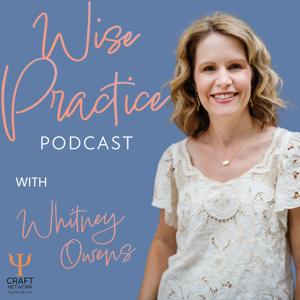


In this enlightening episode of the "Wise Practice Podcast," Whitney Owens, a seasoned therapist and faith-based practice consultant, sits down with the dynamic duo, Colleen and Shaun Wenner. With Colleen boasting 29 years of marriage experience and both bringing a unique blend of wisdom and confidence, they discuss the journey of their counseling world partnership and the growth of their practice, New Heights Counseling.
The Essence of Small Groups in Practice"Small groups... provide a platform for sharing ideas and not feeling isolated," Colleen emphasizes. These groups have become a cornerstone in the community, offering therapists a sounding board and ensuring they don't tread the challenging waters of practice alone. Shaun adds, "Once you are plugged into a group... you don't have to do it alone." This sentiment resonates with many in the field, highlighting the importance of community and shared experiences.
The Struggles of Hiring a Clinical DirectorColleen and Shaun Wenner have grappled with several challenges in their quest to hire a clinical director for their practice. They've been deliberating over the idea, with Colleen expressing that while she has a general sense of what she desires in a clinical director, she's uncertain about the full scope of what the role could encompass. They aim for an ideal candidate who can manage a full-time caseload while also overseeing supervision. Financial considerations also weigh heavily on their minds, as they want to ensure that the compensation package they offer aligns with the candidate's expectations and experience. Shaun underscores the importance of identifying the right character traits and personality for the role. Additionally, Colleen has reservations about the hiring model, debating between a W2 employee and a contractor, and the implications each might have on commitment and integration into their practice's ethos. Their past hiring efforts have often yielded candidates with limited experience, further complicating their search for the perfect fit.
Roles and Responsibilities: Behind the Scenes at New Heights CounselingDiving deeper into the operations of New Heights Counseling, Colleen, the clinical director, shares her passion for training and ensuring therapists maintain a healthy work-life balance. On the other hand, Shaun, wearing multiple hats, manages social media, finance, and HR. Their combined efforts have seen the practice flourish, with a team of seven therapists and three administrators. "I'm pretty consumed... reading everybody's notes," Colleen admits, highlighting the demanding nature of her role.
Tips for Hiring a Clinical DirectorThis episode sheds light on the importance of community, both within a practice and in the broader therapist community. Whitney, Colleen, and Shaun provide valuable insights into the challenges and rewards of running a faith-based practice. Their experiences and tips serve as a beacon for other therapists navigating the integration of faith and psychology in their businesses. As Whitney aptly puts it, "Do what only you can do. Let somebody else do everything else." This episode is a must-listen for those looking to grow their practice while staying true to their faith-based values.
Learning ActivityRegister for - How to Double Your Practice in One Year Wbinar Nov 6, 2023, 01:00 PM in Eastern Time Zone
Learn about more events from Whitney Owens at the Events Page
Alma - Your private practice support system
Wise Practice Community Membership: Doors open for the Wise Practice Membership Community November 6th - 8th
Whitney Ownes on Instagram
Check the podcasts on the PsychCraft Network: PsychCraftnetwork.com
New Heights Counseling
New Heights Counseling on Facebook
New Heights Counseling on Twitter
New Heights Counseling on LinkedIn
New Heights Counseling on Pinterest
New Heights Counseling on Instagram
Podcast Production and Show Notes by Course Creation Studio
In this episode of the "Wise Practice Podcast," host Whitney Owens, a seasoned therapist and faith-based practice consultant, engages in a candid conversation with Bryan Purcell. Bryan, at the early stages of his practice, delves into the emotional rollercoaster of starting a practice and the challenges of marketing it effectively.
The Emotional Journey of Starting a Practice:Bryan Purcell shares his raw and relatable experiences in the initial weeks of running his practice. "The emotional experience has been very human. There are moments... where I feel completely hopeful and filled with faith... and then there are days where I feel anxiety and maybe even a little panic," Bryan reveals. This section resonates with many in the counseling field, highlighting the highs and lows of embarking on a new professional journey.
Effective Marketing and Tracking Referrals:Whitney emphasizes the paramount importance of tracking where referrals originate. "Whatever you do, you're tracking it... Sadly, a lot of people put their efforts into things that aren't working," she advises. Bryanacknowledges the value of this approach, mentioning his use of a tracking sheet from the wise practice community page. This segment offers invaluable insights into the significance of understanding and optimizing marketing strategies based on tangible results.
Building and Nurturing Professional Relationships:One of the episode's standout moments is the discussion on the power of appreciation in nurturing professional relationships. Whitney suggests, "If somebody sends you a referral, thank them for the referral... It just shows that you took that extra effort." This gesture, as simple as it may seem, can be a game-changer in fostering long-term professional connections.
Tips for Integrating Faith and Business:For those at the intersection of faith and psychology, Bryan's appreciation of the faith-based perspective in the wise practice community is a beacon of encouragement. Whitney underscores the importance of faith-based practice owners finding their tribe and support system. She passionately states, "I also really want faith-based practice owners to be able to incorporate faith and to meet one another and find that community."
Advice from the Episode To Build Your PracticeTrack Referrals: Whitney emphasizes the importance of tracking where referrals are coming from. This helps in understanding which marketing efforts are working and which aren't.
Ask for Feedback: When people contact Bryan, especially through platforms like Psychology Today, Whitney suggests asking them what specifically about his profile spoke to them. This can provide insights into what's resonating with potential clients.
Follow-Up and Show Appreciation: Whitney advises sending thank you notes or messages to those who refer clients, even if the client doesn't end up working with Bryan. This nurtures relationships and increases the likelihood of future referrals.
Clarify Your Niche: When receiving referrals, especially from family or friends, it's essential to clarify the types of clients you enjoy working with. This ensures that future referrals are more aligned with your specialty.
Networking: Whitney suggests setting a goal for networking, such as having a meeting or a phone call with one potential referral source per week. This consistent effort can lead to long-term growth.
Invest in Your Business and Personal Growth: Whitney emphasizes the importance of taking time every week to invest in growing your business and personal development. This could include attending therapy, business consulting, or participating in community meetings.
SEO (Search Engine Optimization): Whitney recommends investing time in understanding and implementing SEO for Bryan's website. She suggests taking courses on SEO and consistently working on the website to improve its visibility on search engines.
Consistency: Whether it's podcasting, updating the website, or any other marketing effort, Whitney highlights the importance of being consistent. Over time, consistent efforts can lead to exponential growth.
This episode of the "Wise Practice Podcast" serves as a treasure trove of insights for those navigating the challenges of starting and marketing a faith-based practice. From the emotional intricacies of embarking on a new venture to the practicalities of effective marketing and the power of gratitude in professional relationships, Whitney Owens and Bryan Purcell provide a roadmap for integrating faith and business seamlessly.
Learning ActivityRegister for - How to Double Your Practice in One Year Wbinar Nov 6, 2023, 01:00 PM in Eastern Time Zone
Alma - Your private practice support system
Wildwood Creative - Let us help you bring your unique story to life in a way that is authentic, compelling, and unforgettable.
Bryan Purcell Counseling
Wise Practice Summit
Whitney Ownes on Instagram
Check the podcasts on the PsychCraft Network: PsychCraftnetwork.com
Podcast Production and Show Notes by Course Creation Studio
In today's episode, we delve deep into one of the most pressing challenges faced by therapy practices: hiring and effectively integrating new therapists. As practices grow and evolve, ensuring a steady influx of skilled therapists becomes paramount. Yet, the journey from identifying potential hires to ensuring they have a full caseload is riddled with complexities. Join Whitney Owens as she offers invaluable insights and practical advice to Heidi Schnakenberg, navigating the intricate maze of hiring and filling caseloads. Whether you're a seasoned practice owner or just starting out, this episode promises to shed light on the intricacies of expanding your team and ensuring success for both your practice and your therapists.
The Challenges of Insurance in Practice:Navigating the world of insurance can be daunting. From the tediousness of benefits checks to the demands of insurance companies, practitioners often find themselves grappling with late payments and sometimes even earning less than they deserve. However, platforms like Alma aim to simplify this process. With Alma, practitioners can get credentialed within 45 days, access enhanced reimbursement rates, and ensure timely payments. As Whitney highlights, "Once you've joined Alma's program, you can see clients in your state of licensure, regardless of where you're working from."
The Evolution of Hiring in Practice:Hiring remains a pivotal topic within group practice ownership. Whitney shares her insights on the transition from solo to group practice ownership, emphasizing the need for clarity in defining the mission. Through live consulting with Heidi, a friend and fellow practitioner, the episode sheds light on the hiring process and the challenges of filling therapists' caseloads.
The Role of Faith in Hiring:Faith-based practices bring a unique perspective to the hiring process. Whitney reflects on the scarcity of faith-based practice podcasts and underscores the importance of faith in shaping the mission of a practice. As she aptly puts it, "It's important when you're thinking about hiring to hire people that can cultivate the culture and mission that you're creating in your practice."
The hiring process is multifaceted, with considerations ranging from insurance intricacies to the role of faith in shaping a practice's mission. As practitioners navigate this journey, it's crucial to remain anchored in their mission and values, ensuring that every hire aligns with the envisioned culture and ethos of the practice.
The Hiring Challenge for TherapistsHiring the right therapist is a challenge many group practice owners face. Heidi shares her experiences, saying, "I feel like when I have a person who has openings, then the referrals aren't coming." Whitney offers valuable advice, emphasizing the importance of feedback: "I love how you're following up with people and asking them why they didn't want to work at your practice."
Hiring Advice for TherapistsFeedback from Potential Hires: Whitney appreciates Heidi's approach of following up with potential hires to understand why they chose not to work at her practice. This feedback can be invaluable for making necessary changes. Whitney mentions, "I love how you're following up with people and asking them why they didn't want to work at your practice."
Benefits for Employees: Whitney acknowledges the importance of offering benefits to employees. While it might be challenging for Heidi's practice size to offer benefits now, it's something to consider for the future.
Increasing Current Therapist Hours: Whitney suggests considering asking current therapists, like Rebecca, to work more hours if they are willing and if there's a demand. This can be a temporary solution while looking for the right hires.
Client Acquisition through SEO: Whitney emphasizes the importance of Search Engine Optimization (SEO) for acquiring clients. She mentions that her practice gets over 50% of its referrals through Google. She advises Heidi to ensure she has a well-designed website and to focus on SEO as it's a long-term investment that keeps giving returns.
Google My Business and Reviews: Whitney stresses the importance of having a Google My Business account and accumulating reviews. She suggests Heidi to get reviews from family, friends, and colleagues (but not clients) to boost her practice's online reputation. Whitney says, "Google my business. Do you have that for your business? ... Get reviews. Heidi, it would be easy."
Insurance Panels: Whitney suggests considering adding another insurance panel that's well-known in Heidi's area to attract more clients. She mentions, "One thing you could consider, because you already have all the systems in, or the processes in place for taking insurance, is adding another panel that's well known in your area.
Community Engagement: Whitney emphasizes the importance of engaging with the community, such as offering training sessions, speaking at schools or churches, and cultivating relationships with local entities like school counselors.
Balancing Referrals and Hiring: Whitney acknowledges the challenge of balancing client referrals with hiring new therapists. She mentions the difficulty in predicting the number of clients a new hire might get and how this uncertainty can deter potential hires.
This episode provides a treasure trove of insights for therapists looking to navigate the challenges of insurance, client referrals, and hiring. As Heidi reflects on her journey, she says, "I did the whole SEO thing. So I'm hoping it just takes some time." Whether you're a solo practitioner or running a group practice, the wisdom shared by Whitney and Heidi is sure to resonate and inspire.
Show SponsorAlma - Your private practice support system
Mentaya - Use the code "Wise" for a free month. As a therapy client, we help you understand your out-of-network benefits and take care of superbills/insurance claims to get you on average, 70% of your money back on therapy.
Solace Counseling
Social Media Handles
Solace Counseling on Facebook
Solacelpc on Instagram
Wise Practice Summit
Whitney Ownes on Instagram
Check the podcasts on the PsychCraft Network: PsychCraftnetwork.com
Podcast Production and Show Notes by Course Creation Studio
Hey there, wonderful readers! We all dream of having a little extra cash in our pockets, don't we? Today, let's dive into the exciting world of adding more streams of income. It's like having multiple baskets of golden eggs! 🌟
The Magic of Profitability:When we talk about earning more, it's not just about filling our piggy banks. It's about doing more good in the world. Lindsey, a passionate social worker, believes that profitability allows her to help more people and take care of her loved ones. It's not about being rich; it's about having the means to make a difference.
Why Consider Multiple Income Streams?Imagine you have a beautiful garden. If you only plant one type of flower and it doesn't bloom, your garden looks empty. But if you plant various flowers, there's always something blooming! Similarly, having multiple income sources means if one doesn't work out, others can keep you going.
Questions for Adding More Income Streams:"To start off, could you share your primary goals for your therapy practice? What's your vision for the future?"
"Are you currently leveraging any platforms or methods to share your therapy journey and connect with potential clients?"
"In terms of expanding your practice, are you looking for methods that align with your passion and personal interests, or are you open to exploring diverse avenues?"
"Have you considered collaborating with local community centers or religious institutions to offer workshops or group therapy sessions?"
"Do you have a social media presence? If so, what kind of audience do you believe you attract the most?"
"Are you open to offering online group sessions or workshops that can cater to a wider audience, not just limited to your locality?"
"When are you planning to launch any new services or offerings? Do you have a timeline in mind?"
"Have you received any feedback or sign-ups for your upcoming services or workshops?"
"How do most of your clients discover your services? Is it through word of mouth, social media, or other channels?"
"Given the digital age, how do you feel about using social media to promote your therapy practice? Do you have any reservations?"
Adding more income streams might sound challenging, but with passion and persistence, it's achievable. Remember, it's not just about money; it's about creating a better future for yourself and others. So, dream big, take that leap, and watch your garden of opportunities bloom! 🌸
Sponsor LinksAlma - Your private practice support system
Wildwood Creative - Let them tell your unique story and bring it to life today
@evercarecounseling on instagram
@lindseypace on instragram
Evercare Counseling - Evercare Counseling exists to alleviate the suffering of the mind, body, and spirit that results from stress, anxiety, OCD, and depression. We are passionate about helping you move from a life of fear and doubt towards a life that is full and flourishing. We offer in person therapy in Clemmons, North Carolina and serve clients virtually throughout North Carolina, Virginia, and Florida.
Wise Practice Summit
Whitney Ownes on Instagram
Check the podcasts on the PsychCraft Network: PsychCraftnetwork.com
Podcast Production and Show Notes by Course Creation Studio
In this enlightening episode of the Wise Practice Podcast, host Whitney Owens engages in a thoughtful conversation with Jeremy Sharp, a consultant and podcast host who specializes in psychological testing and assessment. Jeremy brings a unique perspective to the table, sharing his experiences with hosting retreats aimed at professionals in the testing field. He calls these retreats the "anti-conference," a space for learning, networking, and personal growth.
About Jeremy SharpJeremy is a licensed psychologist and owner of the Colorado Center for Assessment & Counseling, a private practice that was founded in 2009 and has grown to over 40+ clinicians and staff. These days, I specialize in the psychological and neuropsychological evaluation of kids and adolescents. As the host of the Testing Psychologist Podcast, he provides private practice consulting for psychologists and other mental health professionals who want to start or grow psychological testing services in their practices.
The Importance of Routine and Eliminating Decision FatigueJeremy Sharp emphasizes the value of a structured daily routine in achieving work-life balance. He believes that a predictable schedule helps eliminate decision fatigue, allowing him to focus his mental energy on significant business ideas and challenges. "I'm trying to eliminate decision fatigue because I want to save all of my mental energy for the work at hand," Jeremy states.
The Role of Retreats in Professional and Personal GrowthRetreats serve as a catalyst for inspiration and change, according to both Whitney and Jeremy. These events offer a break from the daily grind and provide an opportunity for professionals to work "on the business instead of in the business." Jeremy notes that retreats have been instrumental in inspiring changes in his practice. "It's been on retreats where I have been the most inspired and made changes in my practice," Whitney adds.
Balancing Work Retreats and Family LifeThe discussion delves into the challenges of balancing work-related retreats with family commitments. Jeremy shares his experience of feeling guilty when leaving his family but acknowledges that these retreats are a necessity for both personal and professional growth. He and his wife have an understanding that they will both take time away from home for professional development. "We both understand each year, like, we're both going to be gone for four or five days at a time, two or three times a year," Jeremy explains.
Action StepsEvaluate your daily routine to eliminate decision fatigue.
Consider incorporating retreats into your professional development plan.
Have an open discussion with your family about the importance of these retreats and find a balance that works for everyone.
This episode offers invaluable insights into the power of retreats and structured routines in achieving professional success and personal well-being. Whether you're a seasoned therapist or a business owner looking to integrate faith and psychology into your practice, this episode provides practical tips and action steps to help you move forward. Don't miss out on this enriching conversation that could be the catalyst for your next big business idea or personal transformation.
Show SponsorsWildwoods Creative - Wildwood Creative is all about passionate storytelling. They specialize in capturing the essence of your brand through stunning photography and videography. At Wildwood Creative, the most powerful visuals are those that evoke an emotional response and leave a lasting impression. With Wildwood Creative, finding a way to make an impact on your audience is easy. Let them tell your unique story and bring it to life today. Bring your story to life
The Testing Psychologist
The Testing Psychologist on Facebook
Wise Practice Summit
Whitney Ownes on Instagram
Check the podcasts on the PsychCraft Network: PsychCraftnetwork.com
Podcast Production and Show Notes by Course Creation Studio
In this enlightening episode of the "Wise Practice Podcast," host Whitney Owens engages in a profound conversation with Christie Orosz, LPCC-S, about the significance of integrating faith into counseling practices. Christie, a passionate advocate for the marriage relationship, emphasizes the importance of alignment in values, especially when it comes to the sanctity of marriage. She believes that the bond between two individuals is foundational for personal health, child-rearing, and professional life.
The Challenge of Defining a Christian TherapistChristie raises a thought-provoking question: What defines a Christian therapist? While many individuals identify as Christian, alignment in faith-based values can vary significantly. Christie seeks therapists who genuinely pursue an active relationship with God. However, she acknowledges the diversity in how faith is lived out and practiced. The challenge lies in discerning genuine passion for faith from mere identification.
The Balance of Skill and FaithDrawing a parallel with medical professions, Christie reflects on the dilemma of choosing between a skilled therapist and one who aligns with Christian values. She asks, "Would one choose a Christian cardiologist over a highly skilled and experienced one?" The essence is to strike a balance, learning from skilled therapists, irrespective of their faith, while ensuring respect for faith-based practitioners.
Tips for Faith-Based HiringClarity in Mission: Understand the core values and mission of your practice. This will guide your hiring decisions.
Open Conversations: Engage in open dialogues during interviews. Discuss faith, but also focus on skills, experience, and therapeutic approaches.
Respect Diversity: Recognize that faith is diverse. What's essential is a genuine relationship with God and a passion for integrating faith into therapy.
The integration of faith and practice in counseling is a journey, one that requires introspection, clarity, and respect for diversity. As Whitney aptly puts it, every business decision is an experiment, and it's crucial to evolve and adapt based on experiences. This episode serves as a testament to the importance of aligning faith and professional values, ensuring that therapy remains a holistic process, addressing both the spiritual and emotional needs of clients.
Show SponsorAlma - Your private practice support system
Links and ResourcesMarried Life Counseling Web Page
Married Life Counseling on Facebook
Married Life Counseling on LinkedIn
Married Like Counseling on Instagram
Check the podcasts on the PsychCraft Network: PsychCraftnetwork.com
Podcast Production and Show Notes by Course Creation Studio
In this enriching episode of the "Wise Practice Podcast", host Whitney Owens engages in a profound conversation with Mor Goldberger, an associate MFT working towards her license and an MBA graduate based in Berkeley, California. As a new mom and a budding therapist, Mor shares her insights and experiences, making this episode a treasure trove of knowledge for therapists navigating the intricacies of discussing finances with clients.
Setting Clear Financial BoundariesMor emphasizes the importance of therapists establishing clear financial boundaries before engaging with clients. She suggests having a well-defined position on aspects such as sliding scales and session costs, documented preferably on paper. This preparation not only instills confidence in therapists but also prevents them from getting caught in uncomfortable situations where they might feel compelled to offer discounts impulsively. Mor shares, "It's really important to have a clear ideally... down on paper, a couple of bullets on what they are and aren't willing to accept."
Navigating the Tricky Terrain of Money ConversationsThe episode delves deep into the nuances of money conversations, with Mor offering invaluable advice on maintaining a steady pace and confidence during such discussions. She highlights the significance of not over-explaining the rationale behind the fees, as it might signal a lack of confidence. Mor advises, "They don't need to know that and it actually signals that you're not confident about your rate."
Bridging the Gap between Compassion and Financial StabilityMor and Whitney discuss the delicate balance therapists need to maintain between being compassionate and sustaining a financially stable practice. They touch upon the societal expectations that sometimes undervalue the financial needs of therapists. Drawing parallels with other professions, they encourage therapists to embrace the financial aspects of their practice without guilt.
Tips for a Smooth Transition to a Cash Pay ModelTransitioning from an insurance-based model to a cash pay model can be challenging. Mor introduces the audience to Mentaia, a platform that facilitates this transition by helping clients utilize their out-of-network benefits, potentially covering up to 80% of their session costs. This segment is packed with insights that can ease the transition for therapists contemplating this shift.
A Beacon of Support and InspirationIn conclusion, this episode stands as a beacon of support and inspiration for therapists, especially those integrating faith and psychology into their practice. Whitney and Mor, through their candid conversation, bring to the fore the unspoken challenges therapists face and offer solutions that are both practical and empowering. As Whitney mentions, this episode is a "great resource for helping me grow my private practice."
5 Do's and Don'ts for therapists on collecting cash in their private pay practiceDo Determine Your Position in Advance: Before engaging with clients, have a clear stance on your fee structure, including aspects like sliding scales and session costs. Document these details to avoid being caught off guard during financial discussions with clients.
Don't Over-Explain Your Fees: When discussing your fees with clients, avoid going into the detailed rationale behind your pricing. Over-explaining can signal a lack of confidence in your rates. As Mor suggests, state your rate clearly and confidently without feeling the need to justify it.
Do Maintain a Steady Pace During Money Conversations: During financial discussions, maintain a calm and steady pace to convey confidence. Avoid speaking too quickly as it might signal nervousness or lack of confidence.
Don't Rush Clients to a Decision: Allow clients the time to think about the investment they are about to make in therapy. Understand that therapy is a significant investment and it's okay for clients to take time to consider it.
Do Utilize Tools like Mentaya for Insurance Benefits: Introduce clients to platforms and tools that can help them utilize their out-of-network benefits, potentially covering a significant portion of their session costs, even if you are operating on a cash-pay model.
Wildwoods Creative - Wildwood Creative is all about passionate storytelling. They specialize in capturing the essence of your brand through stunning photography and videography. At Wildwood Creative, the most powerful visuals are those that evoke an emotional response and leave a lasting impression. With Wildwood Creative, finding a way to make an impact on your audience is easy. Let them tell your unique story and bring it to life today. Bring your story to life
Mentaya - Mentaya is offering 1 month free of their of their benefits calculator with Promo Code: WISE
Breaking Free in Belize 2024 - Get all the details about this life-changing event
Shrink Think - Digital Resources to Build Effective client-therapist relationships
Wise Practice Summit
Whitney Ownes on Instagram
Check the podcasts on the PsychCraft Network: PsychCraftnetwork.com
Podcast Production and Show Notes by Course Creation Studio
Hello lovely listeners. In today's enriching episode our brilliant host, Whitney Owens, engages in a profound conversation with the vibrant and experienced Diana Rice, a therapist with a diverse background and a deep understanding of the BIPOC community. Embark on a journey through their dialogue, filled with stories, wisdom, and warmth that seeks to touch hearts and open minds. Diana is a certified integrative mental health professional who prides herself in providing a "safe and inclusive space where clients can find healing and empowerment." Based in South Florida, she speaks warmly of her surroundings, noting the diverse population and the unique challenges and beauties that come with it.
In this episode, Whitney and Diana paint a vivid tapestry of experiences that explores the life journey of a BIPOC therapist, touching upon topics like personal resilience, fostering diversity in practice, and the intricate dance between cognitive behavioral therapy and cross-cultural sensitivities.
Embracing Diversity with GraceBoth Diana and Whitney echo the sentiment that as therapists, there is a need to cater to the diverse clientele, including the BIPOC community. They urge fellow therapists to approach this with a willingness to learn, grow, and foster inclusivity in their practices, highlighting the opportunities for healing and empowerment that lie within.
Diana passionately advocates for fostering diversity and inclusivity within the therapy space. She encourages therapists to actively seek out diverse groups and to offer their guidance and mentorship to aspiring counselors from various backgrounds. "Go to the black colleges. And see who's a mental health counselor and then become that qualified supervisor for them", she advises. Diana emphasizes the importance of respecting and acknowledging the wealth of knowledge and cultural awareness these new counselors bring to the table, fostering a space of understanding and mutual respect.
Creating a Safe Haven for Diverse Faith BackgroundsFurther into their discussion, Diana touches upon the interweaving of diverse faith backgrounds into therapy practice. She shares her approach to counseling clients from various religious backgrounds, emphasizing her role as a listener and guide, rather than imposing her beliefs onto others. "You're hiring me to help you because you're in a crisis. So this is not about, you know, I can help you with the clinical skills that I have. Yeah. Right. I am a believer in Jesus Christ. That is my guide post. That is my stability", she notes, underlining her commitment to providing a space where clients can feel accepted and understood, irrespective of their faith backgrounds.
Marketing to BIPOC Clients with Understanding and InclusivityDefining 'BIPOC': Diana and Whitney delve into the essence of the term 'BIPOC', which encapsulates Black, Indigenous People of Color. The discussion gradually steers towards fostering inclusivity and understanding within the community, urging for a mature and respectful dialogue.
Building Inclusivity in Practice: Diana passionately promotes diversity and inclusivity within the therapy space, encouraging therapists to mentor aspiring counselors from diverse backgrounds. She advises, "Go to the black colleges. And see who's a mental health counselor and then become that qualified supervisor for them".
Interweaving Faith: Diana discusses how she respects and incorporates diverse faith backgrounds into her therapy practices, underlining her role as a listener and guide.
Cultural Understanding for Therapists:Diana voices her concerns about the DSM not taking into account the spiritual and cultural aspects of various communities. She highlights the importance of understanding and respecting different cultures, urging professionals to be critical thinkers who are willing to question existing norms: "I had question after question after question, and one professor loved that I was spry and feisty like that. Questioning things."
Diana opened up about her initial experiences in the field around 2004, where she worked in a school with a significant number of therapists and psychiatric nurses. During this time, she observed a disconnect between the psychiatric system and the unique experiences and perspectives of people from different backgrounds, particularly those from the Caribbean. She stresses the importance of understanding where others are coming from, saying, "I just need to listen. To see where they're coming from..."
Tips when working with the BIPOC Community:Understand Before Labeling: Diana advocates for looking beyond diagnoses, urging therapists to first understand a client's background and personal experiences.
Building Community Relations: Engage with the community, seeking to genuinely understand their experiences through active and empathetic listening.
Encourage Critical Thinking: Encourage a spirit of questioning and critical thinking, especially regarding existing norms and systems within the psychiatric field.
Promote Cultural Understanding: Develop a deeper understanding and respect for the varied cultural and spiritual perspectives that clients bring into the therapy space.
In this heartwarming and insightful episode, Whitney and Diana have woven a rich tapestry of experiences, offering listeners a glimpse into the world of a BIPOC therapist navigating the complex landscapes of identity, diversity, and inclusivity in their practice. Through personal anecdotes and wise insights, this conversation invites listeners to rethink and reshape their perspectives on inclusivity and understanding.
Show SponsorsCheck the podcasts on the PsychCraft Network: PsychCraftnetwork.com
Mayan Rainforest Retreat: Breaking Free in Belize
Through The Valley Therapy
Through the Valley on Social Media: @throughthevalleytherapy
Diana S Rice Web page
Wise Practice Summit
Whitney Ownes on Instagram
Podcast Production and Show Notes by Course Creation Studio
Whether you're a seasoned practice owner with a growing team of therapists or a newcomer to the world of private practice, onboarding new therapists is a crucial process that sets the stage for success. In this blog post, we'll explore valuable insights shared by Nathan Hawkins and Aaron Potratz from their experience in group practice and their podcast, "Shrink Think," on the Wise Practice Podcast.
About AaronAaron is a Licensed Professional Counselor and Clinical Supervisor in Oregon, the owner of Discover Counseling, and the co-owner of Life Discovery Counseling Services.
He maintains his own client caseload while managing his group practices and supervising his counseling staff. Aaron is also a private practice consultant and co-hosts the Shrink Think Podcast with Nathan Hawkins.
About NathanNathan is a Licensed Professional Counselor and Clinical Supervisor in Oregon. He's the owner of Life Encounter Counseling and co-owner of Life Discovery Counseling Services - a multi-site group practice. Nathan maintains his own client caseload while managing and supervising his counseling staff, and still finds time to teach on occasion as an adjunct professor at Multnomah University in Portland, Oregon.
Why Onboarding MattersOnboarding therapists isn't just about paperwork and administrative tasks. It's an opportunity to ensure a smooth transition for new therapists and to align them with your practice's values and culture. As Nathan and Aaron highlight, therapists often come from various backgrounds, including community mental health or agency settings, and may be unfamiliar with the intricacies of private practice.
Key Considerations During OnboardingDifferentiating Between Employee and Contractor Models: Clarify the distinctions between employee (W-2) and contractor (1099) models. This includes understanding how taxes, benefits, and responsibilities differ for each category. Communicate this information clearly to new therapists to set expectations from the start.
Understanding the Private Practice Landscape: New therapists may be accustomed to the environment of agency work or community mental health. Introduce them to the unique aspects of private practice, including variations in client populations, paperwork requirements, and billing procedures.
Navigating Cash Pay and Insurance-Based Models: Explain the differences between cash pay and insurance-based practices. Ensure that therapists are well-informed about client payments, copays, insurance deductibles, and how to handle financial discussions professionally.
Client-Centered Onboarding: Equip therapists with essential skills to provide outstanding customer service to clients. This includes screening potential clients, scheduling, handling first sessions, effective communication, and maintaining appropriate documentation.
Imposter Syndrome and Provisional Licensure: Address challenges that provisionally licensed therapists might face, such as imposter syndrome and navigating the journey to full licensure. Encourage open conversations and provide support as they build their careers.
Building a Strong Practice Community: Emphasize the importance of therapists aligning with the practice's values and brand. This involves educating them on the practice's mission, policies, and expectations for maintaining a positive working environment.
Departure and Transition: Even when therapists leave the practice, the onboarding process continues. Inform therapists about what to expect when leaving the practice and how to handle transitions professionally, including clients, documentation, and ethical considerations.
Nathan and Aaron's podcast, "Shrink Think," offers an online platform called "Shrink Think Product" that provides digital resources for effective therapist onboarding. This platform offers video modules covering the essential topics and challenges discussed above. By utilizing these resources, practice owners can save time, ensure consistent training, and foster a knowledgeable team of therapists.
ConclusionOnboarding new therapists to your group practice is an opportunity to set clear expectations, foster a positive work environment, and equip therapists with the knowledge they need to thrive. By addressing key considerations and leveraging resources like the "Shrink Think Product," practice owners can streamline the onboarding process and create a foundation for successful and sustainable growth.
Remember, each therapist brings a unique perspective and set of experiences, making open communication and ongoing support essential components of the onboarding journey.
Show SponsorsCheck the podcasts on the PsychCraft Network: PsychCraftnetwork.com
Shrink Think - Digital Resources to Build Effective client-therapist relationships
Wise Practice Summit
Whitney Ownes on Instagram
Shrink Think on Instagram: @shrink.think
Shrink Think on Facebook: @shrinkthink
Podcast Production and Show Notes by Course Creation Studio
In this episode of the Wise Practice Podcast, your host, Whitney Owens, takes the mic for a solo show. With honesty and a deep connection to faith, Whitney shares her personal journey of facing challenges and finding strength amidst the storms of private practice. She reflects on the power of community, the significance of embracing dark moments, and the transformation that emerges on the other side. As a counselor and leader, she delves into the idea that difficulties often precede breakthroughs and that acknowledging our weaknesses can lead to profound growth.
Embracing the DarknessWhitney highlights the notion that difficult seasons and challenges often precede times of growth and transformation. She emphasizes the importance of leaning into these dark moments and finding solace in the midst of them. Drawing inspiration from her own experiences, she reminds listeners that even in times of struggle, God's presence and work can be felt, even if it's not immediately apparent. "God moves even when we are struggling," she says, highlighting the potential for strength and transformation that can arise from challenging times.
Finding Identity and PurposeReflecting on her own path and challenges, Whitney underlines the significance of knowing one's identity in Christ. She shares a personal story of a healing prayer experience, demonstrating how God uses our vulnerabilities and weaknesses to manifest His work. Whitney discusses how adversity can lead to discovering one's true calling and purpose, and how hardships can shape us into better leaders and therapists. "We move out of the place of knowing God's heart for us," she asserts, emphasizing that embracing one's identity in Christ can fuel significant growth and impact.
The Summit and Moving ForwardWhitney discusses the upcoming summit and its potential to be a space where the Holy Spirit is active in a business conference setting. She encourages listeners to embrace their faith and lean into their struggles, trusting that God is at work, even in the face of challenges. With a mix of vulnerability and enthusiasm, she shares her own experience of navigating dark seasons and emphasizes the importance of moving forward with confidence. "Keep pressing forward," she advises, reminding her audience that while difficulties may arise, God's love and guidance are ever-present.
Tips for Survival in Navigating Private Practice Storms:Embrace Dark Moments: Instead of avoiding difficult times, acknowledge and embrace them as opportunities for growth and transformation.
Seek Community: Reach out to a supportive community of peers, mentors, or fellow therapists who can provide encouragement and perspective during challenging seasons.
Know Your Identity: Ground yourself in your identity in Christ. Remember that you are beloved and chosen, even when facing uncertainty and adversity.
Find Strength in Weakness: Understand that God's work can shine through your vulnerabilities and weaknesses, allowing you to contribute and impact others in unique ways.
Hold onto Hope: Even in the midst of pain and suffering, maintain hope that there is something better on the other side of the storm. Trust in God's plans for you.
Lean into Faith: Embrace your faith as a source of strength, allowing it to guide you through difficult times and provide clarity when facing challenges.
Press Forward: Persevere through the hardships, knowing that God's presence is with you. Keep moving forward with determination and confidence.
Claim Transformation: Believe that adversity can lead to significant personal and professional growth. Accept challenges as opportunities to become a better leader and therapist.
Prioritize Self-Care: In the midst of challenging seasons, make self-care a priority. Take time for rest, reflection, and activities that bring you joy and renewal.
Attend the Summit: Consider participating in events like the Wise Practice Summit, where you can connect with like-minded individuals, share experiences, and experience the transformative power of faith in your practice.
Stay Open to God's Direction: Trust that God's guidance is leading you, even in the midst of uncertainty. Be open to the Holy Spirit's direction and let it guide your decisions and actions.
Reflect on Past Breakthroughs: Remind yourself of past instances when difficulties were followed by significant breakthroughs. Use these memories as motivation to keep moving forward during tough times.
Remember Your Calling: Reconnect with your calling as a therapist and leader. Remind yourself of the impact you can have on your clients and your community, even during challenging periods.
Practice Gratitude: Cultivate an attitude of gratitude, focusing on the blessings and positives in your life. Gratitude can provide a fresh perspective and boost your resilience.
Encourage Others: Extend your strength and wisdom to others who might be going through their own storms. Support and uplift fellow therapists, reminding them of their value and purpose.
Stay Rooted in Faith: Continue to lean into your faith, allowing it to guide your decisions, actions, and interactions with clients. Trust in God's plan, even when it's not immediately clear.
In this heartfelt episode of the Wise Practice Podcast, Whitney Owens shares her personal journey through difficult seasons and the profound transformations that can result from embracing challenges. With an emphasis on faith, community, and growth, Whitney's insights serve as a reminder that even in our darkest moments, God's work is at play, guiding us toward greater purpose and impact. As listeners, we are encouraged to lean into our identities in Christ, hold onto hope during tough times, and move forward with confidence, knowing that breakthroughs often follow the storms.
Show SponsorsThe Sassy Wealth Coach - New Mastermind Forming
Shrink Think - Digital Resources to Build Effective client-therapist relationships
Wise Practice Summit
Whitney Ownes on Instagram
Podcast Production and Show Notes by Course Creation Studio