
Sign up to save your podcasts
Or



On this episode of Expanded Perspectives the guys start the show off by talking about how Kyle is still terrified about the ongoing Alien invasion as a new video has been released by the government. The video shows a black orb moving above and descending down into the water while following a fleet of ships. Then Cam talks about his recent plumbing adventures and then they get into the news.
After the break, Kyle brings up some more upright walking canine sightings, sent in from some of our listeners. Werewolves are present in legends around the world. They were men with the ability (or compulsion) to turn into wolves, either through being bitten by a (were)wolf or through a satanic pact. Werewolves have obvious symbolic overtones. Man and wolf have long been enemies, and culture has typically seen the two as opposites: the essentially good and rational man, and the inherently evil and irrational wolf. To call someone a wolf was rarely a compliment (warriors excepted): in Anglo-Saxon law, outlaws were known as wulfheafod (‘wolf-head’), a reference to an earlier custom of tying a wolf’s head around anyone whose life was forfeit. Beyond allegory, however, history also furnishes us with supposedly genuine tales of werewolves who were discovered, tried, and usually executed. So why are there so many sightings still happening today?
Want to share your story? View all episodes
 By Expanded Perspectives

4.7
29392,939 ratings
On this episode of Expanded Perspectives the guys start the show off by talking about how Kyle is still terrified about the ongoing Alien invasion as a new video has been released by the government. The video shows a black orb moving above and descending down into the water while following a fleet of ships. Then Cam talks about his recent plumbing adventures and then they get into the news.
After the break, Kyle brings up some more upright walking canine sightings, sent in from some of our listeners. Werewolves are present in legends around the world. They were men with the ability (or compulsion) to turn into wolves, either through being bitten by a (were)wolf or through a satanic pact. Werewolves have obvious symbolic overtones. Man and wolf have long been enemies, and culture has typically seen the two as opposites: the essentially good and rational man, and the inherently evil and irrational wolf. To call someone a wolf was rarely a compliment (warriors excepted): in Anglo-Saxon law, outlaws were known as wulfheafod (‘wolf-head’), a reference to an earlier custom of tying a wolf’s head around anyone whose life was forfeit. Beyond allegory, however, history also furnishes us with supposedly genuine tales of werewolves who were discovered, tried, and usually executed. So why are there so many sightings still happening today?
Want to share your story?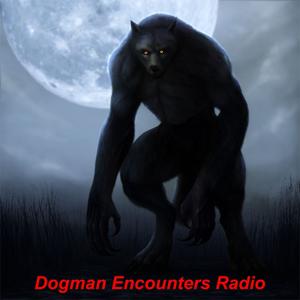
1,183 Listeners

1,207 Listeners

9,491 Listeners

5,585 Listeners

9,408 Listeners

1,531 Listeners
7,706 Listeners
5,984 Listeners
1,342 Listeners

979 Listeners
1,419 Listeners

1,142 Listeners

623 Listeners

1,025 Listeners
373 Listeners