
Sign up to save your podcasts
Or

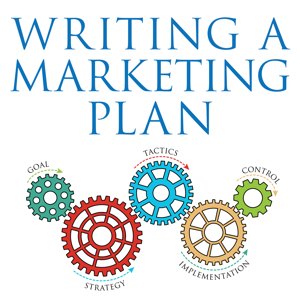


The season closes with a focus on communication planning. Listeners discover how communication plans complement marketing plans by focusing on messaging and media. The episode covers key elements—goal, strategy, tactics, implementation, and control—within the G-STIC structure. Examples illustrate how to define target audiences, craft compelling messages, select media and creative executions, and track campaign effectiveness. The importance of aligning communication goals—awareness, interest, preference, action—with overall business strategy is underscored.
This episode unpacks the brand management plan as a focused extension of the marketing plan. Following the G-STIC framework, the plan defines the brand’s goals, target market, and value proposition, as well as tactics for brand design and communication. Listeners learn how to set strategic vs. monetary brand goals, evaluate brand performance, and align branding with broader marketing objectives. The episode emphasizes the importance of documenting brand-specific plans to guide long-term brand growth and resilience.
Markets change and so must marketing plans. This episode examines the iterative process of updating plans to close performance gaps and adapt to evolving conditions. Causes of performance shortfalls—like incomplete information, flawed logic, or execution errors—are discussed, as are market shifts across the Five Cs. The concept of a marketing audit is introduced, with four types—plan audit, implementation audit, customer impact audit, and company value audit—explained as tools for continuous improvement.
Focused on execution, this episode introduces the G-STIC framework—Goal, Strategy, Tactics, Implementation, and Control—as the backbone of action planning. Each element is explained in detail, from setting measurable goals to defining strategy through the 5 Cs (customers, company, collaborators, competitors, context). The episode also reviews the common structure of a marketing plan, including the executive summary, situation analysis, action steps, and exhibits. Listeners come away with a blueprint for turning strategic intent into actionable and impactful plans.
This episode presents the market value map, a tool to visualize how an offering creates value for customers, collaborators, and the company. The framework connects strategy (target market, value proposition) with tactics (product, service, brand, price, incentives, communication, distribution). Listeners gain insight into customer value maps, collaborator value maps, and company value maps—each showing how to align offerings with the needs and incentives of different stakeholders. Practical guidance is shared for identifying target customers, analyzing competition, and designing differentiated offerings.
In this episode, we dive into marketing planning as a process of value creation in dynamic markets. The discussion introduces the difference between strategy (choosing a target market and value proposition) and tactics (the marketing mix used to bring strategy to life). Using the 5-C framework—customers, competitors, collaborators, company, and context—the episode explains how to define target markets, anticipate competition, leverage collaborators, and adapt to environmental changes.
This episode explores the purpose and structure of a marketing plan as a central business document. Listeners learn why marketing—alongside innovation—is the driving force of growth and how a well-designed plan helps align stakeholders, guide tactical decisions, and persuade collaborators. Key principles of an effective plan—actionability, relevance, clarity, and conciseness—are highlighted, along with the roles of project leaders, management teams, influencers, and gatekeepers in shaping successful outcomes.
From the publisher's feed