Have you ever struggled to describe what you feel in your body when you’re anxious, sad, or overwhelmed?
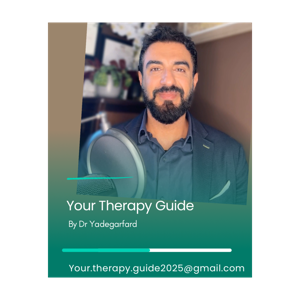
In this episode, Dr. Yadegarfard explores the essential but often-overlooked skill of noticing and naming your bodily sensations — a cornerstone of emotional awareness and recovery.
Many people can describe their thoughts or emotions, but not the physical sensations that come with them. Yet your body sends the first signals that something is happening long before your mind puts it into words. Learning to recognise these signals is the foundation of emotion regulation, CBT, and effective breathing work.
Through science-based explanations and short guided moments, this episode helps you develop the skill of interoceptive awareness — understanding what your body is trying to tell you so you can respond with clarity instead of confusion.
You’ll Learn
🧘♀️ Why identifying bodily sensations is as important as naming emotions or thoughts.
🧠 The science of interoception — how your brain senses internal body states.
❤️ How to tell the difference between sensations, emotions, and thoughts.
🌡️ Common examples: tight chest vs. anxiety, fluttery stomach vs. excitement.
💬 A guided body-scan and vocabulary tips for describing what you feel accurately.
🪄 How this awareness enhances breathing exercises, emotion regulation, and CBT skills.
Listen to the full podcast here:
🎧 Apple Podcasts
🎧 Spotify
🎧 Amazon Music
🎧 Podcast Index
🎧 RSS.com Community
Connect with Dr. Yadegarfard:
🌐 Website: https://www.psychologytoday.com/profile/812274
📸 Instagram: your_therapy_guide
🐦 X (Twitter): @UrTherapyGuide
Hashtags
#TherapyPodcast #MindBodyConnection #CBT #AnxietyRelief #Interoception #MentalHealthRecovery #EmotionalAwareness #DrYadegarfard #YourTherapyGuide #BodyAwareness #EmotionRegulation #HolisticHealing #PsychologyPodcast