
Sign up to save your podcasts
Or

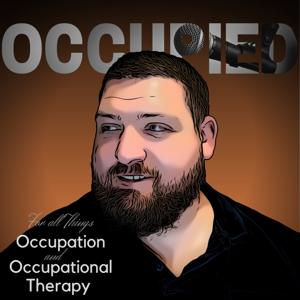

Tattoo’s and tattooing has become somewhat mainstream in western culture today and we, as therapists, will work with tattooed individuals every day. But how many of us have actually considered them through an occupational lens?
The notes collated for this episode were kindly researched by the amazing Emily Cheesman. I can’t thank her enough for the time and effort she has put into this!
During the episode, I also discuss Dr Sarah Grey, an Australian Surgical registrar who actively pushes against the negative stereotypes often associated with heavily tattooed individuals.
Check out a news story about “The World’s Most Tattooed Doctor” here:
https://7news.com.au/sunrise/on-the-show/meet-the-heavily-inked-aussie-doctor-smashing-stereotypes-c-429841
A post shared by Dr Sarah Jane (@rosesarered_23) on Apr 30, 2019 at 9:28pm PDT
Context:
Key concepts/literature informing tattoo as an
Tattoos within Wilcock’s framework for
Doing
Being, Becoming
Belonging
Episode picture provided kindly by my friend @merrynmayhem
Reference List
ABC Australia. (2017, November 14). Why a Melbourne surfer spent 8 years with an Indonesian tribe. Retrieved November 2, 2019, from Triple J website: https://www.abc.net.au/triplej/programs/hack/mentawai-tribe/9148988
Australian Bureau of Statistics. (2017, June 27). Media Release – 2016 Census: Multicultural. Retrieved November 6, 2019, from Australian Bureau of Statistics website: https://www.abs.gov.au/ausstats/[email protected]/lookup/Media%20Release3
Baumann, C., Timming, A. R., & Gollan, P. J. (2016). Taboo tattoos? A study of the gendered effects of body art on consumers’ attitudes toward visibly tattooed front line staff. Journal of Retailing and Consumer Services, 29, 31–39. https://doi.org/10.1016/j.jretconser.2015.11.005
Buss, L., & Hodges, K. (2017). Marked: Tattoo as an Expression of Psyche. Psychological Perspectives, 60(1), 4–38. https://doi.org/10.1080/00332925.2017.1282251
Deitch, J. (n.d.). War Ink. Retrieved November 2, 2019, from War Ink website: http://www.warink.org/
Dinter, M. H. van. (2005). The world of tattoo: An illustrated history. Amsterdam: KIT.
Farley, C. L., Hoover, C. V., & Rademeyer, C.-A. (2019). Women and Tattoos: Fashion, Meaning, and Implications for Health. Journal of Midwifery & Women’s Health, 64(2), 154–169. https://doi.org/10.1111/jmwh.12932
Hall, G. (2016, November 15). Tattoo regret: Can you make it go away? The Conversation. Retrieved from http://theconversation.com/tattoo-regret-can-you-make-it-go-away-67762
Hammell, K. R. W. (2014). Belonging, occupation, and human well-being: An exploration: Appartenance, occupation et bien-être humain : Une étude exploratoire. Canadian Journal of Occupational Therapy, 81(1), 39–50. https://doi.org/10.1177/0008417413520489
Heywood, W., Patrick, K., Smith, A. M. A., Simpson, J. M., Pitts, M. K., Richters, J., & Shelley, J. M. (2012). Who Gets Tattoos? Demographic and Behavioral Correlates of Ever Being Tattooed in a Representative Sample of Men and Women. Annals of Epidemiology, 22(1), 51–56. https://doi.org/10.1016/j.annepidem.2011.10.005
Kay, H., & Brewis, C. (2017). Understanding tattooing from an occupational science perspective. Journal of Occupational Science, 24(3), 351–364. https://doi.org/10.1080/14427591.2016.1241186
Kaviani, F. (2019, June 11). How it Feels to Deliver (and Receive) the World’s Most Hardcore Blackwork Tattoo—VICE. Retrieved November 12, 2019, from Vice website: https://www.vice.com/en_au/article/evyqbw/how-it-feels-to-deliver-and-receive-the-worlds-most-hardcore-blackwork-tattoo
Kaviani, F. (2017, April 25). Meet the Tattoo Collective Who Prioritise Pain Over Aesthetics—VICE. Retrieved November 12, 2019, from Vice website: https://www.vice.com/en_au/article/pg5qx7/meet-the-tattoo-collective-who-prioritise-pain-over-aesthetics
Lauriello, S. (2018, October 19). These Woman Showed Off Their Breast Cancer Survivor Tattoos—Health. Retrieved November 2, 2019, from https://www.health.com/condition/breast-cancer/breast-cancer-survivor-tattoos
Maley, C. M., Pagana, N. K., Velenger, C. A., & Humbert, T. K. (2016). Dealing With Major Life Events and Transitions: A Systematic Literature Review on and Occupational Analysis of Spirituality. American Journal of Occupational Therapy, 70(4), p1–p6. https://doi.org/10.5014/ajot.2016.015537
McCrindle. (2018, December 13). Tattoos in Australia; Perceptions, trends and regrets. Retrieved November 4, 2019, from McCrindle website: https://mccrindle.com.au/insights/blog/tattoos-in-australia-perceptions-trends-and-regrets-2/
Museum of New Zealand. (2017, March 28). Tā moko | Māori tattoos: History, practice, and meanings. Retrieved November 12, 2019, from Museum of New Zealand Te Papa Tongarewa, Wellington, NZ website: https://www.tepapa.govt.nz/discover-collections/read-watch-play/maori/ta-moko-maori-tattoos-history
Pellegrini, L. (2010). Artist Tattoos Indelible Iraq Memorial Into His Skin. Retrieved from https://www.npr.org/templates/story/story.php?storyId=127348258
Project Semicolon—Mental Health & Suicide Prevention. (2017). Retrieved November 12, 2019, from Project Semicolon—Mental Health & Suicide Prevention website: https://projectsemicolon.com/
Rees, M. (2016). From Outsider to Established—Explaining the Current Popularity and Acceptability of Tattooing. Historical Social Research / Historische Sozialforschung, 41(3 (157)), 157–174.
Sanders, C. R., & Vail, D. A. (2008). Becoming and Being a Tattooed Person. In The Art and Culture of Tattooing. Customizing the Body (pp. 36–61). Retrieved from http://www.jstor.org/stable/j.ctt1bw1j21.6
Sidner, S. (2017, March 14). Old mark of slavery is being used on sex trafficking victims. Retrieved November 7, 2019, from CNN website: https://www.cnn.com/2015/08/31/us/sex-trafficking-branding/index.html
Swami, V., Pietschnig, J., Bertl, B., Nader, I. W., Stieger, S., & Voracek, M. (2012). Personality Differences between Tattooed and Non-Tattooed Individuals. Psychological Reports, 111(1), 97–106. https://doi.org/10.2466/09.07.21.PR0.111.4.97-106
Tsang, A., & Stevenson, A. (2014). ‘My body is a journal, and my tattoos are my story.’ 1—Exploring the motivations and meanings of tattoos using a multi qualitative-method approach. 30.
Thompson, B. Y. (2015). Tattoos Are Not for Touching: Public Space, Stigma, and Social Sanctions. In Covered in Ink (pp. 151–176). NYU Press.
Wilcock, A. (1998). Reflections on doing, being and becoming. Canadian Journal of Occupational Therapy, 65(5).
Wilcken, L. (2010). Filipino tattoos: Ancient to modern. Atglen, Penna: Schiffer Pub.
 View all episodes
 By Brock Cook

4.7
3535 ratings
Tattoo’s and tattooing has become somewhat mainstream in western culture today and we, as therapists, will work with tattooed individuals every day. But how many of us have actually considered them through an occupational lens?
The notes collated for this episode were kindly researched by the amazing Emily Cheesman. I can’t thank her enough for the time and effort she has put into this!
During the episode, I also discuss Dr Sarah Grey, an Australian Surgical registrar who actively pushes against the negative stereotypes often associated with heavily tattooed individuals.
Check out a news story about “The World’s Most Tattooed Doctor” here:
https://7news.com.au/sunrise/on-the-show/meet-the-heavily-inked-aussie-doctor-smashing-stereotypes-c-429841
A post shared by Dr Sarah Jane (@rosesarered_23) on Apr 30, 2019 at 9:28pm PDT
Context:
Key concepts/literature informing tattoo as an
Tattoos within Wilcock’s framework for
Doing
Being, Becoming
Belonging
Episode picture provided kindly by my friend @merrynmayhem
Reference List
ABC Australia. (2017, November 14). Why a Melbourne surfer spent 8 years with an Indonesian tribe. Retrieved November 2, 2019, from Triple J website: https://www.abc.net.au/triplej/programs/hack/mentawai-tribe/9148988
Australian Bureau of Statistics. (2017, June 27). Media Release – 2016 Census: Multicultural. Retrieved November 6, 2019, from Australian Bureau of Statistics website: https://www.abs.gov.au/ausstats/[email protected]/lookup/Media%20Release3
Baumann, C., Timming, A. R., & Gollan, P. J. (2016). Taboo tattoos? A study of the gendered effects of body art on consumers’ attitudes toward visibly tattooed front line staff. Journal of Retailing and Consumer Services, 29, 31–39. https://doi.org/10.1016/j.jretconser.2015.11.005
Buss, L., & Hodges, K. (2017). Marked: Tattoo as an Expression of Psyche. Psychological Perspectives, 60(1), 4–38. https://doi.org/10.1080/00332925.2017.1282251
Deitch, J. (n.d.). War Ink. Retrieved November 2, 2019, from War Ink website: http://www.warink.org/
Dinter, M. H. van. (2005). The world of tattoo: An illustrated history. Amsterdam: KIT.
Farley, C. L., Hoover, C. V., & Rademeyer, C.-A. (2019). Women and Tattoos: Fashion, Meaning, and Implications for Health. Journal of Midwifery & Women’s Health, 64(2), 154–169. https://doi.org/10.1111/jmwh.12932
Hall, G. (2016, November 15). Tattoo regret: Can you make it go away? The Conversation. Retrieved from http://theconversation.com/tattoo-regret-can-you-make-it-go-away-67762
Hammell, K. R. W. (2014). Belonging, occupation, and human well-being: An exploration: Appartenance, occupation et bien-être humain : Une étude exploratoire. Canadian Journal of Occupational Therapy, 81(1), 39–50. https://doi.org/10.1177/0008417413520489
Heywood, W., Patrick, K., Smith, A. M. A., Simpson, J. M., Pitts, M. K., Richters, J., & Shelley, J. M. (2012). Who Gets Tattoos? Demographic and Behavioral Correlates of Ever Being Tattooed in a Representative Sample of Men and Women. Annals of Epidemiology, 22(1), 51–56. https://doi.org/10.1016/j.annepidem.2011.10.005
Kay, H., & Brewis, C. (2017). Understanding tattooing from an occupational science perspective. Journal of Occupational Science, 24(3), 351–364. https://doi.org/10.1080/14427591.2016.1241186
Kaviani, F. (2019, June 11). How it Feels to Deliver (and Receive) the World’s Most Hardcore Blackwork Tattoo—VICE. Retrieved November 12, 2019, from Vice website: https://www.vice.com/en_au/article/evyqbw/how-it-feels-to-deliver-and-receive-the-worlds-most-hardcore-blackwork-tattoo
Kaviani, F. (2017, April 25). Meet the Tattoo Collective Who Prioritise Pain Over Aesthetics—VICE. Retrieved November 12, 2019, from Vice website: https://www.vice.com/en_au/article/pg5qx7/meet-the-tattoo-collective-who-prioritise-pain-over-aesthetics
Lauriello, S. (2018, October 19). These Woman Showed Off Their Breast Cancer Survivor Tattoos—Health. Retrieved November 2, 2019, from https://www.health.com/condition/breast-cancer/breast-cancer-survivor-tattoos
Maley, C. M., Pagana, N. K., Velenger, C. A., & Humbert, T. K. (2016). Dealing With Major Life Events and Transitions: A Systematic Literature Review on and Occupational Analysis of Spirituality. American Journal of Occupational Therapy, 70(4), p1–p6. https://doi.org/10.5014/ajot.2016.015537
McCrindle. (2018, December 13). Tattoos in Australia; Perceptions, trends and regrets. Retrieved November 4, 2019, from McCrindle website: https://mccrindle.com.au/insights/blog/tattoos-in-australia-perceptions-trends-and-regrets-2/
Museum of New Zealand. (2017, March 28). Tā moko | Māori tattoos: History, practice, and meanings. Retrieved November 12, 2019, from Museum of New Zealand Te Papa Tongarewa, Wellington, NZ website: https://www.tepapa.govt.nz/discover-collections/read-watch-play/maori/ta-moko-maori-tattoos-history
Pellegrini, L. (2010). Artist Tattoos Indelible Iraq Memorial Into His Skin. Retrieved from https://www.npr.org/templates/story/story.php?storyId=127348258
Project Semicolon—Mental Health & Suicide Prevention. (2017). Retrieved November 12, 2019, from Project Semicolon—Mental Health & Suicide Prevention website: https://projectsemicolon.com/
Rees, M. (2016). From Outsider to Established—Explaining the Current Popularity and Acceptability of Tattooing. Historical Social Research / Historische Sozialforschung, 41(3 (157)), 157–174.
Sanders, C. R., & Vail, D. A. (2008). Becoming and Being a Tattooed Person. In The Art and Culture of Tattooing. Customizing the Body (pp. 36–61). Retrieved from http://www.jstor.org/stable/j.ctt1bw1j21.6
Sidner, S. (2017, March 14). Old mark of slavery is being used on sex trafficking victims. Retrieved November 7, 2019, from CNN website: https://www.cnn.com/2015/08/31/us/sex-trafficking-branding/index.html
Swami, V., Pietschnig, J., Bertl, B., Nader, I. W., Stieger, S., & Voracek, M. (2012). Personality Differences between Tattooed and Non-Tattooed Individuals. Psychological Reports, 111(1), 97–106. https://doi.org/10.2466/09.07.21.PR0.111.4.97-106
Tsang, A., & Stevenson, A. (2014). ‘My body is a journal, and my tattoos are my story.’ 1—Exploring the motivations and meanings of tattoos using a multi qualitative-method approach. 30.
Thompson, B. Y. (2015). Tattoos Are Not for Touching: Public Space, Stigma, and Social Sanctions. In Covered in Ink (pp. 151–176). NYU Press.
Wilcock, A. (1998). Reflections on doing, being and becoming. Canadian Journal of Occupational Therapy, 65(5).
Wilcken, L. (2010). Filipino tattoos: Ancient to modern. Atglen, Penna: Schiffer Pub.

1,057 Listeners
674 Listeners
788 Listeners
569 Listeners

244 Listeners

2,687 Listeners

295 Listeners
39 Listeners
349 Listeners

162 Listeners

10 Listeners
245 Listeners
67 Listeners

28 Listeners