
Sign up to save your podcasts
Or

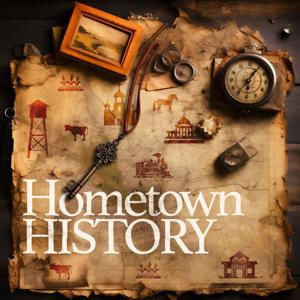

In 1921, Hollywood's biggest comedy star walked into a San Francisco hotel room—and walked out a pariah. Fatty Arbuckle, earning the modern equivalent of $60 million from Paramount Pictures, saw his career destroyed in a single afternoon when actress Virginia Rappe died after a Labor Day party in his suite. What happened behind that locked door remains disputed a century later, but the scandal that followed changed Hollywood forever.
Three sensational trials kept America riveted as tabloid king William Randolph Hearst exploited every detail for profit, declaring the coverage sold more newspapers than the Lusitania sinking. Despite being fully acquitted—with the jury issuing a formal apology for the ordeal—Arbuckle's life spiraled. He lost everything: his fortune to legal fees, his films to boycotts, and eventually his life to a heart attack at just 46 years old.
But Arbuckle's tragedy became Hollywood's transformation. Terrified of government censorship, studio executives created the Hays Code—the strict self-censorship rules that controlled what Americans could see in movies for the next 50 years. One scandal birthed an entire system of content regulation that shaped cinema until the 1960s.
Subscribe to Hometown History for forgotten American history stories every week. New episodes release Tuesdays. Every hometown has a story—what's yours?
In This Episode:
Key Figures:
Timeline:
Historical Context: This episode explores how one scandal transformed an entire industry. The Fatty Arbuckle case revealed the power of media sensationalism (Hearst's tabloids), public morality campaigns, and Hollywood's vulnerability to external control. Rather than face government censorship, the film industry chose self-regulation—creating the Hays Code that banned everything from nudity to "excessive kissing" for decades.
The scandal also highlighted gender dynamics, media ethics, and how public perception can override legal verdicts. Despite being found innocent, Arbuckle never fully recovered, demonstrating the lasting damage of trial-by-media.
Related Topics:
Contemporary Connection: The Hays Code's shadow still influences modern content rating systems (MPAA ratings). This episode shows how one tragedy created systematic change—both protecting and restricting creative freedom in American cinema for generations.
Source Notes: This episode draws from contemporary newspaper accounts, trial transcripts, and historical analyses of the Fatty Arbuckle trials and the creation of the Hays Code. Major sources include documentation from the San Francisco trials (1921-1922) and Motion Picture Producers and Distributors of America archives.
 View all episodes
 By Shane Waters

4.5
138138 ratings
In 1921, Hollywood's biggest comedy star walked into a San Francisco hotel room—and walked out a pariah. Fatty Arbuckle, earning the modern equivalent of $60 million from Paramount Pictures, saw his career destroyed in a single afternoon when actress Virginia Rappe died after a Labor Day party in his suite. What happened behind that locked door remains disputed a century later, but the scandal that followed changed Hollywood forever.
Three sensational trials kept America riveted as tabloid king William Randolph Hearst exploited every detail for profit, declaring the coverage sold more newspapers than the Lusitania sinking. Despite being fully acquitted—with the jury issuing a formal apology for the ordeal—Arbuckle's life spiraled. He lost everything: his fortune to legal fees, his films to boycotts, and eventually his life to a heart attack at just 46 years old.
But Arbuckle's tragedy became Hollywood's transformation. Terrified of government censorship, studio executives created the Hays Code—the strict self-censorship rules that controlled what Americans could see in movies for the next 50 years. One scandal birthed an entire system of content regulation that shaped cinema until the 1960s.
Subscribe to Hometown History for forgotten American history stories every week. New episodes release Tuesdays. Every hometown has a story—what's yours?
In This Episode:
Key Figures:
Timeline:
Historical Context: This episode explores how one scandal transformed an entire industry. The Fatty Arbuckle case revealed the power of media sensationalism (Hearst's tabloids), public morality campaigns, and Hollywood's vulnerability to external control. Rather than face government censorship, the film industry chose self-regulation—creating the Hays Code that banned everything from nudity to "excessive kissing" for decades.
The scandal also highlighted gender dynamics, media ethics, and how public perception can override legal verdicts. Despite being found innocent, Arbuckle never fully recovered, demonstrating the lasting damage of trial-by-media.
Related Topics:
Contemporary Connection: The Hays Code's shadow still influences modern content rating systems (MPAA ratings). This episode shows how one tragedy created systematic change—both protecting and restricting creative freedom in American cinema for generations.
Source Notes: This episode draws from contemporary newspaper accounts, trial transcripts, and historical analyses of the Fatty Arbuckle trials and the creation of the Hays Code. Major sources include documentation from the San Francisco trials (1921-1922) and Motion Picture Producers and Distributors of America archives.
17,319 Listeners
2,788 Listeners
10,980 Listeners

959 Listeners
2,810 Listeners
2,868 Listeners

1,023 Listeners
1,920 Listeners
19,160 Listeners

47,431 Listeners

375 Listeners

17,886 Listeners

8,044 Listeners

3,975 Listeners
10,356 Listeners

75 Listeners
61 Listeners

136 Listeners

359 Listeners
899 Listeners
8 Listeners
3 Listeners

13 Listeners

355 Listeners