
Sign up to save your podcasts
Or

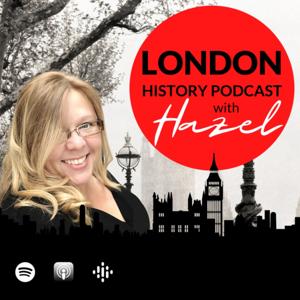

Hazel Baker of London Guided Walks welcomes you to the London History Podcast for the first of a two-part deep dive into the dramatic events of 1381—often known as the Peasants’ Revolt. Joining Hazel is City of London guide and lecturer Ian McDiarmid, as they unpack why “peasants” is far from an accurate label. Contemporary records and post-revolt indictments reveal that many participants were skilled workers or even minor landowners, challenging long-held assumptions about this uprising.
Together they trace the revolt’s roots in three powerful pressures: crushing and unfair taxation—especially the infamous poll taxes—England’s costly and faltering campaigns in the Hundred Years’ War, and deep economic tensions following the Black Death. With landowners trying to freeze wages and reassert labour controls, resentment brewed across the country.
The episode explores the political turmoil surrounding the teenage Richard II, corruption scandals involving figures like Alice Perrers, William Latimer, and Richard Lyons, and London’s bitter clashes with John of Gaunt over civic rights and Wyclif’s reformist ideas. As rebellion ignites in Essex and Kent, the movement gathers momentum under Wat Tyler, culminating in the rebels’ march to London and their tense first meeting with the king at Deptford.
The story closes with the rebels poised to enter London—setting the stage for part two, which follows the uprising as it engulfs the city. You can explore even more through Hazel’s related blog posts on the Marshalsea, London’s aldermen, John of Gaunt’s Savoy Palace, and Alice Perrers.
Show Notes
 View all episodes
 By londonguidedwalks.co.uk

4.8
4545 ratings
Hazel Baker of London Guided Walks welcomes you to the London History Podcast for the first of a two-part deep dive into the dramatic events of 1381—often known as the Peasants’ Revolt. Joining Hazel is City of London guide and lecturer Ian McDiarmid, as they unpack why “peasants” is far from an accurate label. Contemporary records and post-revolt indictments reveal that many participants were skilled workers or even minor landowners, challenging long-held assumptions about this uprising.
Together they trace the revolt’s roots in three powerful pressures: crushing and unfair taxation—especially the infamous poll taxes—England’s costly and faltering campaigns in the Hundred Years’ War, and deep economic tensions following the Black Death. With landowners trying to freeze wages and reassert labour controls, resentment brewed across the country.
The episode explores the political turmoil surrounding the teenage Richard II, corruption scandals involving figures like Alice Perrers, William Latimer, and Richard Lyons, and London’s bitter clashes with John of Gaunt over civic rights and Wyclif’s reformist ideas. As rebellion ignites in Essex and Kent, the movement gathers momentum under Wat Tyler, culminating in the rebels’ march to London and their tense first meeting with the king at Deptford.
The story closes with the rebels poised to enter London—setting the stage for part two, which follows the uprising as it engulfs the city. You can explore even more through Hazel’s related blog posts on the Marshalsea, London’s aldermen, John of Gaunt’s Savoy Palace, and Alice Perrers.
Show Notes

5,576 Listeners

3,196 Listeners

154 Listeners

110 Listeners

4,791 Listeners

228 Listeners
470 Listeners

3,245 Listeners
3,358 Listeners
15,506 Listeners

1,920 Listeners

2,060 Listeners

2,854 Listeners
1,144 Listeners

248 Listeners