
Sign up to save your podcasts
Or

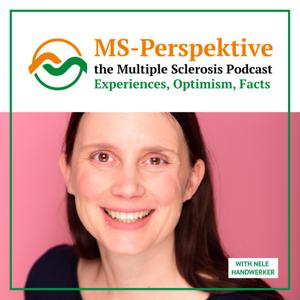

The gut–brain axis in multiple sclerosis is an exciting field of research that connects the gut microbiome, immune system and central nervous system. In this interview, Prof. Dr. Anne-Katrin Pröbstel explains how B cells, especially IgA-producing B cells, may influence inflammation in MS and why not all immune cells are harmful. She also discusses what current research can and cannot yet tell us about diet, vitamin D, smoking and future treatment approaches.
You can find the interview to read here: https://ms-perspektive.de/en/171-proebstel/
You'll learn:
Resources mentioned:
Dr. Anne-Katrin Pröbstel: The audience is probably very diverse. Some listeners may live with MS themselves, others may be relatives, caregivers or professionals interested in the topic.
What I would like to say is this: I have great respect for people living with MS and for the way they deal with this disease. At the same time, I believe that scientific progress can offer hope.
Many physicians and researchers are working to better understand MS and to develop improved therapies. Progress is not always fast, but it is moving forward step by step.
I would like to encourage people affected by MS to stay hopeful.
---
See you soon and try to make the best out of your life, Nele
For more information and positive thoughts, subscribe to my newsletter for free.
Click here for an overview of all podcast episodes published so far.
 View all episodes
 By Nele von Horsten
The gut–brain axis in multiple sclerosis is an exciting field of research that connects the gut microbiome, immune system and central nervous system. In this interview, Prof. Dr. Anne-Katrin Pröbstel explains how B cells, especially IgA-producing B cells, may influence inflammation in MS and why not all immune cells are harmful. She also discusses what current research can and cannot yet tell us about diet, vitamin D, smoking and future treatment approaches.
You can find the interview to read here: https://ms-perspektive.de/en/171-proebstel/
You'll learn:
Resources mentioned:
Dr. Anne-Katrin Pröbstel: The audience is probably very diverse. Some listeners may live with MS themselves, others may be relatives, caregivers or professionals interested in the topic.
What I would like to say is this: I have great respect for people living with MS and for the way they deal with this disease. At the same time, I believe that scientific progress can offer hope.
Many physicians and researchers are working to better understand MS and to develop improved therapies. Progress is not always fast, but it is moving forward step by step.
I would like to encourage people affected by MS to stay hopeful.
---
See you soon and try to make the best out of your life, Nele
For more information and positive thoughts, subscribe to my newsletter for free.
Click here for an overview of all podcast episodes published so far.

228,383 Listeners
151 Listeners

33 Listeners

127 Listeners
116 Listeners

3,634 Listeners