
Sign up to save your podcasts
Or

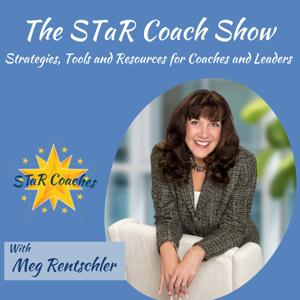

There is no more relevant topic in today’s social setting than cultural diversity. As coaches, we need to continually examine how we partner with our clients in cultural respectfulness and responsibility. Join us to learn more!
Dr. Rebecca Eldredge is a licensed psychologist who focuses on facilitating guidance and support for aspiring allies and anti-racists and providing culturally-sensitive therapy for adults. She’ll share with us the road she walked in her doctrinal training in counseling psychology and why she decided to have a multicultural specialization. Since then, she has been blessed with a variety of meaningful opportunities, including teaching Multicultural Counseling graduate courses, developing and offering support groups and home visits for female refugees in Houston, TX, and providing cultural training and consultations to individuals and groups. Over the last 19 years, she has been deeply honored and humbled with the trust of hundreds of therapy clients from diverse identities and backgrounds. Last year, she began creating new programs to offer guidance and support for aspiring anti-racists who want to break free from the status quo and speak up against bias.
Show Highlights:
● How Rebecca observed differences, cultural diversity, and injustices on the journey to where she is today
● How we can be more in tune with how we show up with others
● Five Cultural Hacks:
○ Cultural humility
■ Say, “I don’t know it all, and I will make mistakes.”
■ Create spaces to explore and ask questions when you don’t know
■ Don’t have the “my-way-is-the-right-way” attitude
○ Cultural awareness
■ Say, “I don’t want to operate on assumptions.”
■ Be aware of your thoughts, feelings, identities, and places of privilege
■ Recognize others in ways that don’t define their identity
○ Cultural compassion
■ Ask, “How do I self-soothe and other-soothe to create a space of safety?”
■ Realize that you can’t show up with compassion for others if you are critical and judgmental of yourself
○ Cultural knowledge
■ Ask, “How can I learn about traditions and norms of different cultural groups?”
■ Knowledge helps us grow and change our perspective
■ Go to events and listen to lectures and podcasts, but don’t rely on only one source of knowledge
○ Cultural skills
■ Ask, “How do I set an example for others in the way that I live?”
■ Your skills are dependent on the other foundational pieces
■ Your skills involve communication, action, and internal processing
Resources:
Feel Deeply Live Completely
Linkedin: Rebecca Eldredge PhD
Mentioned in this episode:
Mentor Program
If you're working toward your ACC or PCC credential, or if it's time to recertify your ACC mentor, coaching isn't just a requirement on a checklist. It's one of the most transformative investments you can make in yourself and your coaching. I've taught or mentored over 2000 coaches, and I hear the same thing again and again. I came because I had to, and I am so glad that I did. Coaches tell me they walk away with renewed energy, deeper confidence and a community of peers who genuinely support each other. Here's what you need to know right now. Mentor coaching must span a minimum of three months, so the time to start is not when your credential is just about to expire. And if you complete your hours in 2026, you get ahead of the upcoming ICF changes, which means peace of mind along with skill development. My fall cohort is already filling up. Every group is capped at ten.
Join Mentoring Program!
If you’re a coach who wants to grow—not just check a box—this is for you.
 View all episodes
 By Meg Rentschler
5
132132 ratings
There is no more relevant topic in today’s social setting than cultural diversity. As coaches, we need to continually examine how we partner with our clients in cultural respectfulness and responsibility. Join us to learn more!
Dr. Rebecca Eldredge is a licensed psychologist who focuses on facilitating guidance and support for aspiring allies and anti-racists and providing culturally-sensitive therapy for adults. She’ll share with us the road she walked in her doctrinal training in counseling psychology and why she decided to have a multicultural specialization. Since then, she has been blessed with a variety of meaningful opportunities, including teaching Multicultural Counseling graduate courses, developing and offering support groups and home visits for female refugees in Houston, TX, and providing cultural training and consultations to individuals and groups. Over the last 19 years, she has been deeply honored and humbled with the trust of hundreds of therapy clients from diverse identities and backgrounds. Last year, she began creating new programs to offer guidance and support for aspiring anti-racists who want to break free from the status quo and speak up against bias.
Show Highlights:
● How Rebecca observed differences, cultural diversity, and injustices on the journey to where she is today
● How we can be more in tune with how we show up with others
● Five Cultural Hacks:
○ Cultural humility
■ Say, “I don’t know it all, and I will make mistakes.”
■ Create spaces to explore and ask questions when you don’t know
■ Don’t have the “my-way-is-the-right-way” attitude
○ Cultural awareness
■ Say, “I don’t want to operate on assumptions.”
■ Be aware of your thoughts, feelings, identities, and places of privilege
■ Recognize others in ways that don’t define their identity
○ Cultural compassion
■ Ask, “How do I self-soothe and other-soothe to create a space of safety?”
■ Realize that you can’t show up with compassion for others if you are critical and judgmental of yourself
○ Cultural knowledge
■ Ask, “How can I learn about traditions and norms of different cultural groups?”
■ Knowledge helps us grow and change our perspective
■ Go to events and listen to lectures and podcasts, but don’t rely on only one source of knowledge
○ Cultural skills
■ Ask, “How do I set an example for others in the way that I live?”
■ Your skills are dependent on the other foundational pieces
■ Your skills involve communication, action, and internal processing
Resources:
Feel Deeply Live Completely
Linkedin: Rebecca Eldredge PhD
Mentioned in this episode:
Mentor Program
If you're working toward your ACC or PCC credential, or if it's time to recertify your ACC mentor, coaching isn't just a requirement on a checklist. It's one of the most transformative investments you can make in yourself and your coaching. I've taught or mentored over 2000 coaches, and I hear the same thing again and again. I came because I had to, and I am so glad that I did. Coaches tell me they walk away with renewed energy, deeper confidence and a community of peers who genuinely support each other. Here's what you need to know right now. Mentor coaching must span a minimum of three months, so the time to start is not when your credential is just about to expire. And if you complete your hours in 2026, you get ahead of the upcoming ICF changes, which means peace of mind along with skill development. My fall cohort is already filling up. Every group is capped at ten.
Join Mentoring Program!
If you’re a coach who wants to grow—not just check a box—this is for you.

43,528 Listeners

26,984 Listeners
1,471 Listeners
145 Listeners
66 Listeners

111,948 Listeners
4,045 Listeners

27,775 Listeners

29,207 Listeners
655 Listeners

3,213 Listeners
41,321 Listeners
23 Listeners

19,524 Listeners
472 Listeners