
Sign up to save your podcasts
Or

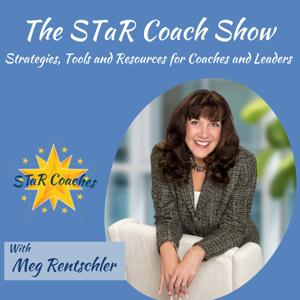

Are you confused about the next steps to growth in your business? Barriers and challenges are always in front of us, and it’s important to prioritize those next steps to progress. Join us to learn how to avoid shiny object syndrome and be your most productive instead of just busy.
Steven Kirch is a productivity expert and business growth strategist. After retiring from a successful career as manager and leader in the high-tech industry, Dr. Kirch now brings his passion for people, organizations, and small businesses to his clients. The goal of Profit Minds, LLC is to help serious small-business owners generate more clients, close more sales, and increase their overall revenue and profits--quickly and inexpensively. Steven specializes in helping small business owners and business coaches improve their results using time-tested sales and marketing strategies. As a certified facilitator of The 7 Habits of Highly Effective People for more than 20 years, he works alongside his clients to develop methodologies for the implementation of these strategies in their business. In addition, he serves on the board of directors for The Gratitude Network, a leadership development organization that works with social entrepreneurs around the world to enable growth of these innovative companies that are changing the lives of children and youth everywhere.
Show Highlights:
● Steve’s journey into business coaching after a 30-year career in high-tech
● The big problem Steve sees across the board with small business owners
● How Steve can help small businesses find untapped revenue
● The difference between being productive and being busy
● How to structure your day around the most important tasks
● How to identify your “biological prime time” for productivity
● Why we get overwhelmed by our to-do lists and why we should focus on tasks instead of projects
● How to use the Pomodoro Technique to focus on tasks
● How to combat your tendency to procrastinate
● Tips to avoid shiny object syndrome:
○ Identify 2-3 most important tasks for each day.
○ Protect specific blocks of time for strategic tasks.
○ Consider an accountability partner to check up on each other.
○ Take time on Sunday to plan out your week.
● How Steve approached pivots during his career
● Considerations you need to make if you’re facing a pivot
● How Steve structures the pricing of his coaching programs to create a partnership with his clients
Resources:
Connect with Steve: LinkedIn
Profit Minds
Gratitude Network
Books mentioned in this episode:
The 7 Habits of Highly Effective People by Stephen R. Covey
Getting Things Done by David Allen
The Productivity Project by Chris Bailey
Scaling Up by Verne Harnish
Traction by Gino Wickman
The 12 Week Year by Brian P. Moran and Michael Lennington
Mentioned in this episode:
Join Mentoring Program!
If you’re a coach who wants to grow—not just check a box—this is for you.
Mentor Program
If you're working toward your ACC or PCC credential, or if it's time to recertify your ACC mentor, coaching isn't just a requirement on a checklist. It's one of the most transformative investments you can make in yourself and your coaching. I've taught or mentored over 2000 coaches, and I hear the same thing again and again. I came because I had to, and I am so glad that I did. Coaches tell me they walk away with renewed energy, deeper confidence and a community of peers who genuinely support each other. Here's what you need to know right now. Mentor coaching must span a minimum of three months, so the time to start is not when your credential is just about to expire. And if you complete your hours in 2026, you get ahead of the upcoming ICF changes, which means peace of mind along with skill development. My fall cohort is already filling up. Every group is capped at ten.
 View all episodes
 By Meg Rentschler
5
132132 ratings
Are you confused about the next steps to growth in your business? Barriers and challenges are always in front of us, and it’s important to prioritize those next steps to progress. Join us to learn how to avoid shiny object syndrome and be your most productive instead of just busy.
Steven Kirch is a productivity expert and business growth strategist. After retiring from a successful career as manager and leader in the high-tech industry, Dr. Kirch now brings his passion for people, organizations, and small businesses to his clients. The goal of Profit Minds, LLC is to help serious small-business owners generate more clients, close more sales, and increase their overall revenue and profits--quickly and inexpensively. Steven specializes in helping small business owners and business coaches improve their results using time-tested sales and marketing strategies. As a certified facilitator of The 7 Habits of Highly Effective People for more than 20 years, he works alongside his clients to develop methodologies for the implementation of these strategies in their business. In addition, he serves on the board of directors for The Gratitude Network, a leadership development organization that works with social entrepreneurs around the world to enable growth of these innovative companies that are changing the lives of children and youth everywhere.
Show Highlights:
● Steve’s journey into business coaching after a 30-year career in high-tech
● The big problem Steve sees across the board with small business owners
● How Steve can help small businesses find untapped revenue
● The difference between being productive and being busy
● How to structure your day around the most important tasks
● How to identify your “biological prime time” for productivity
● Why we get overwhelmed by our to-do lists and why we should focus on tasks instead of projects
● How to use the Pomodoro Technique to focus on tasks
● How to combat your tendency to procrastinate
● Tips to avoid shiny object syndrome:
○ Identify 2-3 most important tasks for each day.
○ Protect specific blocks of time for strategic tasks.
○ Consider an accountability partner to check up on each other.
○ Take time on Sunday to plan out your week.
● How Steve approached pivots during his career
● Considerations you need to make if you’re facing a pivot
● How Steve structures the pricing of his coaching programs to create a partnership with his clients
Resources:
Connect with Steve: LinkedIn
Profit Minds
Gratitude Network
Books mentioned in this episode:
The 7 Habits of Highly Effective People by Stephen R. Covey
Getting Things Done by David Allen
The Productivity Project by Chris Bailey
Scaling Up by Verne Harnish
Traction by Gino Wickman
The 12 Week Year by Brian P. Moran and Michael Lennington
Mentioned in this episode:
Join Mentoring Program!
If you’re a coach who wants to grow—not just check a box—this is for you.
Mentor Program
If you're working toward your ACC or PCC credential, or if it's time to recertify your ACC mentor, coaching isn't just a requirement on a checklist. It's one of the most transformative investments you can make in yourself and your coaching. I've taught or mentored over 2000 coaches, and I hear the same thing again and again. I came because I had to, and I am so glad that I did. Coaches tell me they walk away with renewed energy, deeper confidence and a community of peers who genuinely support each other. Here's what you need to know right now. Mentor coaching must span a minimum of three months, so the time to start is not when your credential is just about to expire. And if you complete your hours in 2026, you get ahead of the upcoming ICF changes, which means peace of mind along with skill development. My fall cohort is already filling up. Every group is capped at ten.

43,528 Listeners

26,984 Listeners
1,471 Listeners
145 Listeners
66 Listeners

111,948 Listeners
4,045 Listeners

27,775 Listeners

29,207 Listeners
655 Listeners

3,213 Listeners

41,321 Listeners
23 Listeners

19,524 Listeners
472 Listeners