
Sign up to save your podcasts
Or

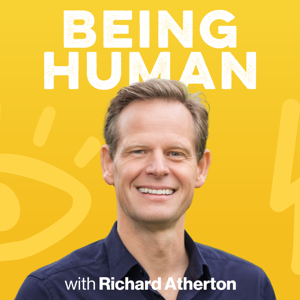

▶️ Connect with Richard on LinkedIn: https://www.linkedin.com/in/richardatherton-firsthuman/
What if the movement meant to free women has actually made them less happy, and people have struggled to discuss it?
In this episode of Being Human, Richard Atherton talks with Carrie Gress, a philosopher, co-founder of The Theology of Home, and author of eleven books, including The End of Woman: How Smashing the Patriarchy Has Destroyed Us. Carrie, who has a PhD in philosophy, originally planned to write a short chapter on first-wave feminism. Instead, she spent four years discovering how its roots are closely linked to socialism, the occult, and a view of womanhood shaped more by envy than by freedom.
She links Mary Wollstonecraft's call for equality to the consciousness-raising methods used in Mao's China, revealing a history that is new to many people. Her argument is not against women. Instead, she argues for restoring what feminism has quietly removed: the unique strengths women bring to families, workplaces, and culture when they embrace their own identity.
We discuss:
Links:
Carrie Gress / The Theology of Home
 View all episodes
 By Richard Atherton

4.3
77 ratings
▶️ Connect with Richard on LinkedIn: https://www.linkedin.com/in/richardatherton-firsthuman/
What if the movement meant to free women has actually made them less happy, and people have struggled to discuss it?
In this episode of Being Human, Richard Atherton talks with Carrie Gress, a philosopher, co-founder of The Theology of Home, and author of eleven books, including The End of Woman: How Smashing the Patriarchy Has Destroyed Us. Carrie, who has a PhD in philosophy, originally planned to write a short chapter on first-wave feminism. Instead, she spent four years discovering how its roots are closely linked to socialism, the occult, and a view of womanhood shaped more by envy than by freedom.
She links Mary Wollstonecraft's call for equality to the consciousness-raising methods used in Mao's China, revealing a history that is new to many people. Her argument is not against women. Instead, she argues for restoring what feminism has quietly removed: the unique strengths women bring to families, workplaces, and culture when they embrace their own identity.
We discuss:
Links:
Carrie Gress / The Theology of Home

2,575 Listeners

674 Listeners

1,856 Listeners

443 Listeners
2,538 Listeners

8,614 Listeners

3,816 Listeners

327 Listeners

1,272 Listeners

909 Listeners

5,488 Listeners

905 Listeners

2,068 Listeners

19,823 Listeners

175 Listeners