
Sign up to save your podcasts
Or

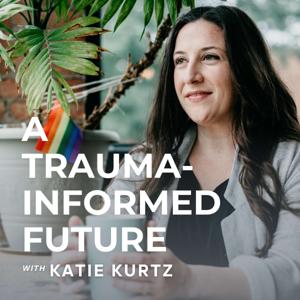


In this season three finale episode of "A Trauma-Informed Future", host Katie Kurtz shares a personal glimpse into her own healing journey and also shares some life updates. Katie speaks candidly about the trials she's faced, from embracing a new chapter in her life to shouldering the weight of uncontrollable events, all the while maintaining her focus on healing and leadership. Katie reflects on the transformative nature of personal healing over the last 15 years and its powerful influence on her capacity to lead effectively, especially under the shadow of trauma. Balancing her private life with business endeavors, Katie announces the evolution of her CULTIVATE training into an exciting new venture.
Say ‘hello’ on Instagram or LinkedIn
Catch up on podcast episodes
FREE Guide: Talking Through Turbulent Times
Book a 90 minute Strategy Session with Katie
Get certified + create a sustainable practice with TRUST™ Works
Interested in a keynote or consulting? Connect with Katie!
What does healing your trauma have to do with leadership...everything. In this episode of "A Trauma-Informed Future," host Katie Kurtz is in conversation with trauma-informed leadership coach and author, Kelly Campbell, a visionary in trauma conscious leadership. We unpack why true leadership means embracing vulnerability and integrating healing as a journey, not just for ourselves, but for our organizations. Kelly gives us an exclusive sneak peek into their book, "Heal to Lead: Revolutionizing Leadership Through Trauma Healing" a must-read for anyone looking to transform their leadership out April 2024.
Connect with Kelly:
Say ‘hello’ on Instagram or LinkedIn
Catch up on podcast episodes
FREE Guide: Talking Through Turbulent Times
Book a 90 minute Strategy Session with Katie
Get certified + create a sustainable practice with TRUST™ Works
Interested in a keynote or consulting? Connect with Katie!
In this episode of "A Trauma-Informed Future," our host Katie Kurtz delves into how we can promote collaboration and co-creation when we allow consent and choice to flow through everything we do. She emphasizes the importance of infusing consent and choice into all aspects of communication, relationship building, and decision-making, highlighting the need for active listening and validation. Katie shares tools for co-creation, such as shared input, check-ins, and co-development, as well as tools for collaboration, including space agreements, accessibility, and consensual inquiry. She underlines the importance of promoting shared power dynamics and creating spaces where individuals feel heard, considered, and empowered to participate.
Say ‘hello’ on Instagram or LinkedIn
Catch up on podcast episodes
FREE Guide: Talking Through Turbulent Times
Book a 90 minute Strategy Session with Katie
Get certified + create a sustainable practice with TRUST™ Works
Interested in a keynote or consulting? Connect with Katie!
Have you been hearing the word 'somatic' a lot but not quite sure what it all means? In today's episode of " A Trauma-Informed Future," host Katie Kurtz is in conversation with guest Jess Jackson where they get real and discuss all things somatics. The conversation embraces the broader understanding of the term "somatic," emphasizing that healing can transcend traditional practices but still require ethics and discernment. They highlight the value of both lived and theoretical knowledge in providing trauma-responsive care, underpinning the role of trauma work as a social justice effort.
Connect with Jess Jackson:
www.softpathhealing.com
www.softpathhealing.com/ssp
www.softpathhealing.com/trauma-informed-foundations
@softpathhealing on ig, tiktok, fb
www.whatisthessp.com
Say ‘hello’ on Instagram or LinkedIn
Catch up on podcast episodes
FREE Guide: Talking Through Turbulent Times
Book a 90 minute Strategy Session with Katie
Get certified + create a sustainable practice with TRUST™ Works
Interested in a keynote or consulting? Connect with Katie!
In this episode of "A Trauma-Informed Future," host Katie Kurtz dives into the crucial connection between choice and consent in trauma-informed care. She emphasizes the necessity of providing individuals with choices to consent to, to promote self-determination, autonomy, and agency. Katie shares examples of how to effectively incorporate choice into various contexts. She highlights the importance of clear expectations, adaptability, and accessibility in fostering a culture of consent. Tune in to explore the profound implications of integrating choice and consent into every aspect of our lives, and how it contributes to co-creating a trauma-informed future for all.
Say ‘hello’ on Instagram or LinkedIn
Catch up on podcast episodes
FREE Guide: Talking Through Turbulent Times
Book a 90 minute Strategy Session with Katie
Get certified + create a sustainable practice with TRUST™ Works
Interested in a keynote or consulting? Connect with Katie!
Have you ever wondered what the difference is between coaching and counseling? In today's conversation, Katie is delving into this topic with seasoned coach and trained therapist, Julie Parker. The rapid growth of the coaching industry brings with it a concern for the lack of adequate training for those holding space for trauma. We discuss the nuances of the coaching profession, the critical distinctions between coaching and traditional counseling, and why it's paramount for coaches to be not only trauma-informed but also to understand the scope of their practice.
Learn more about Julie Parker:
Say ‘hello’ on Instagram or LinkedIn
Catch up on podcast episodes
FREE Guide: Talking Through Turbulent Times
Book a 90 minute Strategy Session with Katie
Get certified + create a sustainable practice with TRUST™ Works
Interested in a keynote or consulting? Connect with Katie!
In this episode of "A Trauma-Informed Future" with your host Katie Kurtz, we delve into one of the core elements of a trauma-informed care practice: consent. Katie breaks down the meaning of consent, its significance in trauma-informed care, and how it can be integrated into everyday life. She discusses various types of consent, essential elements to ensuring consent is centered in your communications and offers practical examples and insights for what this can look and sound like in everyday life. Join us as we explore the vital role of consent in fostering safety, trust, and autonomy, and how it can shape our interactions and relationships.
Say ‘hello’ on Instagram or LinkedIn
Catch up on podcast episodes
FREE Guide: Talking Through Turbulent Times
Book a 90 minute Strategy Session with Katie
Get certified + create a sustainable practice with TRUST™ Works
Interested in a keynote or consulting? Connect with Katie!
*Content Warning: In this episode, Rachel shares her lived experience of surviving a mass shooting incident. Please honor yourself as you engage with this episode.
Our words matter. And when it comes to trauma-informed care, it is one of our most accessible things to begin shifting. In today's episode, Katie's in conversation with guest Rachel Archambault where they dive deep into the power of language in trauma-informed care. Rachel, a Broward County speech and language pathologist and survivor of the mass violence incident at Marjory Stoneman Douglas High School in 2018, joins us to shed light on the important role of language in trauma-informed care. This episode discusses the uncomfortable truth behind phrases like "get over it" and "everything happens for a reason," and delves into more empathetic alternatives that honor our full emotional spectrum. By sharing her journey, Rachel underscores that trauma-informed care is a journey, not a destination, impacting not just professionals but everyone.
Connect with Rachel Archambault:
Website
Instagram
Say ‘hello’ on Instagram or LinkedIn
Catch up on podcast episodes
FREE Guide: Talking Through Turbulent Times
Book a 90 minute Strategy Session with Katie
Get certified + create a sustainable practice with TRUST™ Works
Interested in a keynote or consulting? Connect with Katie!
There are survivors among us. Underreported statistics show that someone in the United States experiences sexual violence every 68 seconds (source: RAINN). We can no longer assume survivors are in the minority when we know it is the majority of us. With knowing this reality, how can we focus on creating spaces that promote healing for us all? In today’s episode, Katie is in conversation with her dear colleague Zabie Yamasaki. In this conversation, Katie and Zabie honor the origins of trauma informed care, discuss the importance of intersectional inclusion and spaces for survivors to remember themselves and explore the importance of self-consent. When we prioritize trauma-informed care and integrate it into our everyday lives, we can promote a culture of consent for people to show up and honor themselves, their safety and capacity.
Say ‘hello’ on Instagram or LinkedIn
Catch up on podcast episodes
FREE Guide: Talking Through Turbulent Times
Book a 90 minute Strategy Session with Katie
Get certified + create a sustainable practice with TRUST™ Works
Interested in a keynote or consulting? Connect with Katie!
If we know how pervasive and insidious trauma is, then why wouldn't we want to ensure we are utilizing an approach that minimizes harm as much as possible? If we know that trauma is our bodies doing exactly what they are meant to do to keep us safe, then why wouldn't we utilize an approach that reconnects us back to our sense of safety and care? In today's episode, Katie is sharing five reasons why we need to prioritize trauma-informed care. These reasons are helpful reminders for us to reenergize our commitment to showing up in this practice. Whatever your why is for doing this work, this podcast episode is a gentle reminder we are not in this alone.
Say ‘hello’ on Instagram or LinkedIn
Catch up on podcast episodes
FREE Guide: Talking Through Turbulent Times
Book a 90 minute Strategy Session with Katie
Get certified + create a sustainable practice with TRUST™ Works
Interested in a keynote or consulting? Connect with Katie!
From the publisher's feed
As AI, workplace stress, and moral injury reshape our lives, we need a cohesive solution that will restore trust.
Trauma-informed care can't just live in theory or…
This podcast is for people who value trust and safety, who lead with humanity, and who want real strategies they can use in everyday life.
We're not here for more theory. We're here for real tools, honest conversations, and the kind of shifts that actually change how we show up.
When we show up, when we practice caring as the powerful skill it is, we don't just change individual interactions. We shift culture. We build the sustainable, equitable, and humane future we all deserve.
Because a trauma-informed future isn't just possible—it's already being built by people like you.
For more information visit: Katie-Kurtz.com