
Sign up to save your podcasts
Or



Based on Podcast App listening data
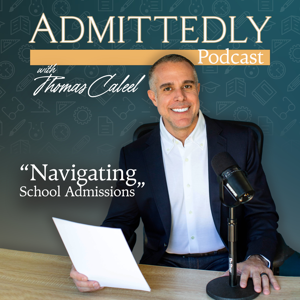
Introduction: In this episode of the "Admittedly" podcast, host Thomas Caleel interviews Delenn Ganyo, a colleague in college admissions and professional academic tutor. They discuss the topic of dual enrollment, middle colleges, and the benefits and challenges of pursuing non-traditional educational paths.
Summary of Key Points:
1. Introduction to Dual Enrollment: Dual enrollment allows high school students to take college-level courses alongside their high school curriculum, often earning college credits. This approach provides students with an accelerated learning path and can lead to early graduation or advanced standing in college.
2. Middle Colleges as an Accelerated Learning Model: Middle colleges represent a "supercharged" dual enrollment model, allowing students to earn significant college credits and potentially complete an associate's degree while still in high school. Delenn shares personal experiences of thriving in this environment and highlights the importance of student-driven motivation.
3. Comparing Dual Enrollment and AP Courses: Unlike AP courses taught by high school teachers, dual enrollment classes are taught by college instructors and often provide guaranteed transferable credits. This distinction makes dual enrollment a potentially more reliable option for students aiming to cut down on college time or costs.
4. Benefits of Middle Colleges: Attending a middle college can provide academic challenges, make students more competitive in university applications, and allow for early specialization or interdisciplinary study. Delenn discusses the personal advantages and opportunities they gained from this educational path.
5. Considerations for Non-Traditional Educational Paths: While middle colleges and dual enrollment offer exciting opportunities, they may not be suitable for everyone. Students should assess their own academic interests and readiness, ensuring that their educational path aligns with their goals and learning style.
Conclusion: Thomas Caleel and guest Delenn Ganyo emphasize the importance of understanding one's educational preferences and exploring non-traditional paths like dual enrollment and middle colleges. These options can offer accelerated learning and unique opportunities for students who are passionate about academics and eager to challenge themselves.
About Thomas Caleel:
Thomas is an alumnus of the University of Pennsylvania. After earning his MBA at the Wharton School of Business in 2003, he moved to Silicon Valley. For three years, he was Director of MBA Admissions and Financial Aid at Wharton. He worked closely with admissions professionals, students, alumni, and professors to curate the best possible MBA class. Thomas has been an entrepreneur his entire life in the fields of finance, agriculture, wellness, and sporting goods. As the founder of Global Education Opportunities LLC, he works as a high-level admissions advisor to help families and students achieve their education goals. Thomas started the podcast Admittedly because he is passionate about demystifying the application process for all parents and applicants.
About Delenn Ganyo (@delennganyo):
Delenn Ganyo is an academic tutor and admissions coach from Santa Barbara, California. They completed their Master's in English in December 2023, graduating previously from UC Santa Barbara in 2021 with Bachelor's degrees in chemistry, anthropology, and writing. Attaining their first college degree—an Associates of mathematics—the day before their high school graduation, Delenn has placed a lifelong emphasis on education and academic achievement. Delenn's experience tutoring includes academic subjects such as English composition, creative writing, mathematics, and chemistry, as well as standardized tests including the new digital SAT. Post-graduation, Delenn has completed additional certifications in Teaching English to Speakers of Other Languages and Generative AI for Educators, and in their free time they write literary analysis papers about science-fiction and fantasy.
Make sure to follow @admittedlypodcast on Instagram and @admittedlypodcast on TikTok. Please subscribe to our newsletter for important updates and subscriber-only content.
Introduction: In this episode of the "Admittedly" podcast, host Thomas Caleel discusses the opening of the Common Application and the beginning of the college application season. He provides essential advice for students and parents on navigating the Common App, including the importance of attention to detail, strategic planning, and understanding the various components of the application process.
Summary of Key Points:
1. The Common Application Opening: The Common App opens on August 1, signaling the start of the application season for students worldwide. Parents can also create an account to view their child's progress without interfering.
2. Data Entry Importance: Accurate data entry in the Common App is crucial, with attention to detail in spelling and punctuation being highly important. Admissions officers evaluate these aspects as part of the application.
3. Strategic Planning for Applications: Students should select their schools early, understand supplemental requirements, and ensure their activity lists are well-curated and relevant. Each application component should align with the student's overall strategy.
4. Crafting Effective Essays: The Common App essay should be integrated into the broader application narrative and tailored for different types of schools if necessary. The additional information section should be used for significant disruptions, not for extra essays or resumes.
5. Managing the Application Timeline: It's important not to rush the application process, as quality is more important than speed. Early submissions do not receive extra consideration, so students should focus on creating the best possible application within the given timeline.
Conclusion: The Common Application season is a critical time for students aiming for higher education. By planning strategically, paying attention to details, and understanding each component of the application, students can present themselves effectively to their chosen colleges. Thomas Caleel encourages listeners to stay calm, take their time, and reach out on social media for any questions during this process.
About Thomas Caleel
Thomas is an alumnus of the University of Pennsylvania. After earning his MBA at the Wharton School of Business in 2003, he moved to Silicon Valley. For three years, he was Director of MBA Admissions and Financial Aid at Wharton. He worked closely with admissions professionals, students, alumni, and professors to curate the best possible MBA class. Thomas has been an entrepreneur his entire life in the fields of finance, agriculture, wellness, and sporting goods. As the founder of Global Education Opportunities LLC, he works as a high-level admissions advisor to help families and students achieve their education goals. Thomas started the podcast Admittedly because he is passionate about demystifying the application process for all parents and applicants.
Make sure to follow @admittedlypodcast on Instagram and TikTok. Please subscribe to our newsletter for important updates and subscriber-only content.
In this episode of the "Admittedly" podcast, host Thomas Caleel discusses US boarding schools. He shares some details from his own experience as a Taft student and parent through the years, as well as advice on who might be a good fit for boarding school life. With many pros for the right student and potential cons for an ill fit, boarding schools are a complicated and important consideration.
Summary of Key Points:
Introduction to Boarding Schools: Caleel introduces boarding schools as educational institutions where students live on campus, with the focus of this episode being on U.S. boarding schools. These schools provide a closed community where the institution acts in loco parentis.
Student Suitability: Caleel advises that boarding schools are best for students who desire independence, thrive in academically rigorous environments, and are comfortable with dynamic, student-led learning styles like the Harkness Table method. The decision to attend should come from the student to ensure genuine investment and successful adaptation.
Academic and Social Experience: Boarding schools offer a rich array of academic opportunities, including small seminar classes and diverse extracurricular activities, which allow students to deeply engage with their interests. The close-knit residential setting fosters strong peer relationships and provides additional time for academic and personal growth.
Challenges and Adaptation: Boarding schools present challenges such as peer pressure, loneliness, and the need for resilience in a demanding environment. Students must be capable of handling independence and navigating social and academic pressures without daily parental oversight.
College Admission Myths: Attending a top boarding school does not guarantee admission to elite universities due to intense competition and the need for students to stand out among equally accomplished peers. Success in the college admissions process requires hard work, distinguishing oneself academically, and engaging actively in the boarding school community.
Boarding schools, especially in the U.S., are residential educational institutions that provide a structured and close-knit community for students seeking independence and rigorous academics. Suitable for motivated students, these schools offer unique learning opportunities and extracurricular activities but also demand resilience and adaptability due to their challenging environments. Despite their prestigious reputation, boarding schools do not guarantee entry to elite universities, and students must work hard to stand out in the competitive admissions landscape.
About Thomas Caleel
Thomas is an alumnus of the University of Pennsylvania. After earning his MBA at the Wharton School of Business in 2003, he moved to Silicon Valley. For three years, he was Director of MBA Admissions and Financial Aid at Wharton. He worked closely with admissions professionals, students, alumni, and professors to curate the best possible MBA class. Thomas has been an entrepreneur his entire life in the fields of finance, agriculture, wellness, and sporting goods. As the founder of Global Education Opportunities LLC, he works as a high-level admissions advisor to help families and students achieve their education goals. Thomas started the podcast Admittedly because he is passionate about demystifying the application process for all parents and applicants.
Make sure to follow @admittedlypodcast on Instagram and @admittedlypodcast on TikTok. Please subscribe to our newsletter for important updates and subscriber-only content.
In this episode of the "Admittedly" podcast, host Thomas Caleel advises families and students on how to proceed with college application preparation in the wake of a serious disciplinary issue. Admissions officers look for self-aware, mature students who understand their challenges and how they've grown from them. If serious trouble occurs senior year, taking a gap year to build a strong track record might be beneficial. Thomas emphasizes the importance of addressing mistakes during applications, as it shows growth and self-awareness, which are valuable for both undergraduate and graduate admissions.
Summary of Key Points:
Trouble is Common: Caleel starts by framing that serious incidents in high school, such as suspensions or expulsions, are becoming more common and can significantly impact students and their communities. It's important to address these issues rather than ignore them.
AO Perspective: Caleel describes that admissions officers have a challenging job but are generally supportive and looking for students who demonstrate self-awareness and maturity. They want to see applicants own their mistakes and show how they've grown from them.
Ownership and Redemption: Caleel advises that students should acknowledge their mistakes, understand the reasons behind them, and demonstrate genuine efforts to make amends and improve. This process of ownership and redemption is crucial for a positive presentation in applications.
Application Strategy: Caleel elaborates that when discussing past troubles during applications, students should provide a thoughtful explanation and evidence of change, rather than trying to conceal the incident. Demonstrating how one has learned from and addressed past issues can be compelling to admissions committees.
Timing: Caleel emphasizes that the timing of a serious incident can affect application strategies. If a significant issue occurs close to application deadlines, taking a gap year to build a credible record of improvement might be advisable. This allows for stronger recommendations and evidence of personal growth.
Conclusion:
For families reeling to recover from a disciplinary issue involving their student, Thomas Caleel gives his advice on the best way to continue them on a path towards college admission. Students should demonstrate a mature and empathetic attitude, taking steps to prove they have accepted their actions and are making efforts to amend and improve. Join him next week to discuss US boarding schools and how to decide if they are a fit for your student.
About Thomas Caleel
Thomas is an alumnus of the University of Pennsylvania. After earning his MBA at the Wharton School of Business in 2003, he moved to Silicon Valley. For three years, he was Director of MBA Admissions and Financial Aid at Wharton. He worked closely with admissions professionals, students, alumni, and professors to curate the best possible MBA class. Thomas has been an entrepreneur his entire life in the fields of finance, agriculture, wellness, and sporting goods. As the founder of Global Education Opportunities LLC, he works as a high-level admissions advisor to help families and students achieve their education goals. Thomas started the podcast Admittedly because he is passionate about demystifying the application process for all parents and applicants.
Make sure to follow @admittedlypodcast on Instagram and @admittedlypodcast on TikTok. Please subscribe to our newsletter for important updates and subscriber only content.
In this episode of the "Admittedly" podcast, host Thomas Caleel delves into the intricate process of building a college list, a pivotal task for high school juniors as they navigate their way through the admissions journey. Caleel addresses common concerns and misconceptions surrounding this process, emphasizing the importance of considering various factors to craft a well-rounded and realistic list of potential universities.
Summary of Key Points:
Understanding the Role of College Counselors: Caleel begins by shedding light on the role of college counselors and the delicate balance they aim to strike in creating a college list. He emphasizes that counselors aim to manage expectations while ensuring each student finds a suitable institution.
Macro-level Considerations: Caleel advises students to start by contemplating their broader preferences, including location, cultural comfort, and size of the university. He stresses the significance of considering factors such as climate, proximity to family and friends, and personal comfort when envisioning life at a particular institution.
Academic Fit: Delving deeper, Caleel encourages students to assess the academic offerings and teaching styles of prospective universities. He urges them to explore course catalogs, faculty-to-student ratios, and the balance between research and teaching to determine the academic environment that aligns with their learning preferences.
Social and Extracurricular Aspects: Beyond academics, Caleel highlights the importance of evaluating the social and extracurricular landscape of each university. He discusses considerations such as campus culture, club dynamics, wellness resources, and athletic opportunities, emphasizing the impact of these factors on overall student experience and well-being.
Flexibility and Realism: Caleel emphasizes the need for flexibility in crafting a college list, acknowledging that it may evolve based on academic performance, standardized test scores, and personal preferences. He advises students to remain open-minded and adaptable throughout the process, allowing room for adjustments as they progress.
As students embark on the journey of building their college lists, Thomas Caleel underscores the importance of thoughtful consideration and strategic planning. By weighing various factors such as academic fit, social dynamics, and personal preferences, students can create a comprehensive list of potential universities that align with their aspirations and values. With flexibility and realism as guiding principles, students can navigate the admissions process with confidence and clarity, ultimately finding the right fit for their higher education journey.
About Thomas Caleel
Thomas is an alumnus of the University of Pennsylvania. After earning his MBA at the Wharton School of Business in 2003, he moved to Silicon Valley. For three years, he was Director of MBA Admissions and Financial Aid at Wharton. He worked closely with admissions professionals, students, alumni, and professors to curate the best possible MBA class. Thomas has been an entrepreneur his entire life in the fields of finance, agriculture, wellness, and sporting goods. As the founder of Global Education Opportunities LLC, he works as a high-level admissions advisor to help families and students achieve their education goals. Thomas started the podcast Admittedly because he is passionate about demystifying the application process for all parents and applicants.
Make sure to follow @admittedlypodcast on Instagram and @admittedlypodcast on TikTok. Please subscribe to our newsletter for important updates and subscriber-only content.
In this episode of the "Admittedly" podcast, former director of MBA admissions Thomas Caleel describes ways for high school Juniors to enjoy their summers in ways that will strengthen their upcoming college applications. He warns against common errors that students and their parents often make as they plan this crucial period in the college preparation process.
Summary of Key Points:
Remedial academics: Caleel describes when it is appropriate and when it is less advisable to re-take a course following the release of final grades for the school year.
Test Prep: Caleel advises students to begin studying and preparing for standardized tests such as the SAT and ACT. Though they are optional at many schools, taking and excelling at them continues to be crucial to admission. He does mention, though, that test prep and academic tutoring cannot fill the majority of summer.
Travels: Caleel advises families against global travels for the summer after Junior year. He emphasizes that this time needs to be spent doing productive work that will strengthen their upcoming college application. He further recommends against working around this advice through "volunteer" work while visiting families in developing countries.
What Then?: Caleel gives examples of options for students to flesh out their college application materials including internships in labs and businesses, catering summer camps to specific career goals, and even working at a fast-food or ice cream stand if needed. He reiterates the importance of a letter of recommendation from a senior employee who knows the student well, not just the person with the highest rank.
Develop College List: Caleel begins a discussion on the next step in choosing colleges and some of the actions a student can take towards understanding where they best fit for the next stage of academics. This includes touring, emailing the school, and what type of applications to submit/whether early decision is a good fit.
As students bridge the gap between school years, Thomas Caleel gives his advice on many possible options for summertime activities. Students should orient their time around what will further their preparedness and eventual application strength, as coming in strong is essential. Join Thomas's next episode to explore advice on how to build a college list that is the best fit for that individual student's future.
About Thomas Caleel
Thomas is an alumnus of the University of Pennsylvania. After earning his MBA at the Wharton School of Business in 2003, he moved to Silicon Valley. For three years, he was Director of MBA Admissions and Financial Aid at Wharton. He worked closely with admissions professionals, students, alumni, and professors to curate the best possible MBA class. Thomas has been an entrepreneur his entire life in the fields of finance, agriculture, wellness, and sporting goods. As the founder of Global Education Opportunities LLC, he works as a high-level admissions advisor to help families and students achieve their education goals. Thomas started the podcast Admittedly because he is passionate about demystifying the application process for all parents and applicants.
Make sure to follow @admittedlypodcast on Instagram and @admittedlypodcast on TikTok. Please subscribe to our newsletter for important updates and subscriber only content.
Introduction: In the second episode of the third season of the Admittedly Podcast, hosted by Thomas Caleel, the focus is on Juniors in High School who are embarking on the college application process. With Ivy Day looming for Seniors and Juniors just starting this journey, Thomas provides insightful guidance on what Juniors should be doing and thinking about as they head into the summer and prepare for the fall.
Summary of Key Points:
Taking Ownership of the Process: Thomas emphasizes the importance of Juniors taking ownership of their college application process. Regardless of the counselor assigned or the resources available, it's crucial for students to be proactive and engaged in the process.
Providing Comprehensive Information: Juniors are advised to reflect on their high school experiences, including classes, extracurricular activities, and leadership roles, to provide thorough information to college counselors. Parents are encouraged to be honest in their reflections on their child's strengths and weaknesses.
Choosing Courses Strategically: Thomas suggests Juniors prioritize academic rigor in their course selections, aligning them with their intended college major. While AP courses are beneficial, it's more important to demonstrate depth of intellectual curiosity than to simply accumulate AP credits.
Decisions for IB Students: IB juniors are urged to make strategic decisions about their course selections, ensuring alignment with their desired college major and emphasizing quantitative skills for STEM fields.
Academic Performance: The importance of academic performance, particularly in challenging courses, is highlighted. While aiming for high grades is crucial, effort and dedication are equally valued, even if a student receives a lower grade in a rigorous course.
Building College Lists: Juniors are advised to thoughtfully consider their preferences and priorities when creating their college lists. Balancing realism with aspiration, students should curate a list that includes reach schools while also considering more realistic options.
Summer Activities: Thomas stresses the significance of using the Junior summer to engage in meaningful activities related to students' interests. While some may need to work for financial reasons, aligning summer experiences with academic and career interests can enhance college applications.
Avoiding Premature Essay Writing: Juniors are cautioned against prematurely writing college application essays before understanding the essay prompts and integrating summer experiences into their narratives.
Conclusion: As Juniors navigate the college application process, Thomas encourages them to take proactive steps, engage with counselors and recommenders, strategically plan their courses, and use the summer to pursue meaningful experiences. By approaching the process with intentionality and reflection, Juniors can set themselves up for success in their college journey.
About Thomas Caleel
Thomas is an alumnus of the University of Pennsylvania. After earning his MBA at the Wharton School of Business in 2003, he moved to Silicon Valley. For three years, he was Director of MBA Admissions and Financial Aid at Wharton. He worked closely with admissions professionals, students, alumni, and professors to curate the best possible MBA class. Thomas has been an entrepreneur his entire life in the fields of finance, agriculture, wellness, and sporting goods. As the founder of Global Education Opportunities LLC, he works as a high level admissions advisor to help families and students achieve their education goals. Thomas started the podcast Admittedly because he is passionate about demystifying the application process for all parents and applicants.
Make sure to follow @admittedlypodcast on instagram and @admittedlypodcast on TikTok. Please subscribe to our newsletter for important updates and subscriber only content.
Welcome to the third season of Admittedly. In this episode host Thomas Caleel highlights the purpose of this podcast, to connect with students globally and offer guidance through educational challenges. In this episode we discuss admissions decisions, waitlists, and how to prepare for this summer.
Summary of Key Points:
Reflections on Seniors:
Acknowledges the different scenarios seniors face post-application submission, whether awaiting responses or grappling with decisions.
Encourages seniors to utilize resources like admitted students' weekends to gain insights into prospective institutions.
Considerations for Decision-Making:
Advocates for a thorough evaluation of factors like school size, location, and financial implications.
Shares a case study emphasizing the importance of assessing the return on investment and considering alternative options strategically.
Handling Admissions Outcomes:
Advises students not to panic if they don't get into their dream school, offering alternatives like community college or taking a gap year.
Discusses the option of transferring if a student feels dissatisfied with their initial choice.
Navigating Waitlists:
Provides insights on managing the waitlist process, cautioning against excessive pressure tactics and emphasizing patience.
Stresses the significance of maintaining academic excellence, particularly in the final year of high school.
Summer Preparation:
Highlights the importance of utilizing the upcoming summer wisely, balancing relaxation with productive activities to prepare for the transition to college.
Encourages seniors to approach the next phase of their journey with enthusiasm and readiness for change.
Conclusion:
Encourages seniors to focus on their achievements and remain calm amidst the uncertainty of admissions decisions.
Promises further exploration of decision-making strategies and practical advice in future episodes.
Invites continued engagement with the podcast community on social media platforms.
Overall, the episode offers comprehensive guidance for seniors navigating the final stages of the college admissions process, urging them to make informed decisions and embrace the opportunities ahead.
About Thomas Caleel
Thomas is an alumnus of the University of Pennsylvania. After earning his MBA at the Wharton School of Business in 2003, he moved to Silicon Valley. For three years, he was Director of MBA Admissions and Financial Aid at Wharton. He worked closely with admissions professionals, students, alumni, and professors to curate the best possible MBA class. Thomas has been an entrepreneur his entire life in the fields of finance, agriculture, wellness, and sporting goods. As the founder of Global Education Opportunities LLC, he works as a high level admissions advisor to help families and students achieve their education goals. Thomas started the podcast Admittedly because he is passionate about demystifying the application process for all parents and applicants.
Make sure to follow @admittedlypodcast on instagram and @admittedlypodcast on TikTok. Please subscribe to our newsletter for important updates and subscriber only content.
In this episode of the Admittedly Podcast, hosted by Thomas Caleel, listeners are guided through the nuances of the University of California application process. With the November 30 deadline looming, Thomas takes a moment to commend his audience for successfully navigating the early decision/early action deadlines, only to now embark on a fresh challenge—applying to the University of California system.
Key Points:
Conclusion:
As the UC application deadline approaches, Thomas concludes by encouraging applicants to engage with the UC personal insight questions thoughtfully. Providing a 360-degree view of themselves is crucial since the UC application doesn't rely on recommendation letters, making it their responsibility to portray a comprehensive image of who they are. Thomas also mentions that he welcomes questions via the podcast's social media channels and wishes all applicants the best of luck in the UC application process.
About Thomas Caleel
Thomas is an alumnus of the University of Pennsylvania. After earning his MBA at the Wharton School of Business in 2003, he moved to Silicon Valley. For three years, he was Director of MBA Admissions and Financial Aid at Wharton. He worked closely with admissions professionals, students, alumni, and professors to curate the best possible MBA class. Thomas has been an entrepreneur his entire life in the fields of finance, agriculture, wellness, and sporting goods. As the founder of Global Education Opportunities LLC, he works as a high level admissions advisor to help families and students achieve their education goals. Thomas started the podcast Admittedly because he is passionate about demystifying the application process for all parents and applicants.
Make sure to follow @admittedlypodcast on instagram and @admittedlypodcast on TikTok. Please subscribe to our newsletter for important updates and subscriber only content.
This weeks' question of the week: It's November 1st, now what? If you applied early action/early decision you would of submitted your application by the deadline so it's time to talk a breath and talk about next steps.
Have your own question of the week you'd like answered? Send us a DM on social media @admittedlypodcast.
About Thomas Caleel
Thomas is an alumnus of the University of Pennsylvania. After earning his MBA at the Wharton School of Business in 2003, he moved to Silicon Valley. For three years, he was Director of MBA Admissions and Financial Aid at Wharton. He worked closely with admissions professionals, students, alumni, and professors to curate the best possible MBA class. Thomas has been an entrepreneur his entire life in the fields of finance, agriculture, wellness, and sporting goods. As the founder of Global Education Opportunities LLC, he works as a high level admissions advisor to help families and students achieve their education goals. Thomas started the podcast Admittedly because he is passionate about demystifying the application process for all parents and applicants.
Make sure to follow @admittedlypodcast on instagram and @admittedlypodcast on TikTok. Please subscribe to our newsletter for important updates and subscriber only content.
From the publisher's feed
Ranked by our users in the last 21 days

2,591 Listeners

1,845 Listeners

281 Listeners
222 Listeners

368 Listeners

14 Listeners
109 Listeners

296 Listeners

82 Listeners

22 Listeners
99 Listeners
122 Listeners

30 Listeners

9 Listeners
64 Listeners