
Sign up to save your podcasts
Or


In this episode, I sit down with Marise from Chas Organics to explore her team’s commitment to organic, fair trade, and sustainable food production.
Marise shares how their mission is deeply rooted in providing high-quality, Ayurvedic-inspired products sourced from Sri Lanka.
She walks us through the values that drive their production—making organic food both accessible and affordable—while fostering a circular, regenerative approach to business with suppliers and farmers they’re proud to support.
We also chat about their 1% for Elephants initiative—a first on Aisle 42! Their work to reduce human-elephant conflict in Sri Lanka is a powerful example of business making this world a better place through conservation.
To learn more go to https://chasorganics.com/.
To learn more about who’s behind this podcast and how we help food and beverage brands grow faster, visit https://www.ethicalfoodgroup.com/.
Here’s a summary of this interview:
Chas Organics’ Mission – The company is dedicated to empowering communities through good health and great food, with a focus on holistic, Ayurvedic-inspired products.
Diverse Product Range – Their lineup includes coconut milk, heirloom rice, spices, curry pastes, canned tropical fruits, and warming beverages, all 100% organic and sustainably sourced.
Sourcing from Sri Lanka – The company partners with small-scale regenerative organic farmers, ensuring premium, high-quality ingredients free from heavy metals and contaminants.
Fair Trade Commitment – Most products are Fair for Life certified, supporting ethical wages and sustainable farming practices while fostering long-term partnerships with suppliers.
Retail Expansion – While maintaining a strong presence in independent health food stores, Chas Organics is also expanding its reach through Costco, Loblaws, and online platforms like Amazon.
1% for Elephants Initiative – The brand actively funds conservation projects in Sri Lanka, working to reduce human-elephant conflict by restoring wetlands and protecting migration corridors.
Ethical Coconut Sourcing – Chas Organics ensures that no monkey labor is used in their coconut harvesting, a cruel practice still found in some regions.
Consumer Education – Marise highlights the importance of consumer choice and awareness in driving demand for ethical and organic products, influencing retailers to prioritize sustainability.
New Product Innovations – The company is expanding into the U.S. market and rebranding its heirloom rice line, with more product innovations on the horizon.
Sustainability at the Core – Beyond organic certification, Chas Organics prioritizes regenerative agriculture, fair trade, and environmental conservation as key pillars of its business model.
In this conversation with Dana McCauley, we dive into Canada’s Food Innovation Network and its vital role of investment and knowledge transfer within the agri-food industry.
We explore Canada’s strengths in upcycling, plant-based proteins, and functional ingredients, positioning both CFIN and the country as leaders in food tech. With economic and trade chaos making scaling in the U.S. more challenging, Dana and her team champion Canadian food businesses that are ready to diversify their markets, embrace innovation, and build global partnerships to stay resilient.
To learn more about how CFIN helps Canadian food tech companies visit https://www.cfin-rcia.ca/home.
To learn more about Ethical Food Group helps scale food and beverage brands sustainably, faster visit https://www.ethicalfoodgroup.com/.
Here’s a summary of this interview:
CFIN’s Mission & Impact – Dana McCauley explains how Canada’s Food Innovation Network (CFIN) drives investment and knowledge transfer to strengthen the food industry.
Connecting Traditional & Emerging Food Tech – CFIN bridges the gap between conventional food businesses and technology innovators, helping companies adopt new processes and ingredients to stay competitive.
Funding & De-risking Innovation – CFIN provides funding to de-risk new food technologies, covering up to 50% of costs for promising projects that can transform the industry.
Success Stories in Food Tech – Dana highlights projects like Chrono Grill, which optimizes burger cooking in Harvey’s restaurants, and Food Cycle Science, which turns food waste into compostable material.
Canada’s Food Innovation Strengths – The country is a global leader in upcycling, plant-based proteins, and functional ingredients, attracting international interest in its food tech sector.
Crush Dynamics & Sustainable Innovation – A BC-based company, Crush Dynamics, is repurposing winery waste into clean-label ingredients, reducing sugar and salt in food while creating new revenue streams.
Expanding Global Partnerships – CFIN is actively building international collaborations, with upcoming initiatives in Japan to create cross-border food tech opportunities.
Challenges in Scaling to the U.S. – With economic and trade uncertainties, Dana encourages Canadian food businesses to diversify into new markets beyond the U.S.
YODL as a Knowledge-Sharing Community – CFIN’s YODL platform has become an essential network for food professionals, allowing industry players to collaborate, solve problems, and share expertise.
The Future of Food Innovation – Dana believes that solving food system challenges requires collective effort, and CFIN is committed to supporting businesses that embrace technology, sustainability, and global growth.
In this episode I chat with Neil Thomson, co-founder of Laid Back Snacks—a brand that’s redefining what it means to snack smarter.
I’ve been a longtime fan of their trail mixes and nut blends, so it’s only fitting that we finally get a chance to sit down and talk about how they’ve built a business that’s all about balance—nutrition meets indulgence, fun meets functionality.
From e-commerce beginnings to grocery shelves across Canada (and soon in the US), Neil and his team have navigated the snacking space with a clear vision: to make healthier choices easy, delicious, and, well… laid back.
In this conversation, we talk about the challenges small brands face when competing with big food companies, and what it really takes to scale in a crowded category.
Neil shares how Laid Back Snacks evolved beyond its initial direct-to-consumer model, why their 80/20 nutrition philosophy resonates with consumers, and what being B Corp certified means to them.
Plus, he gives us a sneak peek into their innovation pipeline (and his personal snack obsession).
To learn more about everything that Neil and his team are making for snackers like us, and everything they’re doing to be a sustainable food company, go to www.laidbacksnacks.com.
Here's a summary of this interview:
Redesigning the Food System – Neil emphasizes the need for more opportunities for small food brands, as big food companies dominate with entrenched relationships and deep pockets. He advocates for a carve-out to allow smaller brands room to grow.
Laid Back Snacks’ Approach – The brand creates fun and nutritious snacks with an 80/20 philosophy: 80% healthy ingredients, 20% indulgence (e.g., dark chocolate or exotic flavors). Originally e-commerce focused, they expanded into traditional retail for better scalability.
Personal Favourites – Neil’s current favourite snack is the Honey Habanero mix, though he admits to over-consuming it. His kids love dried mango. Corwin praises the praline almonds as a standout product.
Why Start a Snack Brand? – After business school, Neil wanted to merge his passion for food with entrepreneurship. He saw a gap in fun, healthier snacks in grocery stores and was inspired by a UK snack subscription company.
Brand Philosophy & Name – "Laid Back Snacks" reflects trust and simplicity. Neil wanted to create a brand that eliminates the stress of analyzing nutrition labels and encourages mindful, relaxed snacking.
B Corp Certification & Sustainability – Neil's experience in investment banking left him wanting to build a values-driven business. B Corp and climate-neutral certifications help Laid Back Snacks stand out in a crowded market while reinforcing their commitment to social and environmental responsibility.
Retail & Distribution Strategy – The brand sells through their website, Amazon, Costco.ca, and non-traditional retailers like SportChek and Indigo, in addition to grocery chains like Whole Foods, Thrifty Foods, and Safeway.
Future Growth & Product Innovation – They aim to expand into Costco US, tailoring flavors to regional preferences. Neil is open to pushing boundaries with bold flavors, like garlic-infused snacks, and wants to balance expansion with maintaining their existing successful lineup.
Consumer Engagement & Brand Loyalty – Neil sees direct-to-consumer sales as an advantage for testing new products. He values first-party data to gauge consumer interest before committing to large-scale retail launches.
Final Thoughts on Brand Differentiation – Laid Back Snacks aims to build a strong, authentic connection with consumers through thoughtful product development, sustainability efforts, and a fun, engaging brand experience.
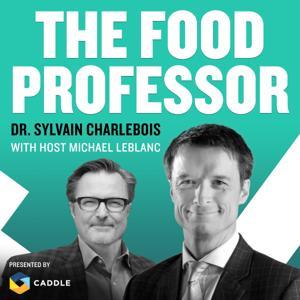
Here we go! We’re kicking off Season 2 of Aisle 42 with none other than The Food Professor! I chatted with Dr. Sylvain Charlebois—a leading voice in Canadian agriculture and food policy. He advises all levels of government, he ruffles feathers and he has a real knack for uncovering the broken bits of our food system.
In this episode, we dive into the complexities of food prices, the intersection between sustainability and consumer demand, industry drivers for CPG businesses, the promises and pitfalls of carbon taxes, supply chain challenges, the consumer's role in fuelling innovation, and the fascinating future of food tech. We even learn about his obsession with poutine!
Here's the link to The Food Professor Podcast and the Canada Food Price Report 2025.
Note: If you work in the CPG industry and you give a damn about people and our planet, and the future of the grocery store then I’d love to get my team to help you scale more sustainability… faster. I’m easy to find on LinkedIN or you can email me directly by visiting ethicalfoodgroup.com. I’ll see you in the future.
Here's a summary of this interview:
Food System Focus: Sylvain emphasizes the importance of centering the consumer in the food system to drive innovation and improve the agri-food sector.
Podcast Dynamics: Corwin appreciates the dynamic nature of Sylvain and Michael’s podcast, particularly during on-location recordings, which bring vibrant discussions.
Poutine Nation Book: Sylvain wrote a book on the global phenomenon of poutine, aiming to honor its regional roots and explore its unexpected global popularity. A documentary on poutine is also in the works.
Food Price Report: The 15th Food Price Report highlights inflation and the differences between countries like Ireland and Canada, emphasizing supply chain discipline and competitiveness.
Grocery Code of Conduct: While the adoption of the grocery code by Canada’s "big five" grocers is a positive step, Sylvain expresses skepticism about its immediate impact and views it as a work in progress.
Carbon Tax Debate: Sylvain critiques the lack of analysis on the carbon tax’s impact on food prices and food security. He suggests shifting the focus toward decarbonizing markets and incentivizing industries through systems like cap and trade.
Consumer Demand for Sustainability: There is significant, albeit fragmented, consumer demand for sustainability in food. However, industries and governments need to make a stronger case and implement effective policies to harness this demand.
Food Security in Canada: Sylvain identifies logistics and supply chain resilience as the most significant threats to Canada's food security, advocating for better infrastructure and integration across regions.
Emerging Food Technologies: Cellular agriculture, particularly cultured meat, intrigues Sylvain. He notes global advancements in this area, contrasting them with Canada’s slow progress.
Sustainable Innovation Challenges: Sylvain discusses the challenges industries face, including reconciling environmental goals with profitability, addressing obesity, and responding to the growing impact of pharmaceuticals like Ozempic on consumer behavior.
This is the final episode of Season 1 and I’m going bananas (insert laugh track here?, ah no?). In this chat with Jennie from Equifruit, we dive into the complexities of the global banana supply chain and the mission behind their fair trade business model.
Jennie takes us behind the scenes of conventional banana farming practices and how they have contributed to low wages, poor working conditions, and environmental harm.
Her solution? It’s simple. If the average household would be willing spend an additional $10 a year on bananas we would make a significant impact on farmers’ lives, ensuring fair employment, safe working conditions, and environmentally responsible practices.
To learn more please visit https://equifruit.com.
To learn more about the people and purpose behind this podcast go to: https://www.ethicalfoodgroup.com
Here are highlights from the conversation:
Mission-Driven Approach: Equifruit is committed to importing only fair trade bananas, ensuring fair wages, safe working conditions, and environmental stewardship in the banana industry.
Addressing a Broken Supply Chain: Jennie highlights that conventional banana farming relies on cheap prices, which lead to low wages, poor working conditions, and environmental degradation.
Affordable Change for Consumers: Switching to fair trade bananas costs consumers about $10 more per year, a small price that can create substantial positive impact for banana workers and farmers.
Support from Major Retailers: Equifruit's fair trade bananas are available at major stores, including Walmart and Costco, with Jennie noting the importance of supportive retail partners, whom she calls “banana badasses.”
Global Fair Trade Banana Vision: Jennie envisions a world where 100% of bananas are bought and sold on fair trade terms, striving for a fairer distribution of value in the industry.
Impact of Consumer Choices: Equifruit encourages consumers to request fair trade bananas from their grocery stores, fostering a grassroots movement for sustainable change.
Marketing with Humor: Equifruit uses humor in its marketing, with campaigns like “the only banana that sharks eat,” combining lighthearted messages with impactful information on fair trade.
Women-Owned, B Corp Certified: Equifruit is a women-owned company and a certified B Corp, setting it apart in an industry dominated by large corporations.
Positive Industry Influence: Major banana companies have noticed Equifruit’s approach, and Jennie is encouraged by their interest, seeing this as a step towards industry-wide change.
Consumer Awareness of Fair Trade: Jennie believes in the importance of consumers understanding the impact of their banana purchases, seeing fair trade standards as the basis for ethical food sourcing.
Sometimes the most sustainable solution can also be the simplest and that’s certainly true in the snacking aisle now that we can buy nutritious upcycled fruit chips made right where they’re grown. In this episode, Sarah Goodman, the founder of Chiwis, shares her journey and passion for creating flavour packed, crispy tropical fruit snacks that are good for people and our planet.
Sarah shares the challenges of scaling a sustainable business, sourcing upcycled fruit, and finding partners and retailers who align with Chiwis’ values. She also opens up about the joys and challenges of being a women-owned business in the food industry and the milestones Chiwis is striving for and reached. You’re also going to love her wildcard answer to ‘the big question’ right off the top.
To learn more about these delicious upcycled fruit snacks visit https://chiwis.co/.
To learn more about who makes this podcast and why visit https://www.ethicalfoodgroup.com/.
Here's the highlights:
Product Origin: Sarah started Chiwis out of her passion for healthy snacks and nutrition, initially making kiwi chips for hikes and camping.
Growth Journey: Chiwis has grown from a small startup to being available in major retailers like Whole Foods, Costco, and independent stores across Canada and the U.S.
Upcycling Mission: Chiwis uses upcycled fruit, including "ugly" fruits, to reduce waste, using as much of the fruit as possible, including skins and rinds, for a minimal-waste, nutrient-rich product.
Retail Strategy: Chiwis is strategically placed in the “healthy snacking” sections of stores for better visibility, although some retailers misplace them in produce, impacting sales.
West Coast Expansion: Focused on the U.S. West Coast for expansion due to similar consumer values and logistical ease compared to sending products across Canada.
Women-Owned Business Impact: Sarah values the support from women investors and sees the “women-owned” label as an asset in connecting with her target audience.
Export Challenges and Partnerships: Sarah has navigated complexities in sourcing upcycled fruit and finding co-manufacturing partners near farms, vital for sustainability and quality.
Awards and Recognition: Chiwis has been nominated for several sustainability and innovation awards, including the BC Rise Awards and CHFA Launch Pad Award.
Celebrity Shoutouts: Sarah dreams of getting her product in the hands of celebrities like Chelsea Handler and Mark Marin, who were inspirations during her early days in business.
Future Aspirations: Light-heartedly, Sarah suggests Ryan Reynolds could buy Chiwis in a few years as she considers potential future growth and expansion opportunities.
In this epidote of Aisle 42 we sit down with a farmer! An orchardist in fact, and we talk about all things fruit and upcycling. Gagan Lasser is the President of Lass Chance Beverage Co. and you’re going to really enjoy they’re take on a bold mission to reduce food waste.
They transform unsellable whole fruit into juice, sparkling sodas and ciders made from things like peaches, pears, and even the dark horse of the farming world, the haskap berry.
We chat through the importance of sustainable practices, using AI to sorting produce, and some of the harder realities of managing crops exposed to the elements. We also talk about their farm-to-bottle journey, agricultural stewardship, and their zero food waste mojo.
Learn more visit https://www.lasschance.com/.
If you would like to get to know the people and the purpose behind this podcast visit https://www.ethicalfoodgroup.com/.
Here's the highlights:
Last Chance Beverage Co. transforms unsellable farm produce into high-quality beverages, aiming to reduce food waste.
Located in Keremeos, BC, the company is family-owned and operates on a sustainable farm that’s been in business since 1988.
The company started by upcycling excess apples into juice and now produces a variety of products, including sparkling sodas and ciders from peaches, pears, and haskap berries.
Last Chance employs advanced AI sorting technology on the farm to categorize produce, allowing them to upcycle "ugly" or misfit fruits.
They focus on sustainability, using integrated pest management to reduce chemical use and prevent waste at each stage of the farming process.
Their beverages are packaged in glass bottles, reflecting the brand’s premium image and commitment to environmental impact.
The company recently opened a 7,000 square-foot on-farm tasting room and production facility, offering a unique farm-to-bottle experience for visitors.
They are expanding distribution of their products across Western Canada, with plans to enter Eastern Canada soon.
Last Chance has a “zero food waste” mission, using every part of the fruit, including turning unused portions into animal feed and other by-products.
Lasser emphasizes the brand’s philosophy that “there’s no such thing as a bad apple,” symbolizing their commitment to upcycling and sustainability.
Each and every episode of Aisle 42 highlights the intersections between sustainable food and beverage making, the industry the supports them and consumers that give a damn about our health and the world around us.
In this conversation with Krista from EcoCERT Canada we cover some really interesting ground around food growing and manufacturing, biodiversity, respect for the planet, and how ethical practices can impact the souls of those behind our food supply chain.
We'll also delve into the wonderful world of Fair for Life certification.
Whether you're curious about how certification processes work or interested in how they impact the food you buy, this episode will make you think differently about your next trip to the grocery store.
To learn more about how Krista’s beloved certification is making the word a better place go to https://fairforlife.org.
To learn about who is behind this podcast go to: https://www.ethicalfoodgroup.com/podcast
Here’s a summary of this interview:
Vision for the Future Grocery Store: Krista imagines a grocery store that emphasizes diversity in food, packaging, and architecture, promoting sustainability and respect for people and the planet.
EcoCERT Overview: EcoCERT is an international certification body focused on sustainability, with a range of standards, including organic certifications and Fair for Life, among others.
Role of Certifications: Krista emphasizes the importance of certifications like Fair for Life in ensuring that products meet high environmental and social standards, particularly in fair trade practices.
Fair for Life Certification: This certification goes beyond traditional fair trade, emphasizing social and environmental responsibility, as well as robust relationships between producers and buyers.
Challenges in Consumer Understanding: Communicating the complexity of certifications like Fair for Life to consumers through a simple logo is a significant challenge, but it's crucial for transparency.
Importance of Diversity in the Supply Chain: Krista advocates for diversity across the entire supply chain, from sourcing and production to packaging and store design, to support sustainability.
Certification Standards and Global Consistency: Krista's role involves ensuring that certification standards are applied consistently worldwide, regardless of where the certified operations are located.
Audit and Label Fatigue: EcoCERT is aware of the challenges companies face with multiple certifications and audits, and they are working to streamline processes to reduce this burden.
Support for Smaller, Committed Brands: Fair for Life certification is more stringent and often appeals to smaller brands that are deeply committed to ethical practices.
Future of Fair for Life: While Fair for Life may not reach the mass marketing levels of other certifications, it remains a crucial standard for ensuring transparency and ethical practices in the food system.
Holistic nutrition, delicious meal replacements, plant-based innovation, and the healing power of love, science, and determination - THAT’s what’s in store for you in this episode of Aisle 42 where I talk with Paul from Heal. If you’ve ever blended up some smoothie or vitamin powder and felt like your taste buds, body, and bowels deserve better… then you’re going to love this conversation.
And for those of you interested in this kinda stuff, yes - Heal is a part of our Ethical Food Group family.
To learn more about everything Paul and his team are up to visit https://drinkheal.ca/
To learn about who is behind this podcast go to: https://www.ethicalfoodgroup.com/podcast
Here’s a summary of this interview:
Introduction to Heel: Paul Tylla shares the inception of Heel, a plant-based nutrition product inspired by his personal experiences and commitment to providing better nutritional solutions for his loved ones.
Vision of Future Grocery Stores: Paul envisions a grocery store of the future filled with whole foods, sustainability, and an emphasis on quality over quantity, where food acts as medicine.
Personal Journey: Paul's journey into entrepreneurship began when he cared for the mother of his children, who was diagnosed with ALS. This experience led him to question the quality of nutritional products available for the sick.
Challenges in Product Development: Paul discusses the complexities of formulating a high-quality product that meets Health Canada's guidelines for meal replacement without using synthetic additives.
Focus on Health: Heel is designed for people who prioritize health, vitality, and longevity over mere appearance or performance enhancement.
Plant-Based Ingredients: The decision to make Heel plant-based was driven by a desire to avoid cheap fillers and to leverage the nutritional benefits of plants, reducing inflammation and promoting overall health.
Consumer Feedback: Consumers report feeling tangible benefits from using Heel, such as increased energy and improved well-being, due to the high bioavailability of the plant-based nutrients.
Product Versatility: Heel stands out for its ease of use, palatable taste, and lack of common issues like chalkiness found in other nutritional powders. It can be easily mixed with water or other beverages.
Commitment to Quality: Heel's formulation is rooted in a commitment to providing the best possible product, avoiding compromises on quality, and ensuring that every ingredient is beneficial.
Educational Mission: Paul emphasizes the importance of educating consumers about the benefits of plant-based nutrition and the holistic approach of integrating nature's intelligence into product development.
Let’s continue our walk down the organic wild side. In this episode of Aisle 42 we talk with Ian Walker, affectionately known as the "organic godfather of Western Canada."
Ian is the visionary co-founder of Hippie Snacks and Left Coast Naturals, two brands that are known for quality, transparency, and sustainability in the food industry.
From his humble beginnings selling peanut butter at a local market to leading a movement toward clean, simple ingredient snacks, Ian shares his incredible journey and the inspirations that have fuelled his nearly 30-year career in organics.
To learn more go to: https://www.hippiesnacks.com/
To learn about who is behind this podcast go to: https://www.ethicalfoodgroup.com/podcast
Here’s a summary of this interview:
Introduction and Legend: Ian Walker is introduced as the "organic godfather of Western Canada," setting a high expectation for his expertise and influence in the organic food industry.
Perfect Grocery Store Vision: Walker imagines a future grocery store centered on transparency, where consumers can easily see the origins and contents of their food, and consistent regulations ensure clarity on health and environmental claims.
Transparency and Supply Chain: Both Walker and Hiebert agree on the importance of supply chain transparency, which would help consumers make more informed and confident choices about their food.
Hippie Snacks Popularity: A personal anecdote highlights the popularity of Hippie Snacks, specifically the banana bread crisps, showing the positive reception and enjoyment from consumers.
Journey to Organic Business: Walker shares his journey into the organic food industry, starting from a partnership with a friend and evolving through a passion for sustainability and nutrition.
Bulk Ingredients and Future of Bulk Buying: Discussion on the importance of bulk buying in grocery stores, emphasizing its alignment with consumer demands for transparency, less packaging, and reduced food waste.
Challenges of Organic Understanding: Walker notes the widespread misunderstanding of organic certification and the need for better storytelling to convey its comprehensive benefits beyond being pesticide-free.
Advocacy and Consumer Education: Walker emphasizes the need for concise storytelling about the benefits of organic foods and the efforts to educate consumers and store staff to improve understanding and support.
Hippie Snacks Products: An overview of the products made by Hippie Snacks, including crisps made from avocado, cauliflower, almonds, and bananas, as well as granolas and clusters. Walker’s current favourite is the apple cinnamon high-fiber granola.
Commitment to Quality and Flavour: Walker's commitment to not compromising on taste, even taking an extra year to perfect a vegan cheese almond crisp, highlights the brand's dedication to delivering delicious and high-quality products.
From the publisher's feed
If you give a damn about the food you eat and how it's made then you’ll love Aisle 42—where we take a deeper look at what’s inside our shopping carts. Go behind the scenes of the food and beverage…
4 Listeners

591 Listeners