
Sign up to save your podcasts
Or


For more than a decade, the United States healthcare system has been warned of an impending oncologist shortage that is projected to occur as the population continues to age and the demand for cancer services increases. As integral members of the cancer care team, advanced practice providers (APPS) play a pivotal role in the rapidly evolving oncology ecosystem, bolstering access to quality care. Allowing APPs (e.g., nurse practitioners and physician assistants) the privilege to sign anti-cancer treatment orders not only improves access to high-quality cancer care, it can also free up physician time to see more new patients and streamline clinic workflow.
Guest:
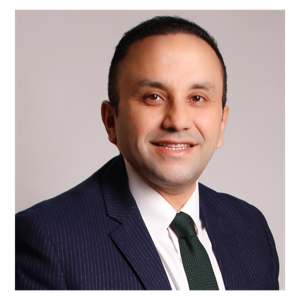
Archana Ajmera, MSN, ANP-BC, AOCNP Advance Practice Provider Supervisor University of California San Diego Moores Cancer Center
Resources:
 View all episodes
 By Association of Cancer Care Centers
5
3030 ratings
For more than a decade, the United States healthcare system has been warned of an impending oncologist shortage that is projected to occur as the population continues to age and the demand for cancer services increases. As integral members of the cancer care team, advanced practice providers (APPS) play a pivotal role in the rapidly evolving oncology ecosystem, bolstering access to quality care. Allowing APPs (e.g., nurse practitioners and physician assistants) the privilege to sign anti-cancer treatment orders not only improves access to high-quality cancer care, it can also free up physician time to see more new patients and streamline clinic workflow.
Guest:
Archana Ajmera, MSN, ANP-BC, AOCNP Advance Practice Provider Supervisor University of California San Diego Moores Cancer Center
Resources:
7 Listeners
1 Listeners