
Sign up to save your podcasts
Or

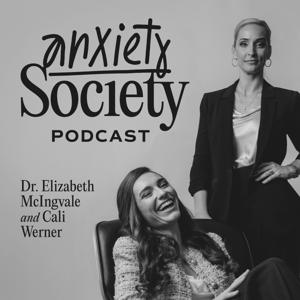


In this engaging episode, Dr. Elizabeth McIngvale and Carli Werner welcome Dr. Adam Wright and Dr. Nick Holton, co-founders of the Antifragility Academy, to explore the concept of antifragility—thriving in the face of stress and adversity. From high-performance athletes to corporate leaders, Adam and Nick share actionable insights on cultivating resilience, developing distress tolerance, and fostering passion and purpose. This conversation dives into science-backed strategies for building mental toughness while staying compassionate and values-driven, making it a must-listen for anyone looking to thrive under pressure.
Key Points:
[0:00] - Meet Adam and Nick: Founders of the Antifragility Academy
Adam and Nick’s backgrounds in mental performance, high-stakes environments, and their passion for empowering others to thrive through adversity.
[13:30] - What is Antifragility?
A breakdown of antifragility, its differences from resilience, and why leaning into discomfort can foster personal growth.
[18:45] - Distress Tolerance and the Science of Thriving
How distress tolerance is a cornerstone for success, and the role of mindset, self-regulation, and exposure to adversity in building antifragility.
[28:00] - The Role of Environment in Growth
How parenting, leadership, and workplace dynamics can promote or hinder resilience and antifragility in individuals.
[39:20] - Top Frameworks for Building Antifragility
Practical strategies: cognitive (mindset), physiological (nutrition, exercise), and social (relationships).
[43:15] - Final Takeaways from Adam and Nick
Top tips for blending discipline with self-compassion, aligning goals with core values, and diversifying one’s identity for a resilient life.
Quotable Moments:
[15:12] “Antifragility is about thriving through stress, not just bouncing back from it.”—Dr. Nick Holton
[28:44] “We must learn to be comfortable being uncomfortable; it’s a skill that transforms how we handle challenges.”—Dr. Adam Wright
[44:22] “Fierce drive must always be matched with fierce self-compassion.”—Dr. Adam Wright
Links Mentioned:
• Antifragile Academy: https://www.theantifragileacademy.com/
• Marc Schultz’s Book: The Good Life: https://a.co/d/iw80fm2
• Jonathan Haidt’s Research: https://jonathanhaidt.com/
• Anxiety Society Podcast Website: https://www.anxietysocietypodcast.com
Dr. Adam Wright and Dr. Nick Holton offer a fascinating deep dive into the science of antifragility and its application in everyday life. Whether you’re a parent, leader, athlete, or just looking to grow stronger through challenges, this episode delivers actionable tips for building resilience and thriving under pressure. Be sure to subscribe, share this episode to help spread the message of antifragility!
Episode Overview:
This episode explores the concept of clinical vulnerability with Dr. Emily Bailey, a professor at Oglethorpe University and expert in anxiety and OCD. Join us as we discuss the importance of making mistakes, the art of exposure therapy, and how clinicians can best support their patients through open communication and personalized treatment.
Key Insights:
Notable Quotes:
Timestamps:
Guest Links:
Call to Action:
In this inspiring episode, Dr. Elizabeth McIngvale and Cali Werner sit down with Aneela Idnani Kumar, a TED Talk speaker, entrepreneur, and advocate for individuals living with body-focused repetitive behaviors (BFRBs) such as trichotillomania (hair pulling). Aneela shares her personal journey from silent suffering to creating HabitAware, a smart bracelet that helps users bring awareness to their BFRBs and make meaningful changes. This episode dives into mental health innovation, stigma reduction, and how to transform pain into purpose.
Key Points:
[0:00] - Introduction to Aneela Idnani Kumar and HabitAware
Meet Aneela, a TED Talk speaker and inventor of HabitAware, a Time Magazine Best Invention, aimed at helping individuals with BFRBs like hair-pulling and skin-picking.
[15:50] - Turning Pain Into Purpose
Aneela reflects on how her father’s cancer diagnosis triggered her BFRB and how her personal struggles inspired her to create tools that help others.
[22:54] - How HabitAware Works
Learn how the HabitAware bracelet tracks behaviors in real time, notifies wearers, and supports behavioral change—integrating seamlessly into therapy.
[32:26] - Breaking the Silence Around BFRBs
Aneela discusses the stigma surrounding BFRBs and how awareness, education, and compassion can encourage individuals to seek help earlier.
[37:30] - Advice for Those Suffering in Silence
Aneela shares heartfelt advice for anyone struggling with BFRBs: from self-compassion to seeking support, you don’t have to walk this journey alone.
Quotable Moments:
[22:51] “Turning pain into purpose is the most powerful thing we can do.”—Aneela Idnani
[32:44] “Suffering in silence keeps you stuck. Taking the first step—telling someone—changes everything.”—Aneela Idnani
[37:25] “Your behavior doesn’t define you. There’s help, hope, and community waiting for you.”—Aneela Idnani
Links Mentioned:
• HabitAware: www.habitaware.com
• Aneela’s TED Talk: https://youtu.be/WkfBtT4VbI4?si=HPyyD91KGISLp_s7
• Anxiety Society Podcast Website: www.anxietysocietypodcast.com
Aneela’s inspiring journey is a testament to the power of awareness and the importance of turning personal challenges into opportunities to help others. If you or someone you know struggles with BFRBs, this episode is a powerful reminder that healing is possible, and you don’t have to face it alone. Subscribe, leave a review, and share this episode with someone who needs it!
In this episode, hosts Dr. Elizabeth McIngvale and Cali Werner explore body-focused repetitive behaviors (BFRBs) like hair-pulling and skin-picking with Dr. Suzanne Mouton-Odum, a leading expert in cognitive-behavioral therapy (CBT). They discuss the science behind BFRBs, the importance of comprehensive treatment, and how to reduce shame while promoting self-regulation. Whether you’re a professional, a parent, or someone experiencing these behaviors, this episode is packed with insights and actionable advice to foster understanding and support.
Key Points:
[0:00] - Introduction to Anxiety and Today’s Topic
Election Day sets the stage for a candid conversation about anxiety, self-regulation, and the challenges of navigating tense moments.
[8:15] - What Are BFRBs and Why Do They Matter?
Dr. Mouton-Odum defines BFRBs as self-regulation behaviors and dives into their complexity, including their emotional, sensory, and psychological triggers.
[17:50] - Dispelling Myths About Trauma and BFRBs
A discussion on why BFRBs are often misunderstood and not always linked to past trauma, emphasizing the importance of targeted treatment.
[27:00] - Comprehensive Behavioral Treatment (Comb)
Exploring the core principles of Comb therapy, including sensory, cognitive, emotional, motor, and environmental factors.
[43:30] - Breaking the Shame Cycle and Promoting Awareness
How understanding the function of behaviors can reduce shame and foster effective treatment for individuals struggling with BFRBs.
Quotable Moments:
[7:30] “Anxiety isn’t dangerous; it’s uncomfortable, but it’s part of living.”—Cali Werner
[20:45] “You are not the sum of your anxiety, OCD, or hair-pulling. You are a whole human being.”—Dr. Suzanne Mouton-Odum
[47:15] “Shame impacts the whole person. Addressing the behavior is just the beginning.”—Dr. Suzanne Mouton-Odum
Links Mentioned:
• TLC Foundation for Body-Focused Repetitive Behaviors: www.bfrb.org
• Anxiety Society Podcast Website: www.anxietysocietypodcast.com
Dr. Mouton-Odum’s expertise highlights the importance of addressing both the behaviors and the shame associated with BFRBs, while empowering individuals with practical tools. If you or someone you know struggles with BFRBs, this episode provides hope, insight, and actionable strategies. Don’t forget to subscribe, and join the Anxiety Society community to continue this important conversation.
Welcome back to The Anxiety Society podcast! In today’s Q&A episode, Dr. Elizabeth McIngvale & Cali Werner tackle listener questions on a variety of topics related to anxiety, therapy, & life changes. Join us for a quick, fun, & informative discussion that offers valuable insights and actionable advice.
In this episode, we cover:
Key Insights:
Notable Quotes:
Call to Action:
We want to hear from you! Submit your questions for future Q&A episodes on our website at anxietysocietypodcast.com or email us at [email protected]. Subscribe to The Anxiety Society podcast on your favorite platform, leave a review, and follow us on Instagram @theanxietysocietypod for more anxiety-related content + community connection!
Episode Overview:
In this Valentine's Day couples episode, we explore the complex interplay of relationships & anxiety with special guest, Tyler, Cali's husband. Join us as we discuss how anxiety can impact relationships, communication strategies for couples, & the importance of self-reflection + growth. We also share personal stories + practical tips for navigating anxiety in relationships, including insights into Cali & Tyler's relationship journey. This real, raw, and unfiltered conversation offers valuable tools for strengthening your relationship while managing anxiety.
Key Insights:
Notable Quotes:
Timestamps:
Call to Action:
Episode Overview: This episode explores the intricate connection between physical health, particularly gut health and hormonal balance, and its impact on anxiety and overall well-being. Dr. Elyse Martin (Cho), a certified nurse midwife and women's health expert, joins the podcast to discuss functional medicine and its role in addressing the root causes of anxiety, rather than just managing symptoms. She highlights the importance of understanding the body as an interconnected system and emphasizes the need for a holistic approach to health and wellness.
Key Insights:
Notable Quotes:
Call to Action:
Connect with Us:
This special episode of The Anxiety Society Podcast brings back Evan Weinberger, founder of Staying Ahead of the Game, to answer listener questions on executive functioning. Hosts Dr. Elizabeth McIngvale and Cali Werner explore practical strategies for overcoming procrastination, building problem-solving skills, and understanding cultural influences on productivity. Evan shares insights on how parents, professionals, and students can develop systems tailored to their unique challenges.
Key Points:
- [0:40] - Procrastination and Productivity Hacks
The hosts and Evan discuss their personal struggles with procrastination and strategies for initiating tasks when motivation is low.
- [7:18] - Executive Functioning Defined
Evan explains executive functioning as the brain's "air traffic control system" for managing multiple tasks, deadlines, and decisions.
- [12:40] - Learned Helplessness in Families
How well-meaning parents may unintentionally reinforce dependency in kids, limiting their executive functioning growth.
- [20:45] - Teaching Problem-Solving Skills
Evan shares how failure and natural consequences can help children and employees develop better problem-solving abilities.
- [30:15] - Cultural Influences on Executive Functioning
A fascinating discussion on how cultural norms, such as attitudes toward punctuality or politeness, shape perceptions of productivity.
Quotable Moments:
[7:35] "Executive functioning is like the brain’s air traffic control system—it keeps all the planes from crashing." - Evan Weinberger
[20:20] "We don’t learn from our successes; we grow from our failures." - Evan Weinberger
[33:18] "Your system might work for you, but it might not work for everyone else—and that’s okay." - Dr. Elizabeth McIngvale
Links Mentioned:
This episode is packed with actionable tips for tackling executive functioning challenges. Whether you're a parent looking to support your child, a professional navigating workplace demands, or someone working on personal growth, there’s something here for you. Share this episode with someone who might benefit, and don’t forget to leave a review to help others find The Anxiety Society Podcast.
In this episode of The Anxiety Society Podcast, hosts Dr. Elizabeth McIngvale and Cali Werner sit down with Evan Weinberger, an expert in executive functioning. Together, they explore the essentials of executive functioning skills—what they are, why they matter, and how to develop them. Evan shares practical strategies for improving organization, time management, and self-presentation while reflecting on personal and professional anecdotes that highlight the importance of building effective systems.
Key Points:
- [0:08] - Introduction to Anxiety and Executive Functioning
Dr McIngvale and Cali kick off the episode discussing how executive functioning skills are vital for managing anxiety and staying productive.
- [2:10] - Meet Evan Weinberger
Evan shares his unique journey from studying psychology and coaching executives to helping kids master essential life skills.
- [5:44] - The Modern Attention Span Crisis
Evan delves into how today's constant digital stimulation impacts our attention spans and executive functioning.
- [25:08] - The Role of Transitions in Executive Functioning
Why life changes like becoming a parent or transitioning to college can disrupt systems—and how to adapt.
- [45:03] - Teaching Kids Early Habits
Practical tips for parents to model and teach organizational routines to children.
- [1:00:15] - Building Systems That Work for You
Evan emphasizes the importance of finding personalized systems for managing time, tasks, and impressions.
Quotable Moments:
[5:10] "The hardest part of school isn't the material—it's juggling everything without letting the balls fall." - Evan Weinberger
[27:14] "Transitions bring turbulence, but they also push us to build better systems." - Evan Weinberger
[45:46] "Modeling is the most powerful way to teach—your kids are always watching." - Evan Weinberger
Links Mentioned:
Evan inspires us to rethink our relationship with organization and productivity. Whether you’re a student, parent, or professional, improving your executive functioning can lead to a more balanced, efficient life. Don’t forget to subscribe, share this episode, and leave us a review on your favorite podcast platform. For more resources, visit our website or follow us on social media.
In this Q&A episode of The Anxiety Society Podcast, hosts Dr. Elizabeth McIngvale and Cali Werner tackle listener questions about anxiety's root causes, diagnosis, and treatment. From understanding the differences between generalized anxiety and OCD to exploring the challenges of cultural stigma, this episode is packed with actionable advice and expert insights. Plus, a teaser for a future episode on parenting anxieties!
Key Points:
- [0:25] - Embracing Listener Questions
Why Q&A episodes foster real-world conversations and encourage audience engagement.
- [3:00] - Personal Anxious Moments
Carly and Elizabeth share recent experiences, including road rage incidents and wedding social fatigue.
- [6:00] - Understanding Anxiety’s Roots
Anxiety often stems from the fear of uncertainty and societal pressures for immediacy and certainty.
- [11:10] - How to Get Diagnosed with Anxiety
The difference between full psychological assessments and clinical diagnoses through therapy.
- [15:00] - Types of Anxiety Disorders
A breakdown of common conditions like OCD, generalized anxiety, social anxiety, and phobias.
- [20:02] - Cultural and Societal Influences on Anxiety
How cultural norms, stigma, and socioeconomic factors shape anxiety experiences and treatment access.
- [24:15] - Managing Anxiety-Inducing Situations
Tips for addressing triggers in everyday life, such as work stress, relationship conflicts, and public speaking fears.
- [28:40] - Anxiety Treatment Misconceptions
Debunking myths about quick fixes and highlighting the importance of evidence-based cognitive behavioral therapy.
- [32:10] - The Role of Self-Compassion in Anxiety Management
How being kind to yourself can reduce the intensity of anxious feelings and improve resilience.
- [37:20] - Parenting and Anxiety
A sneak peek into how parental anxiety impacts children, with a promise of a deeper dive in the next episode.
Quotable Moments:
[6:35] "Anxiety latches onto what matters to us most—our values, our goals, our loved ones." - Dr. Elizabeth McIngvale
[11:50] "A psych assessment is like a full diagnostic roadmap; therapy is your car on the journey to healing." - Carly Werner
[29:40] "Treatment for anxiety isn't about getting rid of it—it's about changing your relationship with it." - Dr. Elizabeth McIngvale
Links Mentioned:
Thanks for tuning in to this special Q&A episode! Keep submitting your questions at our website to be featured in upcoming episodes. Don’t forget to subscribe, leave a review, and follow us on Instagram at @theanxietysocietypod. Together, we can transform how we navigate anxiety.
From the publisher's feed

4,379 Listeners
7 Listeners

42 Listeners

0 Listeners
3 Listeners

9 Listeners
12 Listeners

33 Listeners

0 Listeners