
Sign up to save your podcasts
Or

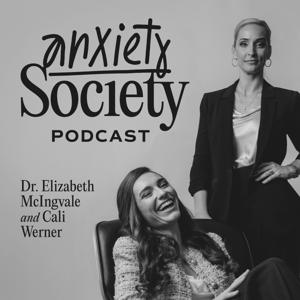


In this episode of The Anxiety Society Podcast, hosts Dr. Elizabeth McIngvale and Cali Werner dive into a Q&A format, tackling a wide range of listener-submitted questions. From understanding the difference between anxiety and OCD to overcoming performance anxiety, this episode is packed with insights and practical advice. They also explore how avoidance can fuel anxiety, discuss the role of therapy, and offer tips on how to maintain a healthy mindset amidst life’s challenges. Whether you’re curious about managing anxiety in everyday life or want to support others, this episode offers actionable steps to reclaim control over anxiety.
Key Points:
- [0:00] Welcome & Introduction
Dr. McIngvale and Cali introduce the Q&A format, highlighting the variety of listener questions.
- [3:24] Anxious Moments
Cali shares a personal story about feeling torn between fun and family obligations, reflecting the common struggle of anxiety and guilt.
- [6:15] Difference Between Anxiety and OCD
The hosts clarify key differences between anxiety and obsessive-compulsive disorder (OCD), noting that OCD involves specific intrusive thoughts and rituals aimed at reducing distress.
- [14:10] How to Identify Good vs. Bad Therapy
The hosts discuss the importance of therapy that moves you forward, explaining the effectiveness of Cognitive Behavioral Therapy (CBT) and why "talk therapy" might not be helpful for anxiety.
- [30:28] Tackling Performance Anxiety in Sports
A listener question about performance anxiety leads to a discussion on how to handle nerves and approach performance in a healthy way, using exposure and cognitive reframing.
- [33:11] When Anxiety Becomes Abnormal
How to differentiate between normal anxiety and when it becomes a disorder, impacting your daily life and relationships.
Quotable Moments:
- [0:00] "If you're ready to step outside of your comfort zone and explore the unfiltered truth that will help you change your entire relationship with anxiety, you’re in the right place." – Dr. McIngvale
- [15:25] "If you feel like you are really struggling with mental health, but you don't know what's going on, start with a full psychological assessment." – Cali
- [32:50] "When you avoid anxiety, you're teaching yourself that you can't tolerate it, which just feeds it even more." – Dr. McIngvale
Links Mentioned:
- Website: http://AnxietySocietyPodcast.com
- Instagram: https://instagram.com/theanxietysocietypod
Thank you for tuning in to this Q&A episode! If you have more questions or need advice on dealing with anxiety, don’t hesitate to submit your questions on our website or through social media. Remember to subscribe to the podcast so you never miss an episode, and if you found this helpful, please leave us a review!
Mentioned in this episode:
World Class Treatment For A Worldwide Need
The OCD Institute of Texas provides compassionate individualized treatment for anxiety, OCD and related disorders with a diverse team of dedicated specialists.
In this episode of The Anxiety Society, hosts Dr. Elizabeth Mcingvale and Cali Werner welcome special guest Rogelio Gonzalez, M.A.,Pre-Doctoral Fellow, to dive into the pervasive issue of imposter syndrome. Sharing personal experiences and professional insights, they unpack why so many of us feel like frauds, even when we're more than qualified. Together, they explore strategies for overcoming these self-doubts through mindset shifts, setting realistic goals, and embracing growth. This conversation is raw, real, and packed with practical advice for anyone battling their inner imposter.
Key Points:
[0:06] - Introduction to The Anxiety Society Podcast
Dr. Elizabeth Mcingvale and Cali Werner introduce the podcast's purpose: discussing anxiety in an unfiltered way, pushing boundaries to help listeners better understand and manage it.
[1:10] - Meet the Guest: Rogelio Gonzalez
The hosts introduce Ro, a clinician passionate about helping people manage their mental health, who shares his unique journey into the field of psychology.
[2:17] - Imposter Syndrome Defined
The team defines imposter syndrome and why it resonates with so many, even among highly qualified professionals. They explore how it affects both personal and professional lives.
[8:00] - Personal Experiences with Imposter Syndrome
The hosts and Rogelio share moments where they’ve felt like imposters, from clinical work to social circles. Liz reflects on how imposter syndrome can pop up even in areas where she is otherwise confident.
[24:14] - The Imposter Cycle & Breaking It
The hosts discuss the imposter syndrome cycle and how over-preparing, self-doubt, and feeling like a fraud perpetuate these feelings. They share practical tips on setting process-based goals instead of outcome-based ones.
[35:01] - Tackling Imposter Syndrome in the Workplace
Ro and Cali share how workplace environments can either fuel or help alleviate imposter syndrome, and how peer support plays a crucial role in overcoming these feelings.
[42:00] - Steps to Conquer Imposter Syndrome
The episode concludes with actionable steps to overcome imposter syndrome, including setting realistic goals, cognitive restructuring, celebrating small wins, and practicing self-compassion.
Quotable Moments:
[2:20] “I think the biggest question people have is, what do I do about it? I feel it, now what?” — Cali Werner
[8:16] “I remember thinking, I can’t be here. I must have cut a corner somewhere.” — Rogelio Gonzalez
[35:12] “We can’t treat everyone successfully every time... but that doesn’t make us bad clinicians.” — Dr. Elizabeth Mcingvale
Links Mentioned:
Imposter syndrome is something that so many of us battle, but you don’t have to fight it alone. Listen to this episode for practical strategies and advice to start overcoming those feelings of inadequacy today. Be sure to subscribe and leave us a review to help others find this valuable content.
Mentioned in this episode:
World Class Treatment For A Worldwide Need
The OCD Institute of Texas provides compassionate individualized treatment for anxiety, OCD and related disorders with a diverse team of dedicated specialists.
Mom guilt—we all face it and together we can change it. In this episode of The Anxiety Society, hosts Dr. Elizabeth McIngvale and Cali Werner discuss this universal struggle with special guest Ericka Graham. Together, they explore how conflicting priorities and societal expectations fuel guilt, while offering practical tips to manage it. From setting healthy boundaries to reframing guilt as a tool for growth, this episode provides a compassionate and candid look at what it really means to navigate motherhood and anxiety. Whether you're a new mom or seasoned parent, you'll find relatable stories and advice to help lighten the emotional load.
Key Points:
- [0:00] - Welcome to The Anxiety Society
Dr. Elizabeth and Cali discuss the podcast's mission to address anxiety in everyday life and introduce special guest Ericka Graham.
- [2:00] - Anxious Moments
Each week our hosts share their recent anxiety-inducing moments brought on by everyday challenges and events.
- [3:52] - Defining Mom Guilt
Ericka discusses how conflicting core values often drive mom guilt, using personal examples to illustrate the complexity of these feelings.
- [10:44] - Social Comparisons and Guilt
Liz and Cali talk about how social media and comparing oneself to other moms adds to the pressure, while Erica shares how she found balance by setting realistic expectations.
- [22:33] - Managing Anxious Mom Moments
Ericka recalls a moment when she was speaking at an event and watched her baby struggle on a baby monitor, reflecting on the anxiety and guilt this caused.
- [32:40] - Strategies to Cope with Guilt
Practical advice on self-compassion, boundary setting, and the importance of support systems in overcoming guilt.
Quotable Moments:
- [0:54] "Our goal is to be real and vulnerable, but also to connect with so many others." - Dr. Elizabeth McIngvale
- [10:07] "Mom guilt is when two or more core values are in conflict with each other." - Ericka Graham
- [38:11] "Anxiety is a reaction to guilt, but underneath it, there's often something we can work through." - Ericka Graham
Links Mentioned:
Motherhood and guilt often go hand in hand, but this episode reminds us that guilt can be a tool for growth. Whether you’re struggling with balancing work and home life, or simply feeling overwhelmed by the expectations placed on moms today, this episode offers actionable insights and heartfelt stories to help you navigate the journey. Don't forget to subscribe, leave a review, and share this episode with a fellow mom who might need some encouragement!
Mentioned in this episode:
World Class Treatment For A Worldwide Need
The OCD Institute of Texas provides compassionate individualized treatment for anxiety, OCD and related disorders with a diverse team of dedicated specialists.
In this episode, Dr. Elizabeth McIngvale and Cali Werner dive into the topic of obsessive-compulsive disorder (OCD), breaking down common misconceptions and explaining the difference between OCD and perfectionism. They explore the nature of obsessions and compulsions, and discuss effective treatment strategies, including Exposure and Response Prevention (ERP). Using real-life examples the hosts illustrate how OCD can manifest, and how treatment offers a path to freedom. Tune in to learn how you can better understand and manage OCD.
Key Points:
[0:00] Welcome to the Anxiety Society Podcast
Dr. Elizabeth McIngvale and Cali Werner introduce the podcast and its mission to challenge common ideas about anxiety and mental health.
[1:20] What is OCD?
The hosts clarify common misunderstandings about OCD, explaining what obsessive-compulsive disorder really entails and the difference between OCD and perfectionism.
[9:00] OCD is Not an Adjective
A deep dive into why using "OCD" as an adjective is incorrect, highlighting the difference between personality characteristics and a debilitating disorder.
[17:16] Obsessions vs. Compulsions
An explanation of the intrusive thoughts (obsessions) and the repetitive behaviors (compulsions) that characterize OCD, along with examples of how they manifest.
[21:53] Subtypes of OCD
The hosts discuss various subtypes of OCD, including contamination fears, harm OCD, scrupulosity, and taboo subjects like sexual intrusive thoughts.
[31:42] Treatment for OCD: ERP
A breakdown of Exposure and Response Prevention (ERP), the most effective treatment for OCD, and how it helps patients regain control.
[43:04] Freedom from OCD
Personal experiences and encouragement on how ERP can lead to freedom, highlighting the importance of facing fears fully rather than "white-knuckling" through them.
Quotable Moments:
[1:20] "We will spend time today talking about what you might think OCD is—and why it may not actually be that." – Cali Werner
[0:59] "OCD is not functional. It makes you less productive, and it causes distress." – Dr. Elizabeth McIngvale
[46:46] "We can handle hard things. We can handle distress." – Dr. Elizabeth McIngvale
Links Mentioned
Thank you for tuning in to today’s episode on OCD! We hope you now have a clearer understanding of what OCD is, how it differs from perfectionism, and how ERP can help you find freedom. If you found this episode helpful, please subscribe to the podcast and leave us a review.
Mentioned in this episode:
World Class Treatment For A Worldwide Need
The OCD Institute of Texas provides compassionate individualized treatment for anxiety, OCD and related disorders with a diverse team of dedicated specialists.
In this episode, your hosts Dr. Liz McIngvale and Cali Werner dive into the intense feelings of political anxiety that often surface during election times. They explore how political beliefs, personal experiences, and the divisive nature of politics impact mental health, especially when the political climate feels overwhelming. Through personal stories and professional insights, the episode offers practical strategies for managing anxiety without being consumed by the turmoil, focusing on setting boundaries, riding the wave of anxiety, and living in alignment with your values.
Key Points:
[0:01] - Intro to Political Anxiety
The hosts introduce the theme of political anxiety, discussing how election seasons can heighten stress levels for many Americans.
[2:07] - Developing Your Own Political Views
A personal story about navigating the process of forming individual political beliefs, different from family or friends, and the challenge of balancing relationships with diverse political perspectives.
[5:12] - The Role of Empathy in Political Conversations
Emphasizing the importance of empathy, the hosts discuss how shame and judgment hinder productive dialogue and suggest approaching conversations with the intent to learn rather than to convince.
[12:50] - Media and Political Characters
Frustration with the discrepancy between politicians' public personas and private behaviors, emphasizing the difficulty in knowing who to trust and how this contributes to anxiety.
[17:02] - Boundary Setting in Political Conversations
Practical advice on setting boundaries with friends or family who have opposing political views, to maintain relationships and mental health during heated times.
[21:50] - Coping with Political Outcomes
How to manage the aftermath of an election when the result isn't what you hoped for, focusing on staying grounded in daily life and not letting anxiety dictate your actions.
Quotable Moments:
[4:25] "When we get stuck in this, I better say this to appeal to these friends... I'm not speaking in my values-based way."
– Cali Werner
[13:00] "Sometimes I feel like, why can't we all just be who we are? It feels like an act, and that makes me anxious and pissed."
– Dr. Liz McIngvale
[30:07] "Political anxiety is no different than other anxiety. You either contribute to it and make it bigger, or you can change it by the way you behave."
– Dr. Liz McIngvale
Links Mentioned:
Anxiety Society Podcast: http://www.anxietysocietypodcast.com
Instagram: @theanxietysocietypod : https://www.instagram.com/theanxietysocietypod
As election season ramps up, it's easy to feel overwhelmed by political anxiety, but you don't have to let it control your life. By setting healthy boundaries, focusing on your values, and practicing self-care, you can manage the anxiety that comes with the season. Remember, the goal isn’t to eliminate anxiety but to navigate through it. If you found this episode helpful, share it with a friend who might need it, and don't forget to rate and review!
Mentioned in this episode:
World Class Treatment For A Worldwide Need
The OCD Institute of Texas provides compassionate individualized treatment for anxiety, OCD and related disorders with a diverse team of dedicated specialists.
Join Dr. Elizabeth Mcignvale and Cali Werner as they return after a two-week hiatus caused by Hurricane Beryl. In this episode, we dive into a Q&A session centered around the impact of the hurricane on our lives, our mental health, and the anxiety lingering in its aftermath. From dealing with heat exhaustion to managing work and personal stress, we share our personal stories and professional insights to help you navigate these challenging times. Tune in for real, raw, and unfiltered discussions about living with anxiety and finding ways to overcome it.
Key Points:
[0:06] - Introduction: Welcome to The Anxiety Society Podcast and our mission.
[1:20] - Hurricane Impact: How Hurricane Beryl affected Houston and our personal lives.
[2:01] - Lingering Anxiety: Coping with anxiety and exhaustion post-hurricane.
[4:11] - Survival Struggles: The challenge of securing basic necessities during the storm.
[5:06] - Healthcare Heroes: A shout out to the dedication of healthcare workers.
[7:10] - Cali’s Anxious Moment: Sleeping with dogs during a power outage.
[8:00] - Elizabeth’s Anxious Moment: Black eye, COVID, and an ear infection.
[17:40] - Listener Q&A: Causes of anxiety disorders and when to seek help.
[19:59] - Workplace Anxiety: Managing anxiety at work and the importance of education.
[22:07] - Reducing Anxiety: Strategies for reducing anxiety and building distress tolerance.
[26:05] - Social Anxiety Tips: Staying present during dates and social interactions.
[28:32] - Self-Care Essentials: The role of self-care in managing anxiety and setting boundaries.
Quotable Moments:
[1:20] "The anxiety is lingering, so we'll talk about that." - Dr. Elizabeth McIngvale
[8:00] "This is reality, and I can't really change it." - Cali Werner
[17:17] "Anxiety can be there, but there also can be actionable steps that need to happen." - Dr. Elizabeth McIngvale
Links Mentioned:
Thank you for joining us today on The Anxiety Society Podcast. If you enjoyed this episode, please rate, follow, share, and leave us a review. Your feedback helps us improve and reach others who might benefit from hearing our message. Remember, together we can change how we live with anxiety.
Mentioned in this episode:
World Class Treatment For A Worldwide Need
The OCD Institute of Texas provides compassionate individualized treatment for anxiety, OCD and related disorders with a diverse team of dedicated specialists.
In this episode of The Anxiety Society podcast, Cali Werner is joined by Dr. Lennie Waite, PhD, OLY, an Olympic steeplechaser and sports psychologist, to explore the phenomenon of post-Olympic blues. The discussion delves into how the high of major achievements, like competing in the Olympics, can lead to emotional dips and anxiety afterward. They also discuss how this issue extends beyond athletes, affecting anyone who experiences a significant build-up to a major life event. Tune in for valuable insights on managing the emotional aftermath of success and learning how to build a balanced, fulfilling life post-accomplishment.
Key Points:
[2:02] – Meet Dr. Lennie: Olympian & Sports Psychologist
Dr. Lennie Waite, incredible career includes competing in the Rio Olympics, sports psychology work with athletes, and her role as a professor and mom.
[4:42] – The Rise of Achievement Anxiety
Dr. Lennie Waite, explains how athletes today not only train physically but also juggle brand-building and social media, contributing to heightened anxiety.
[9:35] – Defining Post-Olympic Blues
Post-Olympic blues refer to the emotional letdown athletes often feel after the thrill of competition fades, leaving a void after months or years of preparation.
[13:00] – Parallels in Everyday Life
Post-event dips aren’t exclusive to athletes. Anyone preparing for significant life events—like a big exam, a wedding, or career achievement—can feel similarly.
[15:40] – The Double-Edged Sword of Achievement
Highlighting how striving for success can be both motivating and draining, emphasizing the importance of balance and having a well-rounded identity.
[34:51] – Preparing for the Crash
Practical strategies for managing the emotional fallout after a big achievement include building a well-rounded identity, mindfulness, and behavior change.
Quotable Moments:
[9:35] "Post-Olympic blues are the letdown of excitement, feeling important, and having the world's attention on you—then waking up one day, and it's gone." – Dr. Lennie Waite, PhD, OLY
[15:03] "Achievement striving is a double-edged sword. It drives you, but at some point, you have nothing left to give, and it just plummets." – Dr. Lennie Waite, PhD, OLY
[35:00] "A huge part of managing post-achievement dips is having a well-rounded identity, so you’re not defined by just one accomplishment." – Cali Werner
Links Mentioned:
Post-achievement anxiety can impact anyone, from Olympians to everyday people. By building a well-rounded identity and preparing for emotional dips, you can manage the aftermath of major life events more effectively. For more insights into anxiety, subscribe to The Anxiety Society and explore our resources on social media. Together, we can change how we deal with anxiety and build healthier, more balanced lives.
Mentioned in this episode:
World Class Treatment For A Worldwide Need
The OCD Institute of Texas provides compassionate individualized treatment for anxiety, OCD and related disorders with a diverse team of dedicated specialists.
In this episode, Dr. Elizabeth McIngvale and Cali Werner dive into the concept of the "inner critic" and how it fuels anxiety through cognitive distortions. They explore how negative stories we tell ourselves can shape our reality, discussing practical strategies to identify, challenge, and reframe these unhelpful thoughts using Cognitive Behavioral Therapy (CBT). They share personal anecdotes, clinical insights, and relatable examples that highlight how to break the cycle of self-criticism and embrace self-compassion.
Key Points:
[0:00] - Welcome and Introduction
Elizabeth and Cali introduce today’s topic: how negative stories and the inner critic influence anxiety. They explain cognitive distortions and how we believe these made-up stories.
[1:18] - Anxious Moments
Both hosts share recent personal experiences where their inner critic got the best of them, leading to overthinking and stress.
[4:07] - Mind Reading and Fortune Telling
A discussion on cognitive distortions like “mind reading” and “fortune telling,” where we assume negative things will happen without evidence.
[5:38] - Cognitive Behavioral Therapy (CBT)
How CBT can help change the negative beliefs we hold about ourselves. They outline the three steps to deal with the inner critic: Name it, Reframe it, and Live it Out.
[12:17] - Reframing Negative Thoughts
The hosts walk through real-life examples of how reframing can stop the cycle of negative self-talk, providing a helpful strategy for combating automatic negative thoughts.
[19:06] - Real-life Work and Relationship Examples
How the inner critic impacts relationships and work scenarios. The importance of communication and challenging assumptions about others' intentions.
[28:05] - Thought Challenge Worksheet
An introduction to a powerful CBT tool, the Thought Challenge Worksheet, which helps reframe negative beliefs through evidence-based thinking.
Quotable Moments:
[5:06] “The more you replay something, the more damage it leaves.” - Dr. Elizabeth McIngvale
[9:55] "Our behaviors empower thoughts—if we change our behaviors, we change how we feel." - Cali Werner
[28:17] "You may not be able to control the first thought, but you can control whether it becomes powerful." - Dr. Elizabeth McIngvale
Links Mentioned:
The stories we tell ourselves can shape our mental health, but through techniques like CBT, we can shift negative self-talk into more constructive thoughts. If you found these tips helpful, try incorporating them into your daily routine and practice living by your new, reframed thoughts. Don’t forget to visit the Anxiety Society website for more resources, and follow us on Instagram for more updates!
Mentioned in this episode:
World Class Treatment For A Worldwide Need
The OCD Institute of Texas provides compassionate individualized treatment for anxiety, OCD and related disorders with a diverse team of dedicated specialists.
In this episode of the Anxiety Society podcast, hosts Dr. Elizabeth McIngvale and Cali Werner are joined by Ryan Judd, a seasoned therapist, to dive into the world of therapy. They explore the distinctions between good and bad therapy, the importance of evidence-based treatment, and how to ensure you or a loved one are getting the right help. From understanding diagnoses to recognizing red flags in therapy, this episode is packed with insights to help listeners navigate their mental health journey effectively.
Key Points:
- [0:00] Welcome and Introduction
Dr. McIngvale and Cali kick off the episode by welcoming Ryan Judd, discussing the importance of understanding what good therapy looks like.
- [0:55] Ryan's Background and Passion for Therapy
Ryan shares his journey into therapy, fueled by personal experiences with anxiety and OCD, and his commitment to evidence-based care.
- [3:03] The Anxious Moments Segment
The hosts share their weekly "anxious moments," from Cali's edgy new look to Ryan's anxiety at a slide park with his nephews.
- [8:10] What is Therapy?
A deep dive into the true purpose of therapy, how it should help solve problems, and why it's not just about feeling good after each session.
- [12:10] Therapy as a Coaching Relationship
Ryan explains how effective therapy should be like a coaching relationship, with structure, goals, and accountability.
- [15:10] Diagnosis and Treatment Planning
The importance of receiving a clear diagnosis and treatment plan within the first few sessions, and why it's crucial for effective therapy.
- [30:43] Red Flags in Therapy
Identifying red flags such as therapists who claim to treat all disorders or use too many different approaches, and why these might indicate inadequate care.
- [41:36] What to Expect in Therapy Sessions
A discussion on the structure of therapy sessions, the importance of setting goals, and why therapy should be time-limited for specific issues.
Quotable Moments:
[11:43] "Great therapy doesn’t always feel good in the moment, but it's necessary for real change." - Ryan Judd
[29:24] "If you’re seeing a therapist for years and still struggling, it might be time to reassess your treatment." - Dr. Elizabeth McIngvale
[12:10] "Your therapist should be a coach, pushing you to grow, not just a friend who listens." - Cali Werner
Links Mentioned:
SAMHSA.gov: https://www.samhsa.gov
This episode sheds light on the critical aspects of choosing the right therapy and therapist. If you've been in therapy without significant progress, it's time to reassess. Reach out to qualified professionals, ensure they're using evidence-based practices, and don't hesitate to ask about their training and experience. For more episodes and insights, subscribe to the Anxiety Society podcast, and follow us on social media for more tips.
Mentioned in this episode:
World Class Treatment For A Worldwide Need
The OCD Institute of Texas provides compassionate individualized treatment for anxiety, OCD and related disorders with a diverse team of dedicated specialists.
Welcome back to The Anxiety Society Podcast! This episode is a special treat as we hold a live Q&A session with our listeners. Join hosts Dr. Elizabeth McIngvale and Cali Werner as they tackle your burning questions about anxiety. We explore what anxiety looks like in daily life, discuss the difference between general anxiety and anxiety disorders, and provide insights on handling anxiety in children and the workplace. Plus, we touch on how anxiety can manifest as anger, and share practical advice for both individuals and their loved ones. Tune in for real, raw, and unfiltered answers that will help you navigate anxiety and regain control of your life.
Key Points:
- [00:06] - Introduction to The Anxiety Society Podcast and today’s special Q&A format.
- [01:20] - Discussing the common signs of anxiety in daily life and the difference between typical anxiety and anxiety disorders.
- [03:04] - Addressing how anxiety can interfere with everyday functioning and what an anxiety disorder looks like.
- [03:26] - Advice for parents on dealing with their child’s anxiety and handling bullying situations.
- [04:29] - Responding to a listener who is struggling with anxiety at work and considering changing jobs.
- [05:47] - Exploring how anxiety can appear as anger and other emotions.
- [07:16] - Strategies for talking to loved ones about their anxiety and encouraging them to seek help.
- [10:07] - Addressing an athlete’s anxiety about life after sports and identity beyond their career.
- [12:05] - When medication might be recommended for anxiety disorders.
- [13:09] - Understanding if and how parents might be contributing to their child’s anxiety and ways to teach children about anxiety.
- [15:15] - Tips for discussing personal anxiety with a spouse and improving mutual understanding.
- [18:09] - Common misconceptions about perfectionism and how it differs from simply being detail-oriented or Type-A.
- [20:00] - The impact of culture on our perceptions of anxiety and perfectionism, and the importance of tailored treatment approaches.
- [21:11] - Future directions for the mental health field in improving access to evidence-based treatments.
- [22:51] - The role of personal experience in being an effective clinician and maintaining professional boundaries.
- [24:32] - Differentiating between diagnosable anxiety disorders and common symptoms of anxiety.
- [26:02] - Managing family dynamics when personal anxiety affects household interactions.
- [27:50] - Recognizing when anxiety-driven behaviors are attempts to regain control in other areas of life.
Quotable Moments:
Link Mentioned:
Thank you for joining us on this episode of The Anxiety Society Podcast. We hope our answers provided you with valuable insights and actionable advice. Remember to subscribe to our podcast on your favorite platform so you never miss an episode. Together, we can change how we live with and perceive anxiety. Until next time!
Mentioned in this episode:
World Class Treatment For A Worldwide Need
The OCD Institute of Texas provides compassionate individualized treatment for anxiety, OCD and related disorders with a diverse team of dedicated specialists.
From the publisher's feed

4,379 Listeners
7 Listeners

42 Listeners

0 Listeners
3 Listeners

9 Listeners
12 Listeners

33 Listeners

0 Listeners