
Sign up to save your podcasts
Or


Your phone buzzes with a text message that appears to be from your bank:
"Did you authorize a purchase on your debit card at a local apparel shop today? Reply YES if you recognize this. Reply NO if you don't, and a fraud specialist will contact you."
You reply, "No." A minute later, your phone rings. The man on the other end is calm, professional, and sympathetic.
"I'm from the fraud department. I'm going to help you stop this unauthorized transaction. I sent a six-digit code to your phone. Just read it back to me."
You do. He thanks you. The call ends.
Minutes later, three transfers leave your bank account. You call your bank and manage to cancel one. But two transfers totaling thousands of dollars are gone permanently. And because you voluntarily provided the man on the phone with that six-digit code, the bank is likely not liable for your loss.
This is a hypothetical example of what the FBI calls "takeover fraud." But the reality is that scams like this are targeting more and more seniors every single day.
On today's show, we review the latest data from the FBI's 2025 Internet Crime Report and some best practices that can help keep your money and personal info safe.
 View all episodes
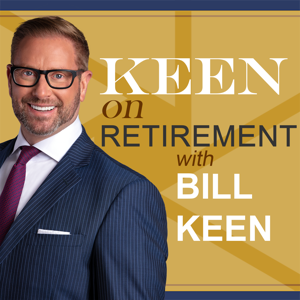
 By Bill Keen, Matt Wilson, Steve Sanduski

4.6
6767 ratings
Your phone buzzes with a text message that appears to be from your bank:
"Did you authorize a purchase on your debit card at a local apparel shop today? Reply YES if you recognize this. Reply NO if you don't, and a fraud specialist will contact you."
You reply, "No." A minute later, your phone rings. The man on the other end is calm, professional, and sympathetic.
"I'm from the fraud department. I'm going to help you stop this unauthorized transaction. I sent a six-digit code to your phone. Just read it back to me."
You do. He thanks you. The call ends.
Minutes later, three transfers leave your bank account. You call your bank and manage to cancel one. But two transfers totaling thousands of dollars are gone permanently. And because you voluntarily provided the man on the phone with that six-digit code, the bank is likely not liable for your loss.
This is a hypothetical example of what the FBI calls "takeover fraud." But the reality is that scams like this are targeting more and more seniors every single day.
On today's show, we review the latest data from the FBI's 2025 Internet Crime Report and some best practices that can help keep your money and personal info safe.

39,153 Listeners

1,989 Listeners

810 Listeners
1,333 Listeners

455 Listeners
536 Listeners
750 Listeners

548 Listeners

700 Listeners

3,056 Listeners

3,161 Listeners

582 Listeners

930 Listeners

833 Listeners

1,069 Listeners