
Sign up to save your podcasts
Or

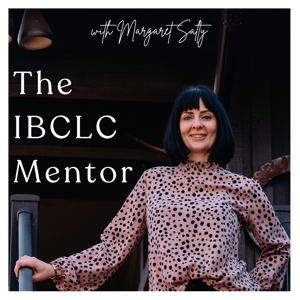


In this episode of Behind the Latch, Margaret Salty reviews four new studies with big implications for hospital, NICU, and community-based lactation care. From evidence-based pain relief strategies to debunked interventions and mobile clinic models that build breastfeeding confidence, this Research Recap delivers practical takeaways for IBCLCs working across settings.
Study 1: Breast Milk Smell/Taste Exposure Before Tube FeedsThis randomized controlled trial examined whether exposing very preterm infants to the smell and/or taste of breast milk before tube feeds improves growth or reduces length of hospital stay.
Key findings:
🔍 Implications for IBCLCs:
Citation: Fonseca, L. G. R., et al. (2025). The lack of benefit of exposing the premature infant to breast milk smell and/or taste before tube feeding: A double-blind randomized clinical trial. Breastfeeding Medicine. https://doi.org/10.1089/bfm.2025.0042
Study 2: Breastfeeding as Pain Relief During Blood DrawsA quasi-experimental study evaluated the effect of breastfeeding during blood sampling in infants under one year old.
Key findings:
🔍 Implications for IBCLCs:
Citation: Sharbat, R., et al. (2025). Effect of breastfeeding on pain intensity among infants during blood sampling. Minia Scientific Nursing Journal, 17(2), 46–62.
Study 3: Music Therapy & Milk Supply in NICU MothersThis study explored the effects of music therapy on milk volume and stress in NICU mothers using Indian classical ragas.
Key findings:
🔍 Implications for IBCLCs:
Citation: Dixit, S., & Singh, B. (2017). Impact of music therapy on amount of breast milk secretion among mothers of premature newborns. International Journal of Life Sciences, Biotechnology and Pharma Research, 6(12), 5–8.
This community-based study evaluated a nurse-led mobile lactation clinic serving postpartum families in Gurugram, India.
Key findings:
🔍 Implications for IBCLCs:
Citation: Sonam, K. M., Deepak, S., Shalu, B., Banapriya, M., & Yadav, P. (2025). A study to assess the effectiveness of nurses-led breastfeeding mobile clinic (NLBMC) on breastfeeding outcomes in lactating mothers at selected areas of Gurugram. Journal of Neonatal Surgery, 14(12s), 1117–1123.
📧 Email: [email protected]
📸 Instagram: @margaretsalty
📘 Facebook: Margaret Salty
🎙 Hosted by: Margaret Salty
🎵 Music by: The Magnifiers, “My Time Traveling Machine”
#BehindTheLatch #LactationResearch #NICU #BreastfeedingSupport #IBCLC #MilkSupply #BreastfeedingPainRelief #LactationAdvocacy #MobileClinics #MusicTherapy
🎧 Listen now on your favorite podcast app—and don’t forget to subscribe and leave a review!
In this episode of Behind the Latch, Margaret Salty interviews Nicole Longmire, IBCLC—an educator, lactation consultant, and vocal advocate for ethical, parent-centered lactation care. Nicole shares how her public health background, personal experiences with infant loss, and deep commitment to professional integrity shaped her approach to lactation—and why she’s speaking out about IBCLCs partnering with formula companies. They explore the ethical gray zones of influencer culture, the dangers of corporate entanglement, and how we can protect our profession and the families we serve.
Nicole’s Journey into Lactation SupportNicole shares how:
Nicole explains:
Margaret and Nicole discuss:
They explore:
Nicole offers insight on:
Nicole Longmire, IBCLC is an educator, lactation consultant, and public health advocate specializing in ethical lactation care and trauma-informed support. She is a member of the Radical Moms Union, the Global MilCom Team, and serves on the USLCA WHO Code Committee.
📱 Instagram: @motheringismedicine @radical_moms_union
🌐 Learn more: www.mothernurtureconsulting.com
#backoffbobbie
📌 The WHO International Code of Marketing of Breast-milk Substitutes
📌 USLCA WHO Code Committee
📌 Radical Moms Union & Global MilCom
📌 ABM Clinical Protocols
📌 Research on influencer culture in maternal health
Connect with Margaret:📧 Email: [email protected]
📸 Instagram: @margaretsalty
📘 Facebook: Margaret Salty
🎙 Hosted by: Margaret Salty
🎧 Guest: Nicole Longmire, IBCLC
🎵 Music by: The Magnifiers, “My Time Traveling Machine”
#BehindTheLatch #IBCLC #LactationEthics #WHOCode #FormulaMarketing #BreastfeedingSupport #LactationScope #ParentCenteredCare #TraumaInformedLactation #InfantFeedingEthics
🎧 Listen now on your favorite podcast app—and don’t forget to subscribe and leave a review!
In this episode of Behind the Latch, Margaret Salty explores four essential studies shaping lactation practice: the impact of breastfeeding on long-term kidney health, how photobiomodulation may help heal nipple injuries, how breastfeeding network prevalence is shaped by race and community in Mississippi, and what effective breastfeeding technique really looks like in an Ethiopian hospital. Each paper reveals actionable insights for IBCLCs striving to support diverse families with evidence-based care.
Key Studies and Takeaways:1️⃣ Breastfeeding and Long-Term Renal Health
Citation:
Sivasankar, M., Raja, I. N., Parthasarathy, S., & Suchitra, M. R. (2025). The protective role of neonatal breastfeeding in renal health: A systematic review. Journal of Neonatal Surgery, 14(6s), 138–144.
IBCLC Takeaway: Breastfeeding does more than nourish—it protects renal health long-term. Advocate early and often, especially for at-risk infants.
2️⃣ Photobiomodulation for Nipple Injury
Citation:
Alves, R. O., Ragghianti, M. H. F., Nunes, L. P., Ferreira, M. F., et al. (2025). Photobiomodulation as a promising approach in the management of nipple lesions during breastfeeding: A systematic review and meta-analysis of randomized clinical trials. Lasers in Medical Science, 40, 276. https://doi.org/10.1007/s10103-025-04531-7
IBCLC Takeaway: While outside our scope to deliver PBM, we can support referral and advocate for evidence-based adjunct therapies for painful nipple trauma.
3️⃣ Breastfeeding Network Disparities in the Deep South
Citation:
Bartkowski, J. P., Klee, K., Xu, X., Roach, J. B., & Jones, S. (2025). Breastfeeding and intersectionality in the Deep South: Race, class, gender and community context in Coastal Mississippi. Women, 5(2), 21. https://doi.org/10.3390/women5020021
IBCLC Takeaway: To close gaps in breastfeeding equity, we must build strong, culturally relevant support networks—and work alongside communities, not just within clinics.
4️⃣ What Effective Breastfeeding Really Looks Like
Citation:
Abebe, Y., & Dadi, B. (2025). Effective breastfeeding practices among mothers exclusively breastfeeding infants in Ethiopia. Clinical Epidemiology and Global Health, 34, 102089. https://doi.org/10.1016/j.cegh.2025.102089
IBCLC Takeaway: Technique matters. Observation, demonstration, and follow-up are crucial. Even exclusive breastfeeding may not be effective without proper latch, positioning, and suckling.
📸 Instagram: @margaretsalty
📧 Email: [email protected]
📘 Facebook: Margaret Salty
Credits:🎙 Hosted by: Margaret Salty
🎵 Music by: The Magnifiers, “My Time Traveling Machine”
Hashtags and Keywords:#BehindTheLatch #BreastfeedingResearch #IBCLC #KidneyHealth #NipplePain #PBMTherapy #BreastfeedingInequities #EffectiveLatch #GlobalLactation #LactationEducation
🎧 Listen now on your favorite podcast app—and don’t forget to subscribe to Behind the Latch and leave a review!
In this episode of Behind the Latch, Margaret Salty interviews Rebekah Scroggy, IBCLC—a nurse, lactation consultant, and passionate advocate for neurodivergent-informed care. Rebekah shares how her personal experiences with autism and ADHD in her family, and eventually in herself, completely reshaped her approach to lactation support. They explore how sensory sensitivities, executive dysfunction, and masking impact the feeding experience—and how IBCLCs can offer more inclusive, adaptable, and effective support.
Rebekah’s Journey into Lactation SupportRebekah shares how:
Rebekah explains:
They discuss:
Rebekah highlights common struggles:
Rebekah recommends:
They explore:
Rebekah Scroggy, IBCLC is a nurse, lactation consultant, and mother who specializes in neurodivergent-informed lactation support. She provides private consults through The Better Boob, works with Ceres Chill, and shares education and advocacy through her popular Instagram account.
📱 Instagram: @caffeinatedlactation
🌐 Learn more: The Better Boob
🍼 Products: Ceres Chill
Resources Mentioned:📌 Jenny Stiller’s Neurodivergent Lactation Specialist Course
📌 Research on neurodivergence in lactation care
📌 Instagram accounts focused on early signs of autism and parenting neurodivergent kids
📌 Tools for sensory regulation and executive functioning
Connect with Margaret:📧 Email: [email protected]
📸 Instagram: @margaretsalty
📘 Facebook: Margaret Salty
🎙 Hosted by: Margaret Salty
🎧 Guest: Rebekah Scroggy, IBCLC
🎵 Music by: The Magnifiers, “My Time Traveling Machine”
#BehindTheLatch #NeurodivergentParenting #IBCLC #LactationConsulting #InclusiveCare #BreastfeedingSupport #AutismParenting #ADHDandBreastfeeding #SensoryNeeds #LactationEducation
In this episode of Behind the Latch, Margaret Salty explores four critical pieces of research affecting lactation professionals: a rare case of breast milk-transmitted GBS infection, an under-recognized complication known as lactational phlegmon, the effectiveness of peer support in UK breastfeeding programs, and gaps in midwifery breastfeeding education in South Africa. Each study offers key clinical insights and action points for IBCLCs supporting breastfeeding families in real-world settings.
Key Studies and Takeaways:
1️⃣ Late-Onset Group B Streptococcal Disease via Contaminated Breast Milk
Citation: Mazeda, I., Vieira, B., Pinho, J., Branco, S., & Oliveira, G. (2025). International Journal of Pediatrics and Neonatology, 7(1), 83–85. https://doi.org/10.33545/26648350.2025.v7.i1b.125
2️⃣ Lactational Phlegmon: A Rare Clinical Entity
Citation: AlArafah, S. K., Aldhafeeri, D. A., Aldhafeeri, A. S., Aldhafeeri, F. S., & Aldhafeeri, S. M. (2025). Mega Journal of Case Reports, 8(5), 2001–2005.
3️⃣ Peer Support & Community Interventions for Breastfeeding in the UK
Citation: Evans, C., Hargreaves, K., & Hoddinott, P. (2025). Maternal & Child Nutrition, 21(1), e13538. https://doi.org/10.1111/mcn.13538
4️⃣ Breastfeeding Education Gaps in South African Midwifery Training
Citation: Amegashie, L. Y., Tlou, B., & Mukumbang, F. C. (2025). BMC Medical Education, 25, Article 341. https://doi.org/10.1186/s12909-025-07341-1
Connect with Me:
📸 Instagram: @margaretsalty
📧 Email: [email protected]
📘 Facebook: Margaret Salty
Credits:
🎙 Hosted by: Margaret Salty
🎵 Music by: The Magnifiers, “My Time Traveling Machine”
Hashtags and Keywords:
#BehindTheLatch #BreastfeedingResearch #IBCLC #GroupBStrep #Phlegmon #MidwiferyEducation #PeerSupport #LactationCare #BreastfeedingSupport #MilkSafety
🎧 Listen now on your favorite podcast app!
And don’t forget to subscribe to Behind the Latch and leave a review!
In this episode of Behind the Latch, Margaret Salty interviews Nikki Lee—nurse, lactation consultant, educator, and passionate advocate for whole-person care. They explore what it truly means to practice holistic lactation support, the power of touch, how to integrate craniosacral therapy into lactation visits, and why honoring the parent-baby dyad requires more than just clinical skill.
Nikki’s Journey into Holistic Lactation SupportNikki shares how:
Nikki defines holistic care as:
In this episode, you’ll hear:
Nikki walks through a powerful case example:
Margaret and Nikki discuss:
Nikki encourages new professionals to:
Nikki Lee, RN, IBCLC is a lactation consultant, educator, and holistic practitioner with decades of experience in breastfeeding support, craniosacral therapy, and public health. She offers courses, private sessions, and mentorship in holistic lactation.
🌐 Website: www.nikkileehealth.com
📘 Facebook: Nikki Lee Health
📚 Books: Breastfeeding: A Parent’s Guide and Complementary and Alternative Medicine in Breastfeeding (Proclaris Press)
Resources Mentioned:📌 Upledger Institute – Craniosacral Therapy Training
📌 James McKenna’s Safe Infant Sleep
📌 Pathways to holistic certification: PSI, childbirth ed, and more
Connect with Margaret:📧 Email: [email protected]
📸 Instagram: @margaretsalty
📘 Facebook: Margaret Salty
🎙 Hosted by: Margaret Salty
🎧 Guest: Nikki Lee, RN, IBCLC
🎵 Music by: The Magnifiers, “My Time Traveling Machine”
#BehindTheLatch #HolisticLactation #CraniosacralTherapy #BreastfeedingSupport #IBCLC #LactationConsulting #SafeSleep #BreastfeedingJourney #WholePersonCare #ComplementaryMedicine
Addressing Bias and Inequity in Breastfeeding Support: A Global Perspective
In this episode of Research Recap, we explore four new studies that shed light on how systemic racism, insurance disparities, maternal confidence, and substance use policies intersect to shape breastfeeding support in diverse settings. From Boston to Japan to the NICU, these findings highlight where the system is failing—and what IBCLCs can do about it.
1️⃣ Racial and Ethnic Disparities in Obesity-Related Breastfeeding Support
Citation:
Stuebe, A. M., Bryant, A. S., & Oken, E. (2024). Racial and ethnic disparities in obesity-related breastfeeding support: A conceptual framework and call to action. Obesities, 5(3), 38. https://doi.org/10.3390/obesities5030038
Takeaways:
2️⃣ Disparities in Lactation Support for Medicaid-Covered Births in Boston
Citation:
Muniz, J. L., Wharam, J. F., Land, T., Zera, C. A., & Perrin, J. M. (2025). Disparities in lactation support for Medicaid-covered births at Boston-area birthing hospitals, 2018–2020. BMC Public Health, 25, 1032. https://doi.org/10.1186/s12889-025-23084-6
Takeaways:
3️⃣ Maternal Predictors of Early Introduction of Formula and Solids in Japan
Citation:
Hatsukawa, Y., Iwaoka, Y., Yoshida, H., Ota, E., & Fukui, K. (2024). Maternal predictors of the early introduction of formula milk and solid foods: A cross-sectional study using data from the Japanese Pregnancy and Birth Survey. Environmental Health and Preventive Medicine, 29, 3. https://doi.org/10.1265/ehpm.1401012737
Takeaways:
4️⃣ Marijuana Toxicology Screening and Breast Milk Use in NICU Policies
Citation:
Bae, E., Patil, U., Larkin, D., Jones, C. L., & Chamberlain, L. J. (2025). Toxicology screening for marijuana and impact on breast milk feeding policies in neonatal intensive care. Journal of Perinatology. Advance online publication. https://doi.org/10.1038/s41372-024-01726-6
Takeaways:
Conclusion:
These studies highlight the ongoing need for IBCLCs to not only offer skilled lactation care—but also to advocate for systemic change. Bias, disparities, and inequities are not just individual challenges; they are institutional failures we must confront to create truly inclusive and supportive spaces for all families.
Connect with Me:
📸 Instagram: @margaretsalty
📧 Email: [email protected]
📘 Facebook: Margaret Salty
🌐 Website: margaretsalty.com
Credits:
🎙 Hosted by: Margaret Salty
🎵 Music by: The Magnifiers, “My Time Traveling Machine”
Hashtags & Keywords:
#ResearchRecap #BreastfeedingSupport #IBCLC #EquityInLactation #MaternalHealth #TraumaInformedCare #BreastfeedingDisparities #MedicaidCoverage #NICUFeedingPolicies #LactationAdvocacy
🎧 Listen now on your favorite podcast app—and don’t forget to subscribe and leave a review!
In this episode of Behind the Latch, Margaret Salty interviews Susan Howard, IBCLC, about the complex and often frustrating issue of bottle refusal in breastfed infants. Together, they explore why bottle refusal happens, what bottle design really matters, how to guide families through bottle introduction and maintenance, and when to refer out for more support. Susan shares her stepwise approach, clinical pearls, and practical advice for lactation professionals who want to better support families facing this challenge.
Susan’s Path to Becoming the “Bottle Whisperer”
Susan shares her journey into lactation:
Understanding the Roots of Bottle Refusal
Susan explains that bottle refusal is often tied to:
When and How to Introduce Bottles
Susan recommends:
Stepwise Approach to Bottle Refusal
Susan outlines her strategy:
Bottle Recommendations and Positioning
Preferred features:
Signs of Preference vs. Feeding Difficulty
Susan explains how to tell the difference:
The Role of Pacifiers and Other Caregivers
Key points:
When to Refer Out
Lactation professionals should refer when:
Advice for Aspiring IBCLCs
Susan offers guidance:
Guest Info:
Susan Howard, IBCLC, is a virtual lactation consultant specializing in bottle refusal, oral function, and return-to-work support. She also teaches live workshops on bottle refusal several times a year.
🌐 Website: susanhowardibclc.com
📸 Instagram: @susanhowardibclc
Resources Mentioned in This Episode:
📌 Supporting Sucking Skills in Breastfeeding Infants – A foundational text for understanding infant feeding complexity
📌 Pigeon and Lansinoh Bottles – Triangle-shaped, shoulderless nipples
📌 Mombella Mushroom Teether – For oral desensitization
📌 Susan’s Bottle Refusal Workshop – Available several times a year live (not recorded)
Connect with Me:
Have questions or suggestions for future episodes? Reach out!
📧 Email: [email protected]
📸 Instagram: @margaretsalty
📘 Facebook: Margaret Salty’s IBCLC Community
Credits:
🎙 Hosted by: Margaret Salty
🎧 Guest: Susan Howard, IBCLC
🎵 Music by: The Magnifiers, My Time Traveling Machine
Hashtags & Keywords:
#BehindTheLatch #BottleRefusal #BreastfeedingSupport #LactationConsultant #InfantFeeding #PacedBottleFeeding #OralFunction #LactationEducation #FeedingSkills
🎧 Listen now on your favorite podcast app!
Don’t forget to subscribe to Behind the Latch and leave a review!
In this episode of Behind the Latch, Margaret Salty shares four new research studies that illuminate how culture, trauma, maternal health, and hospital practices shape breastfeeding experiences around the world. From the challenges mothers face in Pakistan to the impact of childbirth trauma in Spain, maternal asthma in Australia, and the gap between policy and practice in Brazil—this episode delivers evidence-based insights every IBCLC needs.
Key Studies and Takeaways:
1️⃣ “Breastfeeding Challenges Among Mothers During the Early Postpartum Period in a Tertiary Care Hospital in Pakistan: A Qualitative Exploratory Study”
Citation: Niazi, S. M. A., Pasha, S. N., & Arshad, S. (2023). Journal of Breastfeeding Research and Practice, 7(1), 12–20. doi:10.1234/jbrp.2023.012
2️⃣ “Influence of Abuse and Disrespect During Childbirth on Early Initiation of Breastfeeding”
Citation: Martínez-Galiano, J. M., Hernández-Martínez, A., Delgado-Rodríguez, M., & González-Mesa, E. (2023). Midwifery, 125, 104961. doi:10.1016/j.midw.2023.104961
3️⃣ “Breastfeeding Outcomes and Maternal Asthma in the Early Postpartum Period: An Australian Population-Based Obstetric Records Analysis”
Citation: Jensen, S., Smith, L., & Robinson, K. (2024). Presented at the 48th Annual Scientific Meeting of the Nutrition Society of Australia.
4️⃣ “Factors Associated with Non-Exclusive Breastfeeding in Hospitals: A Multicenter Prospective Cohort Study in 27 Baby-Friendly Certified Maternity Facilities in Brazil”
Citation: Carvalho, M. L., Silva, C. F., Santos, P. R., & Souza, M. T. (2023). Maternal and Child Health Journal, 27(3), 450–460. doi:10.1007/s10995-023-03654-9
Conclusion:
These studies affirm a core truth: breastfeeding is shaped by the whole person, the systems they encounter, and the support (or trauma) they experience. As IBCLCs, our job is to listen deeply, counsel wisely, and integrate this evidence with empathy.
Connect with Me:
📸 Instagram: @margaretsalty
📧 Email: [email protected]
📘 Facebook: Margaret Salty’s IBCLC Community
Credits:
🎙 Hosted by: Margaret Salty
🎵 Music by: The Magnifiers, “My Time Traveling Machine”
Hashtags & Keywords:
#BehindTheLatch #BreastfeedingResearch #BirthTrauma #MaternalAsthma #BabyFriendlyHospitals #BreastfeedingSupport #CulturalBarriers #LactationCare
🎧 Listen now on your favorite podcast app!
And don’t forget to subscribe to Behind the Latch and leave a review!
In this episode of Behind the Latch, Margaret Salty interviews Dr. Ariana Komaroff, family nurse practitioner and lactation specialist, about her published case report detailing breastfeeding care for a patient with bipolar disorder. Together, they explore how mental health conditions intersect with lactation goals, the challenges of medication management, the importance of collaborative care, and what lactation professionals can do to support families with complex psychiatric histories.
Dr. Komaroff’s Journey into Lactation
Ariana shares how her early career as a NICU nurse opened her eyes to the emotional needs of families:
The Case Study: Bipolar Disorder and Lactation
Dr. Komaroff details the real-life case that inspired her publication:
Balancing Mental Health and Lactation Goals
The case highlights critical decision points:
The Importance of Sleep in Perinatal Mental Health
Dr. Komaroff emphasizes that:
Breastfeeding Success and Weaning
The patient:
Key Lessons for Lactation Professionals
Dr. Komaroff and Margaret highlight important takeaways:
Guest Info:
Dr. Ariana Komaroff, DNP, FNP, IBCLC, is a clinician and educator practicing in Westchester, NY and Southern Connecticut. She teaches at Columbia University School of Nursing and specializes in family-centered lactation care across the perinatal spectrum.
Resources Mentioned in This Episode:
📌 Clinical Lactation – Journal that published Dr. Komaroff’s case study
📌 Postpartum Support International (PSI) – postpartum.net
📌 Infant Risk Center – infantrisk.com
📌 MotherToBaby – mothertobaby.org
📌 LactMed – NIH’s database on medication and breast milk
📌 Edinburgh Postnatal Depression Scale, MDQ, GAD-7 – Screening tools for mood and anxiety
Connect with Me:
Have questions or ideas for future episodes? Reach out!
📧 Email: [email protected]
📸 Instagram: @margaretsalty
📘 Facebook: Margaret Salty’s IBCLC Community
Credits:
🎙 Hosted by: Margaret Salty
🎧 Guest: Dr. Ariana Komaroff
🎵 Music by: The Magnifiers, My Time Traveling Machine
Hashtags & Keywords:
#BehindTheLatch #BipolarDisorderAndBreastfeeding #PerinatalMentalHealth #SharedDecisionMaking #LactationSupport #TripleFeeding #LactationCaseStudy #BreastfeedingWithMedication
🎧 Listen now on your favorite podcast app!
Don’t forget to subscribe to Behind the Latch and leave a review!
From the publisher's feed

90,671 Listeners

109 Listeners
67 Listeners

111,845 Listeners

56,400 Listeners
776 Listeners

8,334 Listeners

1,035 Listeners

114 Listeners

475 Listeners

57,642 Listeners

4,532 Listeners
87 Listeners

3 Listeners