
Sign up to save your podcasts
Or

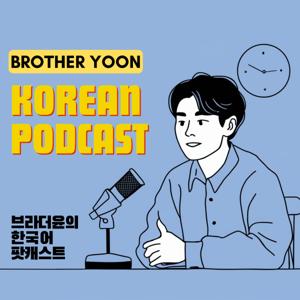


In this episode, I talked about How Did Jajangmyeon Become Korea's Representative Dish!
#Transcript & Vocabulary
https://www.brotheryoon.com/podcast/66
#YouTube
https://www.youtube.com/@BrotherYoonKorean
#Send a Letter
https://www.brotheryoon.com/contact
#Timestamps
(00:00) - 인트로 (Intro)
(02:13) - 주제 소개 (Introduction to the Topic)
(03:33) - 1. '한국 화교'의 시작 (The Beginning of 'Overseas Chinese in Korea')
(18:28) - 2. 중화 요릿집의 등장 (The Appearance of Chinese Restaurants)
(29:08) - 3. 중국집과 짜장면의 대중화 (The Popularization of Chinese Restaurants and Jjajangmyeon)
(34:55) - 4. 짜장면의 의미 (The Meaning of Jjajangmyeon)
(39:02) - 엔딩 (Ending)
In this episode, I talked about The Battle of Baekchon River!
#Transcript & Vocabulary
https://www.brotheryoon.com/podcast/65
#YouTube
https://www.youtube.com/@BrotherYoonKorean
#Send a Letter
https://www.brotheryoon.com/contact
#Timestamps
(00:00) - 인트로 (Intro)
(02:11) - 주제 소개 (Introduction to the Topic)
(04:25) - 1. 7세기, 격동의 동북아시아 정세 (Turbulent Northeast Asia in the 7th Century)
(09:26) - 2. 7세기 초, 중반 동북아시아 국가들의 모습 (Northeast Asian Countries in the Early and Mid-7th Century)
(09:43) - 2.1. 고구려 (Goguryeo)
(13:50) - 2.2. 백제 (Baekje)
(18:02) - 2.3. 신라 (Silla)
(22:53) - 2.4. 왜 (Wa)
(31:39) - 3. 백촌강 전투 직전 상황 (Situation Just Before the Battle of Baekchon River)
(44:36) - 4. 백촌강 전투의 진행과 결과 (The Course and Outcome of the Battle of Baekchon River)
(53:17) - 엔딩 (Ending)
In this episode, I talked about The History of Coffee in Korea
#Transcript & Vocabulary
https://www.brotheryoon.com/podcast/64
#YouTube
https://www.youtube.com/@BrotherYoonKorean
#Send a Letter
https://www.brotheryoon.com/contact
#Timestamps
(00:00) - 인트로 (Intro)
(02:30) - 주제 소개 (Introduction to the Topic)
(04:13) - 한국 커피 역사의 시작 (The Beginning of Korean Coffee History)
(10:18) - 커피를 알린 충격적 사건: 고종 황제 독살 미수 사건 (The Shocking Event that Introduced Coffee: The Attempted Assassination of Emperor Gojong)
(14:37) - 끽다점, 카페의 등장 (The Emergence of Tea Houses and Cafes)
(19:44) - 다방의 등장 (The Rise of Dabang - Traditional Korean Coffee Houses)
(28:13) - 프랜차이즈 시대의 시작 (The Beginning of the Franchise Era)
(31:59) - 요즘 카페 문화 (Modern Cafe Culture)
(36:42) - 엔딩 (Ending)
In this episode, I talked about Korean Views on Housing.
#Transcript & Vocabulary
https://www.brotheryoon.com/podcast/63
#YouTube
https://www.youtube.com/@BrotherYoonKorean
#Send a Letter
https://www.brotheryoon.com/contact
#Timestamps
(00:00) - 인트로 (Intro)
(02:25) - 주제 소개 (Introduction to the Topic)
(04:01) - 한국의 독특한 주거 시스템: 전세 (Korea’s Unique Housing System: Jeonse)
(13:20) - 한국인이 부동산에 집착하는 이유: 투자 시장이 된 부동산 시장 (Why Koreans Are Obsessed with Real Estate: The Housing Market as an Investment Arena)
(20:51) - 부동산 열풍이 불러온 사회 문제 (Social Issues Caused by the Real Estate Craze)
(26:52) - 엔딩 (Ending)
In this episode, I talked about Korean health culture, including traditional medicine and modern wellness habits.
#Transcript & Vocabulary
https://www.brotheryoon.com/podcast/62
#YouTube
https://www.youtube.com/@BrotherYoonKorean
#Send a Letter
https://www.brotheryoon.com/contact
#Timestamps
(00:00) - 인트로 (Intro)
(02:16) - 주제 소개 (Introduction to the Topic)
(03:46) - 건강을 중요하게 여기는 한국인의 일상 (Health-Conscious Daily Life of Koreans)
(15:32) - 사상체질과 한의학: 현대 의학과 공존하는 전통 의학 (Sasang Typology and Traditional Korean Medicine: Coexisting with Modern Medicine)
(27:32) - 건강 관련 통계와 사회적 이슈 (Health Statistics and Social Issues)
(33:04) - MZ 세대의 건강 관리: 디지털과 즐거움으로 실천하는 새로운 건강관 (Health Management of the MZ Generation: A New Approach with Digital Tools and Enjoyment)
(41:26) - 엔딩 (Ending)
In this episode, I talked about Korean book culture, from emotional scenes in dramas to how people read, share, and publish books today.
#Transcript & Vocabulary
https://www.brotheryoon.com/podcast/61
#YouTube
https://www.youtube.com/@BrotherYoonKorean
#Send a Letter
https://www.brotheryoon.com/contact
#Timestamps
(00:00) - 인트로 (Intro)
(03:33) - 주제 소개 (Introduction to the Topic)
(05:13) - 한국 드라마와 영화 속 '책'의 의미 (The Meaning of 'Books' in Korean Dramas and Films)
(10:48) - 한국인의 독서 현황과 변화하는 독서 방식 (Current Reading Trends and Changing Reading Habits in Korea)
(23:05) - 변화하는 한국인의 독서 문화 (The Changing Reading Culture in Korea)
(27:42) - 한국 출판 시장의 구조와 변화 (Structure and Transformation of the Korean Publishing Market)
(34:09) - 브라더윤의 한국 소설 추천 (Brother Yoon’s Korean Novel Recommendations)
(39:16) - 엔딩 (Ending)
In this episode, I talked about Korean traditional art and the meanings behind its colors and patterns.
#Transcript & Vocabulary
https://www.brotheryoon.com/podcast/60
#YouTube
https://www.youtube.com/@BrotherYoonKorean
#Send a Letter
https://www.brotheryoon.com/contact
#Timestamps
(00:00) - 인트로 (Intro)
(01:48) - 주제 소개 (Introduction to the Topic)
(03:33) - 1.1. '책거리 그림'의 의미 (The Meaning of Chaekgeori Paintings)
(07:33) - 1.2. 책거리 그림의 특징 (Characteristics of Chaekgeori Paintings)
(13:01) - 1.3. 책거리 그림의 등장 배경 (Historical Background of Chaekgeori Paintings)
(18:15) - 2. 전통 문양의 상징 (Symbolism of Traditional Patterns)
(30:06) - 3. 전통 예술에 나타나는 색의 상징 (Color Symbolism in Traditional Art)
(38:22) - 엔딩 (Ending)
In this episode, I talked about Korean dialects and why they vary by region!
#Transcript & Vocabulary
https://www.brotheryoon.com/podcast/59
#YouTube
https://www.youtube.com/@BrotherYoonKorean
#Send a Letter
https://www.brotheryoon.com/contact
#Timestamps
(00:00) - 인트로 (Intro)
(02:34) - 주제 소개 (Introduction to the Topic)
(03:55) - 1. 방언과 표준어 (Dialects and Standard Language)
(16:33) - 2. 한국의 지역 방언 형성 요인 (Factors Behind the Formation of Regional Dialects in Korea)
(20:32) - 3. 한국어 지역 방언의 종류와 특징 (Types and Characteristics of Korean Regional Dialects)
(31:05) - 4. 대중문화 콘텐츠에서 지역 방언의 활용과 사회적 이미지 (Use of Regional Dialects in Pop Culture and Their Social Image)
(38:53) - 엔딩 (Ending)
In this episode, I talked about the history of Chinese characters in Korea!
#Transcript & Vocabulary
https://www.brotheryoon.com/podcast/58
#YouTube
https://www.youtube.com/@BrotherYoonKorean
#Send a Letter
https://www.brotheryoon.com/contact
#Timestamps
(00:00) - 인트로 (Intro)
(01:30) - 주제 소개 (Introduction to the Topic)
(03:45) - 1. 한자의 형성과 원리 (Formation and Principles of Hanja)
(09:46) - 2.1. 한국에서 한자가 처음 등장한 시기 - 삼국 시대 이전 (When Hanja First Appeared in Korea - Before the Three Kingdoms Period)
(11:45) - 2.2. 한국에서 한자가 활발히 사용되기 시작한 시기 - 삼국 시대 (When Hanja Became Widely Used in Korea - Three Kingdoms Period)
(18:40) - 2.3. 한자의 중요성이 더욱 커진 시기 - 고려 시대 (The Time When the Importance of Hanja Increased - Goryeo Period)
(22:38) - 2.4. 한글과 한자가 공존한 시대 - 조선 시대 (The Era When Hangeul and Hanja Coexisted - Joseon Period)
(30:00) - 2.5. 국한문혼용체 - 근대 시기 (Gukhunmun Mixed Writing System - Modern Period)
(33:28) - 2.6. 한글 전용 시대 - 정부의 강력한 의지 (Hangeul-Only Era - The Government’s Strong Will)
(38:19) - 3. 한자는 완전히 사라질까? - 한자를 둘러싼 논란 (Will Hanja Disappear Completely? - Controversy Surrounding Hanja)
(42:05) - 엔딩 (Ending)
In this episode, I talked about how Otaku culture has evolved in Korea!
#Transcript & Vocabulary
https://www.brotheryoon.com/podcast/57
#YouTube
https://www.youtube.com/@BrotherYoonKorean
#Send a Letter
https://www.brotheryoon.com/contact
#Timestamps
(00:00) - 인트로 (Intro)
(03:28) - 주제 소개 (Introduction to the Topic)
(05:11) - 1. 긱(Geek)과 오타쿠(Otaku): 비슷하지만 조금 다른 개념 (Geek and Otaku: Similar but Slightly Different Concepts)
(10:46) - 2. 오타쿠의 탄생과 변화 (The Birth and Evolution of Otaku)
(11:15) - 2.1. 오타쿠의 탄생 (The Birth of Otaku)
(12:23) - 2.2. 이미지의 변화 (Changes in Image)
(14:44) - 3. 한국어로의 도입과 의미 변화 (Adoption into Korean and Changes in Meaning)
(20:45) - 4. 한국에서 오타쿠 문화의 변화 흐름 (Trends in Otaku Culture in Korea)
(21:06) - 4.1. 초기 (1990년대 중반~2000년대 중반) (Early Period: Mid-1990s to Mid-2000s)
(24:36) - 4.2. 중기 (2000년대 후반~2010년대 중반) (Middle Period: Late 2000s to Mid-2010s)
(28:15) - 4.3 최근 (2010년대 후반~현재) (Recent Period: Late 2010s to Present)
(32:34) - 5. 나의 덕질 이야기 (My Fandom Story)
(36:37) - 엔딩 (Ending)
From the publisher's feed

556 Listeners

54 Listeners
19 Listeners

62 Listeners

23 Listeners
8 Listeners
228 Listeners

8 Listeners
10 Listeners

52 Listeners
47 Listeners
2 Listeners
4 Listeners