Pete Lane and Jeff Thompson bring us more podcasts with a Blindness perspective. Listeners sent in lists and we put together another cast of content providers that we feel you will enjoy and learn from their productions. Below is a list of the podcasts, their web link and the feed to subscribe to the podcasts using your pod-catcher of choice.
We hope you enjoy.
The blind Abilities Team
Maccessibility » Podcast Touching the Future:… http://maccessibility.net
Subscribe: feed://maccessibility.net/category/podcast/feed/1
Maccessibility is devoted to connecting, compiling, and providing easy access to the best resources for blind, visually impaired, and other disability groups using Apple products. It is maintained by a dedicated group of visually impaired volunteers, who are Apple enthusiasts themselves.
Cool Blind Tech: https://www.coolblindtech.com
Latest In Assistive Tech! News, Reviews and Interviews
Subscribe: feed://www.coolblindtech.com/feed/podcast?format=rss
Digital Accessibility Made Simple with Lyndon Dunbar: http://www.lyndondunbar.com
Digital Accessibility Made Simple with Lyndon Dunbar is a weekly podcast dedicated to digital accessibility. The goal is to bridge the gap between technology and digital accessibility so that persons with disabilities can engage in fulfilling work and lead a life of independence with confidence.
Subscribe: feed://www.lyndondunbar.com/feed/podcast
Assistive Technology Update with Wade Wingler: http://www.AssistiveTechnologyUpdate.com
Assistive Technology Update – A weekly dose of information that keeps you up to date on the latest developments in the field of technology designed to assist people with disabilities and special needs.
Subscribe: feed://feeds.feedburner.com/AssistiveTechnologyUpdate
Blind Bargains Audio: Featuring the BB Qast, Technology news, Interviews, and more: http://www.blindbargains.com/audio
The biggest names, the latest news, and leading insights from the field. Weekly Podcasts, interviews, technology demonstrations, and commentary from industry experts. Get more at blindbargains.com.
Subscribe: feed://www.blindbargains.com/rss/audionoads.xml
Mystic Access Podcast: Where the Magic is in Learning: http://www.mysticaccesspodcast.com
we record podcasts and write about products and services we find of interest. We specialize in providing the tools for people who are blind and visually impaired to learn how to maximize their access technology.
Subscribe: feed://www.mysticaccesspodcast.com/?feed=podcast
Freedom Scientific FSCast: http://www.freedomscientific.com/FSCast/
FSCast is Freedom Scientific's podcast. Hosted by Jonathan Mosen, FSCast features news, interviews, and product demonstrations relating to Freedom Scientific products. FSCast is a great way to make the most of the products you have as well as learning about what's new and what's around the corner.
Subscribe: feed://www.freedomscientific.com/FSCast/rss.xml
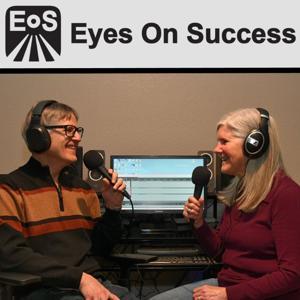
Eyes On Success with hosts Peter and Nancy Torpey: