
Sign up to save your podcasts
Or

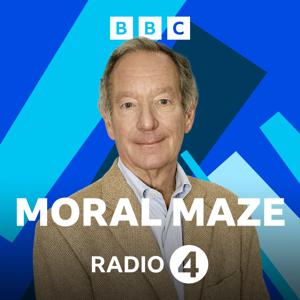

Breach of Trust
When the journalist Isabel Oakeshott broke her promise and passed Matt Hancock's personal WhatsApp messages to the Daily Telegraph, was she morally justified in doing so? She didn't just go back on her word to the former health secretary, but broke a legally-binding Non Disclosure Agreement. She claims that "no journalist worth their salt" would have acted otherwise and insists her obligations to Mr Hancock were outweighed by the public interest served by releasing the messages. But others see it differently. It was, they claim, a decision aimed at promoting her own view that government lockdown measures during the pandemic were excessive. Journalists often cite the "public interest" when it can seem that their actions are more about advancing a particular cause, or about selling their story because the "public are interested".
Aside from journalism, when is a breach of trust justified in any human relationship? For many professionals, there's an understanding that confidentiality does sometimes have to be broken. The police, social workers, doctors, teachers and even the clergy grapple with often difficult judgements about the morality of betraying trust. At times, promises are broken with the justification that it's for "the greater good". But is there really no such a thing as a truly solemn "never to be broken" promise? Or are all our confidences, our shared stories and discreet conversations rather loose arrangements, conditional on other loyalties and pressures? In our personal relationships, should we be less ready to make promises we can't keep, and also avoid asking others to do the same? What are the moral limits to our obligation to keep a secret, and how can we know when it's right to breach someone's trust?
Producer: Jonathan Hallewell
 View all episodes
 By BBC Radio 4

4.6
5151 ratings
Breach of Trust
When the journalist Isabel Oakeshott broke her promise and passed Matt Hancock's personal WhatsApp messages to the Daily Telegraph, was she morally justified in doing so? She didn't just go back on her word to the former health secretary, but broke a legally-binding Non Disclosure Agreement. She claims that "no journalist worth their salt" would have acted otherwise and insists her obligations to Mr Hancock were outweighed by the public interest served by releasing the messages. But others see it differently. It was, they claim, a decision aimed at promoting her own view that government lockdown measures during the pandemic were excessive. Journalists often cite the "public interest" when it can seem that their actions are more about advancing a particular cause, or about selling their story because the "public are interested".
Aside from journalism, when is a breach of trust justified in any human relationship? For many professionals, there's an understanding that confidentiality does sometimes have to be broken. The police, social workers, doctors, teachers and even the clergy grapple with often difficult judgements about the morality of betraying trust. At times, promises are broken with the justification that it's for "the greater good". But is there really no such a thing as a truly solemn "never to be broken" promise? Or are all our confidences, our shared stories and discreet conversations rather loose arrangements, conditional on other loyalties and pressures? In our personal relationships, should we be less ready to make promises we can't keep, and also avoid asking others to do the same? What are the moral limits to our obligation to keep a secret, and how can we know when it's right to breach someone's trust?
Producer: Jonathan Hallewell

7,913 Listeners

863 Listeners

1,067 Listeners

159 Listeners

5,576 Listeners

1,808 Listeners

1,729 Listeners

1,018 Listeners

2,113 Listeners

1,952 Listeners
32 Listeners
38 Listeners

428 Listeners

159 Listeners
43 Listeners
75 Listeners
108 Listeners
745 Listeners

3,245 Listeners

779 Listeners

1,010 Listeners

3,858 Listeners

1,314 Listeners
851 Listeners
48 Listeners