
Sign up to save your podcasts
Or

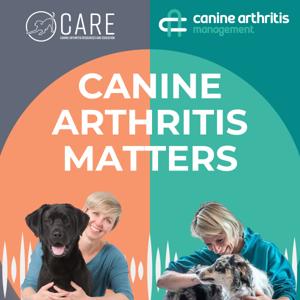


Dr. Amber Batson joins Hannah Capon to discuss the connection between pain and fear in dogs and how these two factors are deeply linked. They explore how chronic pain can lead to anxiety and behavioral changes, often misunderstood by owners as stubbornness or aggression. Amber highlights the importance of recognizing these signs early and implementing a multimodal approach that includes veterinary care, behavioral support, and pain management. The conversation also touches on how stress affects a dog’s ability to recover and how caregivers can use science-based techniques to create a calmer, more pain-free environment.
(published July 2023 - https://www.youtube.com/live/SPo0kHk4zQs)
Bio
Dr. Amber Batson graduated from the Royal Veterinary College in 1999 and quickly developed a passion for animal behavior. She has pursued extensive qualifications in canine, feline, and equine behavior and welfare and now focuses on educating professionals and pet owners. Amber’s mission is to bridge the gap between scientific research and practical applications, helping people better understand animal behavior and recognize early signs of pain. In addition to her education work, she continues to practice as a veterinary behaviorist and clinician.
Key Takeaways
Learn more about CAM: Facebook: https://www.facebook.com/CAMarthritis
Instagram: https://www.instagram.com/canine_arthritis
Youtube: https://www.youtube.com/c/CanineArthritisManagement
LinkedIn: https://www.linkedin.com/company/canine-arthritis-management-ltd
Have questions send them to: [email protected]
Stay tuned to learn how early detection can make a significant difference in managing OA in younger dogs.
Hannah Capon is joined by Dr. Sara Jackson to discuss contextual care in veterinary medicine and its role in managing chronic pain and osteoarthritis (OA) in dogs. They explore how communication, leadership, and emotional intelligence impact both caregivers and veterinary professionals. Sara shares her journey in the veterinary field, from overcoming self-doubt to becoming a leader in vet education, culture, and well-being. The conversation highlights barriers to effective care, such as team dynamics, caregiver fears, and the need for self-reflection. They also discuss how vets can better manage challenging conversations, support pet owners, and build a healthier workplace culture.
Brief Bio: Dr. Sara Jackson
Dr. Sara Jackson is a veterinary surgeon with a background in emergency and critical care (ECC), leadership training, and vet well-being advocacy. After earning a PhD in canine behavior and air-scenting, she pursued veterinary medicine at Cambridge and later became an advocate for compassionate leadership and contextualized care in veterinary practice. Sara works with VetLed, BVA Great Vet Workplaces, and VetLife while continuing to educate and mentor professionals on creating supportive, empathetic work environments.
Key Takeaways
Learn more about CAM: Facebook: https://www.facebook.com/CAMarthritis
Instagram: https://www.instagram.com/canine_arthritis
Youtube: https://www.youtube.com/c/CanineArthritisManagement
LinkedIn: https://www.linkedin.com/company/canine-arthritis-management-ltd
Have questions send them to: [email protected]
Stay tuned to learn how early detection can make a significant difference in managing OA in younger dogs.
Hannah Capon speaks with Professor Stuart Carmichael about the complexity of osteoarthritis (OA) in dogs and why it is more than just cartilage damage. They discuss how OA affects all structures around the joint and can lead to nervous system hypersensitivity, making pain perception more complicated. Stuart explains why x-ray changes don’t always reflect pain levels, why different joints require different treatment approaches, and how the disease progresses over time. (published February 2020 https://youtu.be/jmM-yqQ5sp4)
Brief Bio:
Professor Stuart Carmichael is an internationally recognized veterinary orthopaedic specialist with a strong focus on osteoarthritis treatment and research. He is the Professor of Veterinary Science at the University of Surrey and Co-founder of Aim-OASys Ltd, a company developing decision-making tools for OA treatment. Through Joint Adventures Ltd, he provides clinical consultancy and works to improve arthritis management strategies for veterinarians and pet owners.
Key Takeaways
Learn more about CAM: Facebook: https://www.facebook.com/CAMarthritis
Instagram: https://www.instagram.com/canine_arthritis
Youtube: https://www.youtube.com/c/CanineArthritisManagement
LinkedIn: https://www.linkedin.com/company/canine-arthritis-management-ltd
Have questions send them to: [email protected]
Stay tuned to learn how early detection can make a significant difference in managing OA in younger dogs.
Hannah Capon and Rebecca Sartain discuss the importance of collaboration between veterinarians and canine professionals in detecting and managing chronic pain in dogs. Rebecca, a canine hydrotherapist and rehabilitation specialist, shares her experiences running a doggy daycare and how she notices early signs of musculoskeletal issues in dogs before their owners do. They emphasize the need for better communication between vets, dog walkers, groomers, and daycare staff to identify potential health concerns earlier. The conversation also highlights how owners sometimes struggle to accept a diagnosis and why building trust is key in encouraging proactive care.
Biography:
Rebecca Sartain is a certified canine hydrotherapist and rehabilitation specialist with nearly a decade of experience. She has worked in inpatient rehabilitation, hydrotherapy training, and advanced physiotherapy. Currently, she is expanding her work to include a doggy daycare center focused on spotting early mobility issues in dogs. Rebecca is also a key member of Holly’s Army, part of Canine Arthritis Management, and actively involved in educating pet professionals about chronic pain in dogs.
Key Takeaways
Check out our upcoming Chronic Pain Symposium - https://www.camonlineshop.com/chronic-pain-symposium-2025/
Learn more about CAM: Facebook: https://www.facebook.com/CAMarthritis
Instagram: https://www.instagram.com/canine_arthritis
Youtube: https://www.youtube.com/c/CanineArthritisManagement
LinkedIn: https://www.linkedin.com/company/canine-arthritis-management-ltd
Have questions send them to: [email protected]
Stay tuned to learn how early detection can make a significant difference in managing OA in younger dogs.
Andrew Hale and Hannah Capon explore the crucial yet often overlooked role of communication in managing a dog’s health and well-being. They discuss how personal belief systems shape judgment, influence behavior, and affect how caregivers perceive their dog’s actions—especially when pain may be a factor. The conversation highlights how a caregiver’s past experiences, emotional attachment to therapy, and interactions with veterinary professionals impact treatment decisions. Andrew challenges listeners to rethink how they communicate, train, and care for their dogs, promoting a more dog-centered approach to caregiving.
Brief Bio: Andrew Hale
Andrew Hale is a Certified Animal Behaviourist specializing in Dog Centred Care, an approach that prioritizes a dog’s emotional well-being. With over 10 years of experience, he is a certified member and trustee of the Association of INTOdogs. Andrew is also the behavioral consultant for Pet Remedy and Animals In Distress. He actively promotes compassionate training and education through his Dog Centred Care Facebook group and the Beyond the Operant YouTube series, which challenges conventional beliefs about dog behavior and care.
Key Takeaways
Relevant Links
Dog Centred Care Facebook Group: https://www.facebook.com/groups/dogcc/
Beyond the Operant YouTube Series: https://www.youtube.com/watch?v=TA4tZ-siV3s&t=1573s
Association of INTOdogs: https://www.intodogs.org/
Learn more about CAM: Facebook: https://www.facebook.com/CAMarthritis
Instagram: https://www.instagram.com/canine_arthritis
Youtube: https://www.youtube.com/c/CanineArthritisManagement
LinkedIn: https://www.linkedin.com/company/canine-arthritis-management-ltd
Have questions send them to: [email protected]
Stay tuned to learn how early detection can make a significant difference in managing OA in younger dogs.
In this episode, Caroline Taylor joins Nicki from CAM to discuss the impact of obesity on osteoarthritis (OA) in dogs. They explore how excess weight affects mobility both mechanically—by adding stress to joints—and chemically—by increasing pro-inflammatory mediators that worsen joint disease. Caroline shares data from activity trackers, demonstrating how obesity significantly reduces mobility in dogs with arthritis. The discussion also touches on the challenges of weight loss, why it requires long-term lifestyle changes, and practical strategies to help owners manage their dog’s weight effectively.
Brief Bio
Dr. Caroline Taylor, known as The Slim Pet Vet, is a veterinary surgeon dedicated to canine weight management and helping dogs live longer, healthier lives. With over 55% of dogs overweight, she has made it her mission to tackle the silent obesity pandemic affecting pets. Caroline has developed an online step-by-step weight loss program incorporating the latest research on enrichment, diet, exercise, and behavioral change. She is not affiliated with any dog food company, ensuring unbiased, evidence-based guidance for dog owners.
Key Takeaways
Relevent links:
Find put more about weight - https://caninearthritis.co.uk/managing-arthritis/weight-management/
Learn more about CAM:
Facebook: https://www.facebook.com/CAMarthritis
Instagram: https://www.instagram.com/canine_arthritis
Youtube: https://www.youtube.com/c/CanineArthritisManagement
LinkedIn: https://www.linkedin.com/company/canine-arthritis-management-ltd
Have questions send them to: [email protected]
Stay tuned to learn how early detection can make a significant difference in managing OA in younger dogs.
In this episode, Hannah Capon is joined by Dr. James Hunt, an expert in pain management, to discuss neuropathic pain in dogs and its relevance to canine arthritis. They explore the complexities of neuropathic pain, its causes, how it differs from inflammatory pain, and the challenges of diagnosing it. Dr. Hunt shares insights into treatment options ranging from pharmaceuticals to advanced interventions like perineural steroid injections and Botox therapy. The conversation emphasizes the importance of individualized care and interdisciplinary collaboration in managing chronic pain in dogs.
Bio:
Dr. James Hunt is a veterinary surgeon with over 26 years of experience and a recognized specialist in animal welfare, ethics, and law. He holds a PhD in pain mechanisms in dogs and cats and has a deep passion for pain management. Dr. Hunt runs a clinic in Somerset, where he focuses on advanced pain interventions, including nerve injections and integrative therapies, to improve the quality of life for pets.
5 Key Takeaways
Relevant links:
Looking for expert advice on managing your pet’s pain? Visit Pet Pain Relief https://petpainrelief.co.uk to explore advanced pain management options and therapies tailored to your furry friend.
Need personalized guidance for managing your dog’s arthritis? Connect with specialists at Canine Arthritis Teleguidance https://caninearthritisteleguidance.co.uk for expert advice, tailored treatment plans, and compassionate support—all from the comfort of your home.
Learn more about CAM:
Facebook: https://www.facebook.com/CAMarthritis
Instagram: https://www.instagram.com/canine_arthritis
Youtube: https://www.youtube.com/c/CanineArthritisManagement
LinkedIn: https://www.linkedin.com/company/canine-arthritis-management-ltd
Have questions send them to: [email protected]
Stay tuned to learn how early detection can make a significant difference in managing OA in younger dogs.
In this episode, Dr. Gerry Polton and Hannah Capon discuss the critical importance of correctly diagnosing the cause of lameness in dogs, emphasizing that while arthritis is common, other serious conditions—like cancer—can also be responsible. They focus on cancers such as osteosarcoma, nerve sheath tumours, and histiocytic sarcomas, highlighting their symptoms, urgency in diagnosis, and treatment options. The conversation stresses the need for early detection, accurate staging, and collaborative care to provide the best outcomes for affected dogs. The episode concludes with practical tips for managing arthritis.
Guest info
Dr. Gerry Polton is a renowned veterinary oncologist with over two decades of experience. After graduating from Cambridge Veterinary School in 1997, he specialized in clinical oncology, earning his Master of Science in 2003. Recognized as a Diplomate of the European College of Veterinary Internal Medicine and a specialist in oncology by the RCVS, Gerry is the Director of the Oncology Service at North Downs Specialist Referrals in Surrey, UK. He is a global authority on canine anal sac tumours and a respected educator in veterinary oncology.
Key Takeaways
Relevant links:
Findout more about how to exercise your dog - https://www.camonlineshop.com/booklets/books-booklets
Learn how to protect your young dog's joint health so they can have a long and active life! - https://www.cameducation.co.uk/course/young-dog-joint-care
Learn more about CAM: Facebook: https://www.facebook.com/CAMarthritis
Instagram: https://www.instagram.com/canine_arthritis
Youtube: https://www.youtube.com/c/CanineArthritisManagement
LinkedIn: https://www.linkedin.com/company/canine-arthritis-management-ltd
Learn more about CARE: https://caninearthritis.org
Have questions send them to: [email protected]
Stay tuned to learn how early detection can make a significant difference in managing OA in younger dogs.
In this episode, Hannah Capon speaks with Professor John Innes about managing arthritis in dogs and the importance of choosing and monitoring treatments effectively. John provides an overview of arthritis pathophysiology, helping pet owners understand how medications work and why treatment plans must evolve over time. They discuss objective monitoring tools, which help assess whether interventions are effective and when modifications to the treatment plan are necessary. The episode also answers listener questions about the latest treatments like Librela and emphasizes the need for full clinical assessments to rule out other conditions mimicking arthritis.
Guest info:
Professor John Innes is a renowned veterinary surgeon and orthopaedic specialist with over 30 years of experience. He earned his PhD in musculoskeletal sciences from the University of Bristol and became an RCVS-recognized Specialist in Small Animal Surgery. Formerly a Professor at the University of Liverpool, John has been a leader in research, teaching, and clinical practice in orthopaedics. Currently serving as Chief Veterinary Officer at CVS Group plc, he oversees quality improvement and specialist services across the group.
Key Takehomes
Learn more about CAM: Facebook: https://www.facebook.com/CAMarthritis
Instagram: https://www.instagram.com/canine_arthritis
Youtube: https://www.youtube.com/c/CanineArthritisManagement
LinkedIn: https://www.linkedin.com/company/canine-arthritis-management-ltd
Learn more about CARE: https://caninearthritis.org
Have questions send them to: [email protected]
Stay tuned to learn how early detection can make a significant difference in managing OA in younger dogs.
Dr. Hannah Capon and Dr. Chelsea Dawson discuss how to manage arthritis in dogs using a multimodal approach. They stress the importance of individualized care that combines medications, lifestyle changes, and physical therapies. The emotional challenge of feeling guilty for not doing enough is addressed, with a focus on recognizing what’s realistically achievable. They also highlight the need to observe behavioral changes and focus on the dog’s happiness. Owners are advised to avoid comparing themselves to others and maintain open communication with their vets. (Published September 2021 - https://youtube.com/live/ER5rnYDDi_o)
P.s. - And it looks like we have a surprise guest! Luna, Hannahs dog, has joined the conversation—clearly, she has some paws-itively important thoughts to share.
Biography
Dr. Chelsea Dawson is a veterinarian specializing in chronic pain management and holistic veterinary medicine. After moving from Canada to the UK to attend the University of Glasgow Veterinary School, she began focusing on chronic pain and integrated therapies like acupuncture and herbal medicine. She currently runs her own referral service for pain assessments in Yorkshire and East Lancashire.
Key Takeaways
Relevant Links
CAM Courses - https://www.cameducation.co.uk
The Chronic Pain Symposium 2025 by CAM offers a comprehensive exploration of chronic pain management in animals, featuring expert speakers, innovative treatments, and the latest research advancements. - https://www.camonlineshop.com/chronic-pain-symposium-2025/
Learn more about CAM:
Facebook: https://www.facebook.com/CAMarthritis
Instagram: https://www.instagram.com/canine_arthritis
Youtube: https://www.youtube.com/c/CanineArthritisManagement
LinkedIn: https://www.linkedin.com/company/canine-arthritis-management-ltd
Learn more about CARE: https://caninearthritis.org
Have questions send them to: [email protected]
Stay tuned to learn how early detection can make a significant difference in managing OA in younger dogs.
From the publisher's feed

315 Listeners

14,927 Listeners

8,397 Listeners
27 Listeners

3,133 Listeners
20 Listeners
31 Listeners
0 Listeners

2,035 Listeners

46 Listeners
8 Listeners
7 Listeners

66 Listeners

0 Listeners

1 Listeners