
Sign up to save your podcasts
Or

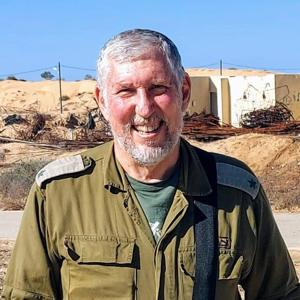


Elliot delved into the recent ceasefire agreement between Israel and Lebanon, highlighting Hezbollah's immediate violations, the complexities of the agreement, and the historical context of Hezbollah's actions. It discusses the role of international forces, particularly the US and UN, in enforcing the agreement, and examines Israel's strategic considerations, including military readiness and logistical challenges. The speaker emphasizes the importance of Israel's response to any violations to prevent a return to conflict.
Elliot and Dov Chodoff discuss the recent ruling by the International Criminal Court (ICC) regarding arrest warrants for Israeli leaders, including Prime Minister Netanyahu, on charges of war crimes. They explore the nature of the accusations, the procedural aspects of the ICC's actions, and the broader implications for international law and Israel's response. The discussion also touches on the global reactions to the ruling and the historical context of such legal actions against state leaders.
Takeaways
The ICC issued arrest warrants for Netanyahu and Galant.
The charges include war crimes and crimes against humanity.
The principle of command responsibility is complex in this context.
The ICC's jurisdiction is questioned regarding the state of Palestine.
The investigation timeline raises concerns about legal procedures.
Global reactions to the ICC ruling vary significantly.
The U.S. has a complicated history with the ICC.
International law is becoming increasingly politicized.
Israel's legal experts advocate for appealing the ICC's ruling.
The conversation highlights the fragility of international law.
Elliot breaks down the volatile Israel-Lebanon situation, revealing why conventional solutions may fail and what's really at stake for regional stability.
Elliot delves into the current state of Hamas following the elimination of Yahya Sinwar, exploring the implications of leadership changes, the immediate and long-term impacts on the organization, and the role of propaganda in shaping morale among its ranks. The discussion highlights the complexities of predicting future outcomes in the ongoing conflict and the resilience of institutional structures within Hamas despite the loss of key figures.
Takeaways
This conversation delves into the operational failures that contributed to the disastrous outcome of the October 7th Hamas attack on Israel. Elliot Chodoff discusses how the reliance on technology, poor military planning, and a lack of preparedness led to a catastrophic situation where the Israeli defense was unable to respond effectively to the assault. He emphasizes the importance of maintaining a robust military presence and operational readiness, regardless of intelligence assessments.
From the publisher's feed