
Sign up to save your podcasts
Or

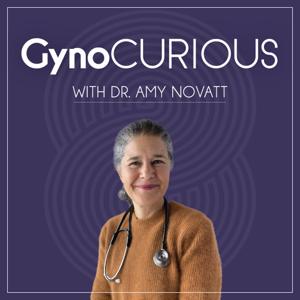

In this episode of GynoCurious, Dr. Amy Novatt goes solo to talk about the supplement creatine and its potential role for women navigating perimenopause and menopause. With the wellness space buzzing about creatine, Dr. Novatt breaks down what creatine is, how it’s produced in the body, and the types of foods that contain it. She explores the science behind creatine supplementation, especially in the context of muscle performance and energy metabolism, and addresses the question on many women’s minds: can creatine help protect muscles and bones during menopause? Dr. Novatt reviews current research, highlighting that while creatine may offer small improvements in lean mass and strength when combined with resistance training, it is not a magic bullet—taking it alone is unlikely to yield significant benefits. She also discusses individual variability in response and potential side effects, emphasizing the importance of third-party tested supplements and consulting a doctor before starting any new regimen. Ultimately, Dr. Novatt’s bottom line is clear: consistent resistance training and a balanced lifestyle are the best investments for menopausal health, with creatine possibly playing a minor, supportive role as science continues to evolve.
Questions of comments?
Produced by Jennifer Hammoud and Matty Rosenberg @ Radio Free Rhiniecliff
 View all episodes
 By Radio Free Rhinecliff
5
4444 ratings
In this episode of GynoCurious, Dr. Amy Novatt goes solo to talk about the supplement creatine and its potential role for women navigating perimenopause and menopause. With the wellness space buzzing about creatine, Dr. Novatt breaks down what creatine is, how it’s produced in the body, and the types of foods that contain it. She explores the science behind creatine supplementation, especially in the context of muscle performance and energy metabolism, and addresses the question on many women’s minds: can creatine help protect muscles and bones during menopause? Dr. Novatt reviews current research, highlighting that while creatine may offer small improvements in lean mass and strength when combined with resistance training, it is not a magic bullet—taking it alone is unlikely to yield significant benefits. She also discusses individual variability in response and potential side effects, emphasizing the importance of third-party tested supplements and consulting a doctor before starting any new regimen. Ultimately, Dr. Novatt’s bottom line is clear: consistent resistance training and a balanced lifestyle are the best investments for menopausal health, with creatine possibly playing a minor, supportive role as science continues to evolve.
Questions of comments?
Produced by Jennifer Hammoud and Matty Rosenberg @ Radio Free Rhiniecliff

91,131 Listeners
8,919 Listeners

38,234 Listeners

6,811 Listeners

38,909 Listeners

3,337 Listeners
9,654 Listeners
30,246 Listeners

112,347 Listeners
14,971 Listeners
3,802 Listeners

16,327 Listeners
209 Listeners
11,408 Listeners

13 Listeners
8 Listeners
4 Listeners
3 Listeners
13 Listeners

5 Listeners
4 Listeners
2 Listeners

4 Listeners
0 Listeners
40 Listeners

4 Listeners
3 Listeners
128 Listeners

5 Listeners
6 Listeners
5 Listeners
26 Listeners