
Sign up to save your podcasts
Or



Join us in this new episode of Built X Women series with Regine (Conde) Beauboeuf
Stories/Origin Story:
How did you get into engineering?
This episode includes discussions of specific examples of successful projects or initiatives led by women engineers, as well as insights into the unique perspectives and approaches they bring to the industry.
Recently there has been an increased push for more inclusive and just recruitment and workplace practices and policies. How should organizations respond?
Before they look at their People Analytics what should they do first? Should they share their DEI journey publicly? Why or why not?
During this interview, Randy Knaflic will walk you through the actions organizations should be taking pre, during and post reviewing their people analytics. From identifying the organization's philosophy to taking action, Randy will share his experience and expertise in using People Analytics for equality across an organization.
According to a Prosperity Now white paper entitled “The Road to Zero Wealth,” it will take 228 years for the average Black family to reach the level of wealth white families have today.
Additionally, if the racial wealth divide is left unaddressed, median Black household wealth is on the path to hit zero by 2053, while median white Household wealth is projected to climb to $137,000 during the same period.
During this interview, John Graham shares the Black Professionals experiences in corporate America. In his recently released book "Plantation Theory: The Black Professional’s Struggle Between Freedom & Security", John explains the realities that countless Black corporate professionals face despite best efforts to prove their worthiness of opportunity.
Driving change in an organization doesn't have to start at the top. If you're in a non-management role, this session is for you.
Faith Eatman will share how she utilized DEI data to persuade management in her organization to create programs to level the playing field for Black Women. While her story isn't typical it does provide tactics individual contributors can take for data-driven organizational changes.
Many workplace challenges have developed from the pandemic. Human Resources professionals have had to use their skill sets and technology to
overcome them. One of the most common workplace challenges is the decrease in employee engagement.
During this session, Marissa Lee shares how she used analytics to drive retention within organizations. She will share how she was able to increase employee engagement, especially during the pandemic, by integrating data analytics with HR tactics, over a short time period.
Learn how you can use HR or Engagement analytics to improve your employees’ participation during difficult times.
In this session, Laurel Rutledge will share why organizations need to start with data first before making organizational changes. She’ll share the importance of understanding the impact of past decisions before creating a path to an organization's future. Lastly, you’ll learn how People Analytics differs from Business Analytics and why it matters.
Companies and organizations have been training Black and Hispanic people for roles in engineering, tech, financial services and other industries. Their goals were to diversify these fields. Yet, diversity has not improved significantly for most companies in these industries.
During this session, Clarissa Silva shares why programs like these aren't impactful and what data employers should be tracking to show progress and success.
In this episode, we have a special discussion around National Minority Health Month with Dr. Asha Bailey. She’s a South Carolina native, a Clemson University graduate, as well as a graduate of this little medical school in Philadelphia. And she has been practicing nephrology for over 10 years now here, specifically in the state of South Carolina.
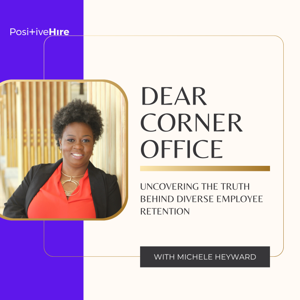
Much of the cultural changes, white management teams promised have stalled. During the next few discussions, Michele Heyward and other DEI professionals will discuss the actions and barriers white people in management roles need to do now to continue this work. After we're done celebrating Black History Month, International Women's Day, Women's History Month, Women's Equal Pay Day, etc., what's next?
From the publisher's feed