What is confident vulnerability in leadership, and why does it matter?
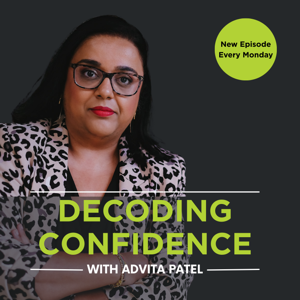
Vulnerability has become a buzzword in leadership and workplace culture, but it's often misunderstood. In this episode of Decoding Confidence, leadership consultant Advita Patel unpacks what confident vulnerability actually looks like and what it definitely isn't.
You'll discover the difference between genuine humanness and performative oversharing, explore groundbreaking research and learn practical ways to build psychological safety and trust in teams without making yourself (or your team) uncomfortable.
Perfect for: Leaders, managers, HR professionals, and anyone wanting to create psychologically safe teams and build authentic workplace relationships.
If you've ever felt pressure to be "more open" at work but weren't sure how to do it safely, or if you've experienced forced vulnerability that made you uncomfortable, this episode is for you.
Main Topics:
Psychological safety at work and its impact on team performanceLeadership vulnerability vs performative vulnerabilityBrené Brown's vulnerability research and findings from Daring GreatlyAmy Edmondson's research on team psychological safetyThe OPEN model for professional vulnerability (Own, Purpose, Extend, Navigate)Building trust in leadership through intentional vulnerabilityCultural intelligence and vulnerability across different contextsWorkplace boundaries and emotional intelligence for leadersTeam effectiveness and creating psychologically safe environmentsWhat You'll Learn
✅ The research-backed difference between confident vulnerability and performative oversharing
✅ How to use the OPEN model to practice professional vulnerability safely
✅ The surprising connection between admitting mistakes and team performance
✅ Why forced vulnerability is actually control, not connection
✅ How vulnerability looks different across cultures and identities
✅ Three micro-habits for building trust without crossing boundaries
Key Takeaways
Confident vulnerability is:
Episode Timestamps
00:00 - Introduction: What vulnerability is and isn't in leadership
02:00 - Defining vulnerability: Humanness vs disclosure
04:00 - Real example: When vulnerability is forced (the private leader story)
09:00 - Why pressured disclosure undermines confidence and psychological safety
13:00 - What confident vulnerability looks like in practice
17:00 - The OPEN model for professional vulnerability
21:00 - Identity, power, and risk: Why vulnerability doesn't land equally for everyone
24:00 - Three micro-habits for practicing confident vulnerability
27:00 - The research: Google Project Aristotle, Amy Edmondson, and Brené Brown
30:00 - Reflection questions for leaders
31:00 - Closing thoughts and next episode preview
Reflection Questions for Leaders
Where might vulnerability be being expected rather than earned in your workplace?How do you model humanity without asking others to take risks you won't take yourself?Where might you be protecting your ego instead of protecting trust?What would change if you allowed yourself to say "I don't know" more often?What does confident vulnerability look like for you—not for anyone else?Featured Research & Resources
Books Mentioned:
Daring Greatly: How the Courage to Be Vulnerable Transforms the Way We Live, Love, Parent, and Lead by Brené BrownDare to Lead: Brave Work, Tough Conversations, Whole Hearts by Brené BrownThe Fearless Organization: Creating Psychological Safety in the Workplace for Learning, Innovation, and Growth by Amy C. EdmondsonDecoding Confidence: The Seven Habits of Confident Leaders by Advita PatelResearch Studies Referenced:
Amy Edmondson (1999) - "Psychological Safety and Learning Behavior in Work Teams" - Administrative Science QuarterlyBrené Brown - 12 years of research on vulnerability, shame, and courageDecoding Confidence Survey - 507 professionals on confidence and leadership habitsFree Download:
30-Day Confidence Challenge About the Host
Advita Patel is a leadership consultant, communications expert, and author of Decoding Confidence: The Seven Habits of Confident Leaders. She helps leaders and organizations build confidence through practical, research-backed strategies. Advita has coached over 150 leaders and runs two businesses: CommsRebel and A Leader Like Me.
Her work has been featured in [publications], and she's known for making leadership development accessible, practical, and grounded in real-world experience.
Connect with Advita Patel
Website: DecodingConfidence.comSubscribe for more tips and adviceLinkedIn: linkedin.com/in/advitapatelInstagram: @Decoding_ConfidenceBook: Decoding Confidence - Available on Amazon and major retailers