
Sign up to save your podcasts
Or

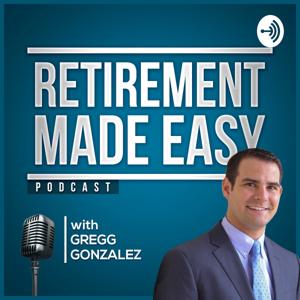

Retirement planning can feel overwhelming, but understanding key benefits and strategies can help you make the most of your financial future. On the show this week, I tackle listener questions on Health Savings Accounts (HSAs), Flexible Spending Accounts (FSAs), and Social Security. If you're considering an HSA, are curious about contribution limits, or want to know how HSAs can work alongside FSAs, I break it down in simple, clear language. I also answer a wide range of Social Security questions, and discuss how your benefits are calculated, timing your claim, navigating survivor benefits, and how to avoid costly mistakes during retirement.
You will want to hear this episode if you are interested in...
03:44 HSA vs. FSA & social security
09:12 HSA and the triple tax advantage
16:38 "HSA vs. FSA explained
21:02 Early retirement social security adjustments
26:45 IRMAA Surcharges and Roth Conversions
30:00 Social security claim rules
37:09 Social security benefits strategy
38:36 Social security survivor benefits
44:45 Understanding social security earnings & inflation
The Power of Health Savings Accounts
HSAs stand out because contributions are tax-deductible, invested money grows tax-free, and withdrawals for qualified medical expenses are also tax-free. Unlike IRAs or 401(k)s, there are no required minimum distributions (RMDs), making them an appealing vehicle for long-term savings. Contributions via payroll deductions also avoid Social Security and Medicare taxes, enhancing their tax efficiency.
HSAs are often misunderstood or underused, but they offer some of the most attractive tax benefits for medical expenses in retirement. To qualify, you must be enrolled in a high-deductible health plan. The latest contribution limits for 2026 are $4,400 for individuals and $8,750 for families, with a $1,000 catch-up for those 55 and older. Interestingly, the catch-up for HSAs starts at 55, unlike the 401(k) catch-up, which begins at 50.
HSAs vs. FSAs: What's the Difference?
Flexible Spending Accounts (FSAs) often get confused with HSAs, but they are fundamentally different. FSAs are a "use it or lose it" account, meaning funds must be spent within the plan year or risk forfeiture. HSAs roll over year to year and can accumulate significant balances for future health expenses and even long-term care. HSAs also have more flexible investment options and ownership, making them superior for many long-term planners.
Navigating Social Security Statements, Timing, and Benefits
Social Security's rules and estimates can be confusing. Your Social Security statement provides estimates based on the assumption you'll continue working at your current salary until retirement. If you retire early, these estimates adjust, but they don't include cost-of-living increases or Medicare Part B premiums, which will come directly out of your benefit. Many retirees are surprised to find their actual monthly check is lower than expected due to these deductions.
One major factor is IRMAA (Income-Related Monthly Adjustment Amount), which increases Medicare premiums for higher-income retirees, based on income from two years prior. However, you can request an exception if your income drops due to retirement, using the SSA-44 form.
Timing your claim is important. Social Security is typically a month or two behind when benefits start, so plan accordingly. Earned income before claiming does not count toward the annual limits; only income earned after starting benefits does. Spousal income also doesn't affect your individual Social Security benefit.
Strategy Matters
Retirement planning goes beyond just saving—it's about making strategic decisions for your health, income, and legacy. HSAs, Social Security, and FSAs all have unique rules that affect how you can maximize their benefits. Take time to understand how these accounts work, and don't be afraid to seek expert advice for your unique situation.
Resources & People Mentioned
3 Steps to Retirement Planning
Connect With Gregg Gonzalez
Email at: [email protected]
Podcast: https://RetireStrongFA.com/Podcast
Website: https://RetireStrongFA.com/
Follow Gregg on LinkedIn
Follow Gregg on Facebook
Follow Gregg on YouTube
Subscribe to Retirement Made Easy On Apple Podcasts, Spotify, Google Podcasts
 View all episodes
 By Gregg Gonzalez

4.9
3434 ratings
Retirement planning can feel overwhelming, but understanding key benefits and strategies can help you make the most of your financial future. On the show this week, I tackle listener questions on Health Savings Accounts (HSAs), Flexible Spending Accounts (FSAs), and Social Security. If you're considering an HSA, are curious about contribution limits, or want to know how HSAs can work alongside FSAs, I break it down in simple, clear language. I also answer a wide range of Social Security questions, and discuss how your benefits are calculated, timing your claim, navigating survivor benefits, and how to avoid costly mistakes during retirement.
You will want to hear this episode if you are interested in...
03:44 HSA vs. FSA & social security
09:12 HSA and the triple tax advantage
16:38 "HSA vs. FSA explained
21:02 Early retirement social security adjustments
26:45 IRMAA Surcharges and Roth Conversions
30:00 Social security claim rules
37:09 Social security benefits strategy
38:36 Social security survivor benefits
44:45 Understanding social security earnings & inflation
The Power of Health Savings Accounts
HSAs stand out because contributions are tax-deductible, invested money grows tax-free, and withdrawals for qualified medical expenses are also tax-free. Unlike IRAs or 401(k)s, there are no required minimum distributions (RMDs), making them an appealing vehicle for long-term savings. Contributions via payroll deductions also avoid Social Security and Medicare taxes, enhancing their tax efficiency.
HSAs are often misunderstood or underused, but they offer some of the most attractive tax benefits for medical expenses in retirement. To qualify, you must be enrolled in a high-deductible health plan. The latest contribution limits for 2026 are $4,400 for individuals and $8,750 for families, with a $1,000 catch-up for those 55 and older. Interestingly, the catch-up for HSAs starts at 55, unlike the 401(k) catch-up, which begins at 50.
HSAs vs. FSAs: What's the Difference?
Flexible Spending Accounts (FSAs) often get confused with HSAs, but they are fundamentally different. FSAs are a "use it or lose it" account, meaning funds must be spent within the plan year or risk forfeiture. HSAs roll over year to year and can accumulate significant balances for future health expenses and even long-term care. HSAs also have more flexible investment options and ownership, making them superior for many long-term planners.
Navigating Social Security Statements, Timing, and Benefits
Social Security's rules and estimates can be confusing. Your Social Security statement provides estimates based on the assumption you'll continue working at your current salary until retirement. If you retire early, these estimates adjust, but they don't include cost-of-living increases or Medicare Part B premiums, which will come directly out of your benefit. Many retirees are surprised to find their actual monthly check is lower than expected due to these deductions.
One major factor is IRMAA (Income-Related Monthly Adjustment Amount), which increases Medicare premiums for higher-income retirees, based on income from two years prior. However, you can request an exception if your income drops due to retirement, using the SSA-44 form.
Timing your claim is important. Social Security is typically a month or two behind when benefits start, so plan accordingly. Earned income before claiming does not count toward the annual limits; only income earned after starting benefits does. Spousal income also doesn't affect your individual Social Security benefit.
Strategy Matters
Retirement planning goes beyond just saving—it's about making strategic decisions for your health, income, and legacy. HSAs, Social Security, and FSAs all have unique rules that affect how you can maximize their benefits. Take time to understand how these accounts work, and don't be afraid to seek expert advice for your unique situation.
Resources & People Mentioned
3 Steps to Retirement Planning
Connect With Gregg Gonzalez
Email at: [email protected]
Podcast: https://RetireStrongFA.com/Podcast
Website: https://RetireStrongFA.com/
Follow Gregg on LinkedIn
Follow Gregg on Facebook
Follow Gregg on YouTube
Subscribe to Retirement Made Easy On Apple Podcasts, Spotify, Google Podcasts

1,955 Listeners

444 Listeners

810 Listeners

1,333 Listeners

455 Listeners
536 Listeners
750 Listeners

548 Listeners

700 Listeners
193 Listeners

833 Listeners

204 Listeners

584 Listeners

1,069 Listeners
101 Listeners