
Sign up to save your podcasts
Or

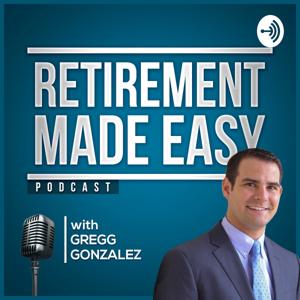


Two common financial traps retirees fall into when trying to protect themselves are certain types of life insurance policies and buying lifetime income annuities. On the show this week, I explain why these products might not be as effective as they seem and give practical advice for evaluating your retirement options. I also answer listener questions about 401(k) contribution limits, health insurance before Medicare, suspending Social Security benefits, and what happens to your 401(k) loan if you retire.
You will want to hear this episode if you are interested in...
Do You Really Need Life Insurance in Retirement?
For many retirees with sufficient assets and financial independence, life insurance may no longer be necessary. The mortality risk may have passed, and continuing to pay premiums could be a poor use of resources.
A major pitfall arises with Accidental Death & Dismemberment (AD&D) policies. These policies sound impressive—$500,000 coverage, for example—but only pay out for very specific, often rare, qualifying accidents. The stringent exclusions mean most people are unlikely to benefit. AD&D policies can lull holders into a false sense of security, making them believe they have broad protection when, in reality, their coverage is extremely limited.
Lifetime Income Annuities
Annuities, particularly fixed indexed annuities with lifetime income riders, are often marketed as a way to "guarantee" income throughout retirement. So how do these contracts work? For example, you might pay $100,000 for a guaranteed $6,000 per year for life. The catch is that the $6,000 payout doesn't grow with inflation.
As the years pass, all living expenses—groceries, utilities, insurance—tend to rise, but the income from a fixed annuity stays the same. Without cost-of-living adjustments, retirees locking in fixed income are at risk of losing purchasing power and financial flexibility as time goes on. The same warning applies to fixed pensions, especially ones without inflation protection.
Health Insurance Before Medicare
One major reason retirees wait until age 65 to leave the workforce is the difficulty and cost of securing health insurance before Medicare eligibility. COBRA can be prohibitively expensive—one example cited was $1,200 per person, per month. The Affordable Care Act (ACA) is an option, with subsidies available based on income. Some choose private plans or use a spouse's employer insurance.
Explore all health coverage options, compare prices, understand potential subsidies, and plan your retirement date accordingly. Temporary coverage before Medicare is often just a bridge, but one that must be carefully planned.
Social Security Suspension
If your financial situation changes—due to inheritance, increased income, or the need to minimize taxable income—you can suspend your Social Security at full retirement age to accrue delayed credits, resulting in a higher benefit when you restart. This strategy isn't widely known, but can be a powerful option for optimizing retirement income.
Resources & People Mentioned
Connect With Gregg Gonzalez
Subscribe to Retirement Made Easy On Apple Podcasts, Spotify, Google Podcasts
Common gaps can derail even the best-laid retirement plans—no matter how much you've saved, how well you've managed your finances, or how prepared you feel. This week, I explain how missing one critical detail—like not having a withdrawal strategy or not keeping both spouses involved in financial decisions—can put your retirement dreams at risk, and how you can fill those gaps to protect your financial future.
You will want to hear this episode if you are interested in...
Finding the Gaps in Your Retirement Planning
Gaps in retirement planning exist everywhere, from high-net-worth individuals to those just starting to save for retirement. Identifying these gaps to taking your car to a mechanic. On the surface, your vehicle (or financial plan) may seem to be running smoothly, but an expert looking "under the hood" may find problems that could become catastrophic if not addressed early. These range from minor inefficiencies to critical issues, a bit like a worn-out timing belt that could destroy your engine if it fails at the wrong time.
Preventative maintenance helps fill in some of those gaps, and inviting a second opinion and being open to outside perspectives on your plan is invaluable.
The Danger of Multiplying by Zero
You can make all the right moves for decades, but one overlooked detail—an estate planning error, a lack of withdrawal strategy, or a severe market event—can take your result back to zero.
For example, maybe one spouse manages all family finances and then passes away unexpectedly, the surviving spouse may have little understanding of investments, account locations, or the broader retirement plan, leading to confusion and poor decisions at a time of extreme stress. The result is that a lifetime of sound financial choices can be undone quickly if gaps are left unchecked.
Relying Too Heavily on Social Security
Another important gap is relying on the misconception that Social Security alone can provide a comfortable retirement. The average benefit in 2026 is expected to be $2,081 per month, or about 40% of most people's retirement income. For those with higher net worth, Social Security represents a smaller percentage; for those with less, it might be nearly everything.
I knew of a couple with no children who planned to deplete their 401(k)s by age 70 to maximize their Social Security checks—but hadn't considered what would happen if one spouse died early or a major expense arose. With little in savings, their plan left scant flexibility and a wide "gap" in their financial security.
How to Identify and Close Your Gaps
You need to proactively look for gaps in your plan. This could mean consulting a professional for a second opinion, or simply being willing to revisit and reassess your goals and strategies as your life changes. Addressing these blind spots can be tricky, but the payoff is lasting financial independence and peace of mind. Always dream big—but be sure those dreams are supported by a strong, gap-free foundation!
Resources & People Mentioned
3 Steps to Retirement Planning
Connect With Gregg Gonzalez
Subscribe to Retirement Made Easy On Apple Podcasts, Spotify, Google Podcasts
Today I'm sharing more about the common mistakes and pitfalls that can derail a well-planned retirement, pulled entirely from my own extensive experience. I have over 16 years of experience helping people over 50 prepare for life after work, and I want to point out specific problem areas—like underestimating expenses, ignoring inflation, and locking money into illiquid investments—that often catch retirees off guard. Detailed planning is paramount, including anticipating big-ticket expenses and staying flexible as life unfolds.
You will want to hear this episode if you are interested in...
06:18 Common retirement planning mistakes
13:22 Planning for your future expenses
17:28 Understanding your investments fully
20:51 Managing retirement savings and living costs
27:14 Understanding Net vs. Gross Income
28:32 Budgeting and expenses in retirement
33:53 Annuity and IRA withdrawal rules
34:53 The importance of consulting a tax advisor
Building a Realistic Retirement Plan Beyond Basic Assumptions
It's so dangerous to rely on oversimplified rules of thumb when estimating your retirement needs. So many people approach retirement thinking a set withdrawal rate—such as 4% or 5% of their savings—will meet all of their needs. But this doesn't account for large, non-recurring expenses such as home repairs, new vehicles, or family emergencies. These can dramatically throw off a budget if not planned for. A solid retirement plan should include line items for these bigger, less frequent costs, as well as routine expenses like property taxes and healthcare. The more specific and comprehensive the plan, the better prepared you'll be to weather life's inevitable curveballs.
Don't Let Your Purchasing Power Erode
Ignoring inflation during retirement planning is a huge mistake. Costs for essentials—healthcare, housing, groceries, and basic services—historically trend upward, rarely decreasing. I discuss scenarios in which static sources of income, such as most pensions, fail to keep pace with the rising cost of living, forcing retirees to draw more heavily on their savings each year. To maintain financial security, retirement plans need to account for future rises in living expenses by ensuring income—whether from Social Security, investments, or part-time work—increases at a pace that matches or exceeds inflation.
Understanding and Managing Real Retirement Spending
One of the most common ways retirees get into trouble is by misjudging their actual spending needs. You need honest, detailed budgeting and regular reviews of your spending. Many overestimate how much they'll save by cutting work-related expenses, only to find themselves spending the same—or more—on travel, hobbies, or family. A realistic retirement budget accounts for variability, includes a buffer for the unexpected, and distinguishes between gross and net income and spending. Accurately understanding your own and your spouse's spending tendencies can prevent unpleasant surprises and the fear of running out of money down the line.
Staying Intentional for Long-Term Security
Regularly revisiting your plan, being honest about your habits and needs, and getting expert advice before big moves can keep your retirement path steady, even when life throws you the occasional curveball. You can dream big—but plan with clarity, detail, and flexibility to safeguard your future.
Resources & People Mentioned
3 Steps to Retirement Planning
Retirement Planning Fidelity Investments
Connect With Gregg Gonzalez
Email at: [email protected]
Podcast: https://RetireStrongFA.com/Podcast
Website: https://RetireStrongFA.com/
Follow Gregg on LinkedIn
Follow Gregg on Facebook
Follow Gregg on YouTube
Subscribe to Retirement Made Easy On Apple Podcasts, Spotify, Google Podcasts
Retirement is the beginning of a new story, and the decisions you make leading up to your last working day can significantly impact your financial well-being and peace of mind. On the show this week, I focus on the importance of timing your retirement and how choosing the specific month to retire can significantly impact your finances, taxes, and benefits.
There are various financial and emotional factors to weigh—ranging from optimizing pensions and bonuses to health insurance coverage and even non-financial considerations like climate and seasonality. Careful planning avoids costly mistakes, such as unnecessary taxes or missed income opportunities. I also explore listener questions, covering topics such as whether to pay off your mortgage before retiring, how much cash to keep on hand, how to develop a withdrawal strategy, and how to plan for inherited IRAs, to empower you to make informed choices as you approach or navigate retirement.
>>>>>>>>>>>>>>>
You will want to hear this episode if you are interested in...
[01:45] How the timing of retirement affects financial outcomes
[05:55] Timing retirement with bonuses
[12:11] Timing retirement for tax benefits
[16:32] Paying off mortgage before retirement
[18:50] Premature 401 (k) withdrawal tax mistake
[26:44] Benefits of early Roth conversions
[31:49] Planning a tax-free legacy
[41:54] Understanding annuity and IRA rules
The Right Month to Retire
One concept discussed was the surprising significance of when in the year you retire. Many people pick their retirement date based on sentimental reasons—such as a birthday or simply reaching the end of a fiscal quarter. In actual fact, the month you retire can swing your benefits, taxes, and overall income.
There is a financial advantage of retiring early in the year, particularly in the spring. Retiring after you've earned just a few months of income keeps you in a lower tax bracket for the year. This allows you to maximize Roth IRA or 401(k) contributions, capitalize on the year's HSA limits, and possibly stack up a payout on unused vacation and PTO in a low-income year—saving you thousands in taxes. Conversely, retiring near the end of the year—after most income is already earned—often means higher taxes on lump-sum payouts and fewer options for account contributions.
Retiring into spring, particularly in colder climates, can offer a positive mental boost, making the transition out of work more enjoyable compared to the isolation of a winter retirement.
Don't Leave Money on the Table
Specific benefits such as bonuses, profit sharing, and pension calculations are often tied to your official retirement date. For instance, certain pension plans count an additional year of service if you retire in January rather than December, potentially increasing your monthly payout for life.
Bonuses commonly paid in the first quarter motivate many to extend their tenure until after the check clears. Health insurance is another major factor—timing your departure can determine whether you maximize employer contributions or face high premiums through COBRA or private options, especially if you retire before becoming Medicare-eligible at 65.
Mortgage Decisions: To Pay Off or Not to Pay Off?
A popular listener question is whether to pay off your mortgage before retirement. While there's no one-size-fits-all answer, many self-made millionaires pay off their homes early. Without a mortgage, your required monthly income drops—granting financial flexibility and security.
Rushing to pay off your mortgage by tapping tax-deferred accounts while still earning a high salary can lead to hefty tax bills—sometimes costing tens of thousands extra. Instead, consider timing large withdrawals for when your income is lowest to minimize taxes, especially in your first year of retirement.
Making Your Money Last
There are many different approaches to withdrawing funds in retirement, like proportional withdrawals across tax buckets, or spending from traditional IRAs first and Roth IRAs last, and they can have drastic long-term tax implications.
Legacy goals further complicate the equation. If leaving tax-efficient inheritances or charitable gifts is important, incorporating those aims into your withdrawal strategy early makes a huge difference for heirs. Mapping out these decisions alongside a financial planner can mean hundreds of thousands in potential savings. Retirement is a complex transition that deserves a thoughtful, strategic approach. The months and years leading up to your last day at work hold opportunities (and pitfalls) that can greatly affect your financial future.
Resources & People Mentioned
3 Steps to Retirement Planning
Ramsey Solutions
Connect With Gregg Gonzalez
Email at: [email protected]
Podcast: https://RetireStrongFA.com/Podcast
Website: https://RetireStrongFA.com/
Follow Gregg on LinkedIn
Follow Gregg on Facebook
Follow Gregg on YouTube
Subscribe to Retirement Made Easy On Apple Podcasts, Spotify, Google Podcasts
In this episode, I take you through the three most common mistakes people make in retirement—and how you can avoid them to set yourself up for long-term success. From overspending in the early days of retirement to overlooking crucial tax strategies and entering retirement without a written income plan, I discuss why these pitfalls happen and what you can do differently.
Later in the episode, it's rapid fire as I answer your listener questions on topics like Social Security benefits, Roth conversions, pension payout choices, and how to invest your retirement accounts once you leave the working world. Whether you're approaching retirement or already there, this episode is packed with practical advice and actionable tips to help you retire strong and confident.
You will want to hear this episode if you are interested in...
Mistake #1: Underestimating Your Retirement Spending
"Every day is a Saturday" is a phrase that sounds pleasantly carefree, but it's at the core of the number one retirement mistake: overspending. Without the Monday-to-Friday routine of work to constrain your weekdays, retirees often find that daily life has more opportunities—sometimes temptations—for spending. Whether it's travel, home improvement, treating family, or even increased online shopping, expenditures can skyrocket in those first years.
Blowing past your planned budget doesn't just cause headaches; it puts long-term income strategies at risk. Every unexpected withdrawal may drive up your taxes, disrupt your investment plan, and hinder the compounding potential of your retirement savings. Those first five years are absolutely crucial—financial missteps can have long-ranging implications decades down the road.
Mistake #2: Ignoring Retirement Taxes
A common misbelief is that retirement brings an end to complicated tax matters, in fact, taxes remain a key player in your financial picture. Many retirees are shocked to learn that their Social Security benefits may be taxed, especially as thresholds haven't kept pace with inflation. Tax mismanagement can also trigger costly Medicare surcharges or force higher withdrawals from retirement accounts.
Smart, proactive tax planning can save tens of thousands over your lifetime. Key strategies include:
Understanding Social Security's provisional income rules and the impact on benefit taxation.
Anticipating required minimum distributions (RMDs) at age 75 and their tax consequences.
Considering Roth conversions to manage future tax liabilities 16:08.
Leveraging charitable giving strategies, such as qualified charitable distributions or donor-advised funds, to optimize both your giving and your tax bill.
Mistake #3: Failing to Create an Income Plan
Too many retirees believe they'll simply figure it out as they go, drawing Social Security and taking withdrawals ad hoc. This hands-off approach is a mistake, the retirees who fare best are those with a written income plan. They know where their money is coming from, how taxes will be handled, which accounts to tap (and when), and how they'll adapt as life circumstances change.
Retirement should be enjoyable and fulfilling—free of constant financial worry. Avoiding these three key mistakes lays the foundation for long-term success and peace of mind. Focus on realistic budgeting, proactive tax planning, and a clearly defined income strategy.
Resources & People Mentioned
3 Steps to Retirement Planning
Connect With Gregg Gonzalez
Subscribe to Retirement Made Easy On Apple Podcasts, Spotify, Google Podcasts
This week I'm discussing the latest Social Security Trustees Report, what it means for your future benefits, what changes may be coming, and how millions of Americans are already planning ahead. I'll dig into the psychology and strategy of spending down your savings once you retire, including how to transition from saving to spending, why an "intentional adjustment" matters, and the critical role of having a written plan. I also answer listener questions about withdrawal strategies and how to weigh the decision of working "one more year."
You will want to hear this episode if you are interested in...
What the Latest Social Security Report Means
Recent headlines about Social Security's future have stirred anxiety for those nearing—or already in—retirement. The Social Security Trustees' latest report brings sobering news: if no legislative action is taken, benefits will face a 22% cut by the end of 2032. For the average American, that translates to receiving just 78 cents on the dollar compared to today's checks.
Roughly 73 million Americans currently collect Social Security, with that number projected to hit nearly 80 million by 2035. 66% of today's retirees lean heavily on these benefits, up from 52% twenty years ago. Aging populations, fewer pensions, and growing living costs further exacerbate the shortfall.
Adjusting Your Retirement Plan in Uncertain Times
With these potential benefit cuts looming, many are rethinking their assumptions. Some pre-retirees adjust their retirement income projections to reflect "worst-case" Social Security—assuming perhaps only 75-78% of currently promised benefits. This kind of conservatism can bring peace of mind when planning, though it's still possible that Congressional fixes will preserve more generous payouts.
Planning for the unknown also means keeping tabs on Social Security's annual earnings cap, which is rising—from $168,600 in 2024 to $184,500 in 2026. For top earners, this means more taxable income, and for retirement planners, one more variable to consider.
The Psychology and Practicality of Decumulation
Flipping from saver to spender is often more difficult than expected. Many accumulate for decades, watching their nest egg grow, and then feel uneasy as withdrawals begin. Having a clear spend-down plan is crucial—not only for finances, but for confidence and peace of mind.
Try a "bucket" strategy—dividing assets into income, cash reserve, and long-term growth buckets. By doing this, you'll be able to weather market swings and adjust spending appropriately in both up and down years. Importantly, plans should be flexible: during bull markets, withdrawals might increase modestly; in downturns, tightening the belt can protect long-term sustainability.
The Measure of Retirement Success
Retirement fulfillment isn't about dying with the largest possible nest egg, it's about achieving financial independence, enjoying freedom, and creating meaningful connections. Studies show that those who use their savings for experiences, relationships, and a sense of purpose report far greater happiness.
This is about it in these terms, if you knew with certainty that your money would last, how would you spend differently starting tomorrow in retirement? Reflecting on this can help clarify goals and foster the confidence to pursue a fulfilling vision for retirement.
Resources & People Mentioned
Connect With Gregg Gonzalez
Subscribe to Retirement Made Easy On Apple Podcasts, Spotify, Google Podcasts
Retirement is often painted as a well-earned period of leisure, adventure, and relaxation. Yet, the journey to a fulfilling retirement is rarely straightforward. On this episode of the show, I'm shining a light on the intricate realities lying beneath common assumptions—and how the right planning, rooted in your personal goals and beliefs, makes all the difference. I also share an eye-opening case study highlighting the difference between being told you're "good to retire" and actually being prepared for retirement.
You will want to hear this episode if you are interested in...
[00:00] Advice on personalized retirement planning
[09:35] Retirement finances beyond your 401k
[12:50] Planning a travel-focused retirement
[15:13] Discussing retirement readiness scoring
[17:51] Estimating future long-term care costs
[21:06] Risks of a fixed income
[30:34] Understanding annuities and IRA conversions
When Generic Advice Isn't Enough
It's critical it is to have a tailored retirement plan, not just a verbal green light from a general financial planner. Retirement is one of life's most significant transitions: leaving behind peak earning years for potentially three decades or more of financial independence. Generic answers, unsupported by analysis, put dreams and security at risk.
What Makes Up a True Retirement Plan?
Retirement planning isn't just a matter of having "enough" in a 401(k) to draw a standard percentage each year. There is a huge array of considerations required for a robust plan:
Health Insurance Before Medicare: What happens if you retire at 61, but Medicare doesn't kick in until 65? Options like COBRA may be costly and only temporary. Knowing all available choices is crucial to avoid unexpected expenses.
Housing Decisions: Downsizing might not bring the savings (or happiness) you expect in today's real estate market. Plans should address whether you'll stay, improve your home, or move, and how each choice affects your budget and taxes.
Major Expenses and Repairs: From home improvements to HVAC upgrades, factoring in intermittent—but significant—expenses is part of protecting your financial stability in retirement.
Timing Social Security: Early collection might not be best, especially for those with longevity in their family. Taking a holistic view of Social Security's role in your cash flow and legacy is vital.
Personal Goals: Retirement is about more than cash flow. What do you wish to do—travel, spend time with family, pursue hobbies? These needs must be "baked into" your plan, not treated as afterthoughts.
Why There Are No Shortcuts in Planning
The elevator to success is broken. You have to use the stairs!. You need to put in the work, do some brainstorming, and conduct continuous review to build a strong retirement plan. Shortcuts—like relying on rules of thumb or ignoring nuanced needs—leave you exposed to avoidable pitfalls.
Assessing your "retirement readiness grade" honestly helps identify what's missing. Rarely does someone fail readiness due to insufficient savings alone; more often, the gaps lie in overlooked factors such as healthcare, taxes, risk mitigation, or a lack of clarity on what retirement should look like.
The Power of Personal Core Beliefs in Shaping Strategy
Your beliefs and values shape your retirement strategy. These core beliefs drive thoughtful planning:
Long-Term Care is a Universal Risk: Statistically, women face a higher likelihood of needing care, but everyone must plan for this unpredictable cost.
Inflation Is Inevitable: Rising costs, from stamps to healthcare, erode fixed incomes over time. A plan that doesn't anticipate inflation invites hardship down the road.
National Debt and Taxes: With U.S. debt at $40 trillion and growing, it's prudent to assume taxes will rise in future decades; your tax strategy should reflect that likelihood, even as you account for uncertainty.
Writing Your Own Next Chapter
Most importantly, you have to understand that retirement as a deeply personal chapter—you get to decide what happiness and fulfillment mean. Whether that involves travel, volunteering, family time, or pursuing new ventures, your personal goals must drive your planning process. There's no one-size-fits-all template; only a comprehensive, personalized plan offers true peace of mind.
Retirement readiness isn't a destination handed to you—it's a path you build through diligent planning and honest reflection on what matters most to you. By moving beyond generic reassurances and crafting a strategy rooted in personal goals and beliefs, you can confidently step into retirement's best years.
Resources & People Mentioned
3 Steps to Retirement Planning
Connect With Gregg Gonzalez
Email at: [email protected]
Podcast: https://RetireStrongFA.com/Podcast
Website: https://RetireStrongFA.com/
Follow Gregg on LinkedIn
Follow Gregg on Facebook
Follow Gregg on YouTube
Subscribe to Retirement Made Easy On Apple Podcasts, Spotify, Google Podcasts
The conversation this week explores the mindset shifts required as individuals move from years of saving and accumulating wealth to the daunting prospect of spending down those savings. Emotional readiness, habits, and even arbitrary financial goals can become barriers to making the leap into retirement—even when the numbers already add up. I share practical strategies for addressing these mental roadblocks, emphasizing the importance of holistic preparation: not just being financially set, but also feeling ready psychologically, emotionally, and spiritually for the next chapter.
You will want to hear this episode if you are interested in...
The Mental Shift: From Saver to Spender
Many people spend their entire careers diligently saving, watching their nest egg grow with every paycheck. The idea of suddenly switching gears and drawing down these savings can be jarring. There is emotional discomfort when net worth begins to shrink rather than expand—a fundamental change in financial behavior that can evoke anxiety and hesitation.
We're all creatures of habit, and retirement is an adjustment similar to giving up a longtime routine, such as parking in the same spot every day or sitting in the same pew at church. Shifting from saving to spending poses a formidable mental barrier, especially for those who have identified as "savers" their whole lives.
The Myth of "The Number" and Moving Goalposts
The fixation on arbitrary financial goals—often a nice round number in a 401(k)—can obscure the reality of one's retirement readiness. Lots of people continue to work, constantly resetting their savings target to higher and higher amounts. This moving target provides psychological comfort but can prevent people from enjoying the fruits of their labor. The reality is that true retirement readiness also requires emotional and psychological preparedness, not just a magic number on paper.
Planning for the Unknown
There is a common fear of retiring into a downturn: What if the economy tanks right after I step away? What if my savings aren't enough in the worst-case scenario? These uncertainties are valid, but letting fear dictate your future can lead to missed opportunities for happiness and fulfillment. That's why crafting a withdrawal and investment strategy designed to weather both good and bad market conditions is so valuable.
Instead of focusing solely on what could go wrong, try making a mind shift: "What if my best days are ahead?" Optimism, balanced with prudent financial analysis, is the key to unlocking the confidence needed for a well-timed retirement.
Retirement isn't just a number or an account balance—it's a reimagining of purpose, identity, and daily life. By addressing both the mental and practical sides of the equation, anyone can step into retirement with clarity, optimism, and a sense of readiness for whatever comes next.
Resources & People Mentioned
3 Steps to Retirement Planning
Connect With Gregg Gonzalez
Subscribe to Retirement Made Easy On Apple Podcasts, Spotify, Google Podcasts
Retirement planning is about more than just saving money—it's about making smart decisions with your finances to ensure that you keep as much of what you've earned as possible. On the show this week, I'm sharing essential strategies for managing your taxes in retirement—including a real-life example of a couple selling $146,000 in capital gains and paying zero taxes. I break down the benefits of non-retirement brokerage accounts, clarify the rules around capital gains and losses, and reveal a key element of the tax code that hasn't changed in nearly 50 years. In the second half of the show, I'm also discussing the risks and rewards of company stock, stock options, and restricted stock units (RSUs), and providing guidance for anyone investing in their own company or dealing with equity compensation. This episode is packed with practical advice and insightful stories to help you retire in the best financial position possible.
You will want to hear this episode if you are interested in...
Understanding Brokerage (Non-Retirement) Accounts
Brokerage accounts, also known as non-retirement accounts, are investment accounts funded with after-tax dollars. Unlike IRAs or 401(k)s, which have strict withdrawal rules and penalties, these accounts offer much more flexibility. There are two primary advantages:
Accessibility: Funds are available before age 59½, meaning you aren't locked into waiting as with some retirement accounts.
Tax Control: Taxes in these accounts are mainly due on capital gains, dividends, and interest, and you can influence the timing and amount of tax owed by managing what and when you sell.
Many investors overlook the advantages of these accounts, often assuming that retirement planning must revolve solely around 401(k)s and IRAs. Speaker B points out that one of the biggest benefits is the ability to 'cherry pick' what is bought and sold, giving investors direct control over their tax liabilities.
Capital Gains and Loss Harvesting
Most people are familiar with the idea of harvesting capital losses—selling investments at a loss to offset taxable gains or up to $3,000 of ordinary income per year. But 'harvesting capital gains' can also be a powerful strategy. If your income is low enough in a particular year, it's possible to realize long-term capital gains at zero federal tax, especially under current tax laws.
There are nuances, however. The $3,000 capital loss deduction limit hasn't changed since 1978, despite decades of inflation, and excess losses must be carried forward to future years—a critical aspect often forgotten. Additionally, the wash-sale rule prevents you from writing off a loss if you purchase the same (or substantially identical) security within 30 days before or after the sale.
Risks and Rewards of Company Stock, Stock Options, and RSUs
Equity compensation—whether through company stock, stock options, or restricted stock units (RSUs)—is a growing component in many retirement portfolios. Stock options come in two primary flavors—incentive stock options (ISOs) and non-qualified stock options (NSOs)—with distinct tax treatments. The potential upside can be huge, especially in fast-growing companies, but if the stock price falls below the strike price, the options may end up worthless.
Upon vesting, the value of Restricted Stock Units (RSUs) is taxed as ordinary income. Many companies manage tax withholding by selling some shares at vesting, but any future gains after vesting are subject to capital gains tax.
Overreliance on one company's stock can be financially devastating. Don't be like the Enron employee who lost almost everything by refusing to diversify. It's essential to manage company-specific risk and diversify holdings as you approach retirement.
Resources & People Mentioned
Connect With Gregg Gonzalez
Subscribe to Retirement Made Easy On Apple Podcasts, Spotify, Google Podcasts
What does it mean to retire in 2026, and how does today's retirement landscape differ from 10 or 20 years ago? With more retirees facing challenges such as rising healthcare costs, higher cost of living, concerns about Social Security, shifting demographics, and the impacts of national debt, this episode digs into the current risks and opportunities for those planning their golden years. I share insights from a recent Goldman Sachs retirement study and answer listener questions on retirement planning software, investment strategy before retirement, handling 401(k) and IRA loans, and Social Security rules for working retirees.
You will want to hear this episode if you are interested in...
One of the biggest concerns voiced by pre-retirees is how much more expensive life has become. The past decade, especially following COVID-19, has seen inflation spike well above its historical average. Not only are day-to-day essentials like groceries and gas more costly, but so too are the experiences retirees often look forward to—such as travel and dining out. With airline tickets and fuel prices high, the cost of enjoying retirement can quickly outpace what many planned for just a few years ago.
Healthcare: An Ever-Increasing Expense
Another major pain point is the skyrocketing cost of healthcare. Medicare premiums have jumped (with Medicare Part B premiums alone increasing by over 9% in one year recently), and pre-Medicare retirees face especially steep coverage costs. Whether paying directly, dealing with COBRA, or navigating the healthcare exchange, retirees must factor in the rising cost of both routine and unpredictable medical needs, which eat into savings at a faster rate.
Social Security and Family Support
With millions of Baby Boomers now collecting benefits and the youngest Boomers becoming eligible, there is increased pressure on the system. There are some very real concerns about funding gaps and the likelihood that Congress will have to make difficult decisions soon to ensure benefits remain viable for future generations.
Retirement planning is now more deeply intertwined with broader demographic changes. People are waiting longer to marry, buy homes, and start families—all of which impact when and how retirees are called upon to support children and grandchildren. Whether contributing to down payments, funding weddings, or assisting with fertility treatments and adoptions, modern retirees often find their savings supporting family milestones happening later in life.
National Debt and Tax Policy
Government debt is at record highs, surpassing $39 trillion, and this raises serious questions about future tax rates. Retirees must plan for the possibility that taxes will increase, which could impact how much of their savings they'll have available for spending.
Retirement in 2026 and beyond is both promising (with record numbers of millionaires) and uniquely challenging. By understanding these new realities, today's retirees can build a plan that provides peace of mind and the freedom to enjoy life's next chapter.
Resources & People Mentioned
Subscribe to Retirement Made Easy On Apple Podcasts, Spotify, Google Podcasts
From the publisher's feed

1,963 Listeners

447 Listeners

799 Listeners
1,302 Listeners

459 Listeners
542 Listeners
753 Listeners

552 Listeners

700 Listeners
189 Listeners
832 Listeners

200 Listeners
593 Listeners
1,070 Listeners
103 Listeners