
Sign up to save your podcasts
Or

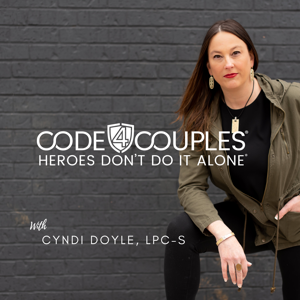

Trauma-informed relationships start with understanding moral injury, the stress that blindsides even the strongest first responders. In this episode, we break down how moral injury shows up in first responder work and why it impacts families long after the shift ends.
What you'll learn: • How "non-traumatic" calls can still create deep wounds • The difference between guilt, shame, burnout, and moral injury • Why first responder stress builds over time and spills into relationships • What partners can do to help and why peer support matters • Practical steps to rebuild connection and emotional stability
Cyndi Doyle is a licensed professional counselor supervisor, founder of Code4Couples®, author of Hold the Line, and a retired police spouse. She helps law enforcement and first responder couples stay connected, resilient, and grounded in their relationship.
👉 Primary CTA — Get the book: Hold the Line: The Essential Guide to Protecting Your Law Enforcement Relationship https:/*/www.amazon.com/Hold-Line-Protecting-Enforcement-Relationship-ebook/dp/B08TPRTY9G#customerReviews
👉 Speaking / Booking: Bring Cyndi to your department or conference → https://code4couples.com/training/
00:00 Welcome to Code4Couples 01:00 Meet Ashley: Paramedic to counselor 04:00 When your body says "no more" 07:00 The pressure to hide emotional struggle 10:00 The call that changed everything 14:00 When moral injury hits without warning 18:00 Guilt, shame, and the stories we create 22:00 How moral injury shows up like trauma 28:00 Cynicism, compassion fatigue, and burnout 32:00 What healing actually looks like 39:00 Stress in the body vs. stress in your mind 44:00 Supporting your first responder partner 47:00 Peer support as a lifeline 49:00 How to find Ashley + additional resources 51:00 Final thoughts and takeaway
 View all episodes
 By Cyndi Doyle

4.8
7373 ratings
Trauma-informed relationships start with understanding moral injury, the stress that blindsides even the strongest first responders. In this episode, we break down how moral injury shows up in first responder work and why it impacts families long after the shift ends.
What you'll learn: • How "non-traumatic" calls can still create deep wounds • The difference between guilt, shame, burnout, and moral injury • Why first responder stress builds over time and spills into relationships • What partners can do to help and why peer support matters • Practical steps to rebuild connection and emotional stability
Cyndi Doyle is a licensed professional counselor supervisor, founder of Code4Couples®, author of Hold the Line, and a retired police spouse. She helps law enforcement and first responder couples stay connected, resilient, and grounded in their relationship.
👉 Primary CTA — Get the book: Hold the Line: The Essential Guide to Protecting Your Law Enforcement Relationship https:/*/www.amazon.com/Hold-Line-Protecting-Enforcement-Relationship-ebook/dp/B08TPRTY9G#customerReviews
👉 Speaking / Booking: Bring Cyndi to your department or conference → https://code4couples.com/training/
00:00 Welcome to Code4Couples 01:00 Meet Ashley: Paramedic to counselor 04:00 When your body says "no more" 07:00 The pressure to hide emotional struggle 10:00 The call that changed everything 14:00 When moral injury hits without warning 18:00 Guilt, shame, and the stories we create 22:00 How moral injury shows up like trauma 28:00 Cynicism, compassion fatigue, and burnout 32:00 What healing actually looks like 39:00 Stress in the body vs. stress in your mind 44:00 Supporting your first responder partner 47:00 Peer support as a lifeline 49:00 How to find Ashley + additional resources 51:00 Final thoughts and takeaway

153,606 Listeners

1,077 Listeners

11,789 Listeners
368,948 Listeners

165,404 Listeners

3,756 Listeners

47,406 Listeners

8,426 Listeners

45,665 Listeners

7,539 Listeners

40,288 Listeners

26,629 Listeners

3,403 Listeners

16,962 Listeners

10,220 Listeners