
Sign up to save your podcasts
Or

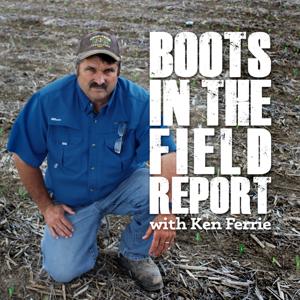

In this week’s Boots in The Field Report Ken covers planting progress of last week and concerns as we look at the weather ahead. Beans that were planned to be planted early and have been treated for SGS, can be planted understanding that they will be in the ground for awhile before they come up and require growers to keep an eye on soil crusting to make sure it doesn’t become an issue. He also explains the difference in conditions that cause concern for losing spike down plants versus seed chilling concerns. Both seed chilling, and spike down loss have the possibility of at 7-10 percent stand reduction, so if fighting both could already be at a 14-20 percent reduction if everything else is perfect. Ken also speaks to some of the lower seed germination results rolling in and if growers have concerns with soybean germination score, they might want to bump population 10%.
 View all episodes
 By Ken Ferrie

4.9
3737 ratings
In this week’s Boots in The Field Report Ken covers planting progress of last week and concerns as we look at the weather ahead. Beans that were planned to be planted early and have been treated for SGS, can be planted understanding that they will be in the ground for awhile before they come up and require growers to keep an eye on soil crusting to make sure it doesn’t become an issue. He also explains the difference in conditions that cause concern for losing spike down plants versus seed chilling concerns. Both seed chilling, and spike down loss have the possibility of at 7-10 percent stand reduction, so if fighting both could already be at a 14-20 percent reduction if everything else is perfect. Ken also speaks to some of the lower seed germination results rolling in and if growers have concerns with soybean germination score, they might want to bump population 10%.
151 Listeners

131 Listeners

227 Listeners
17 Listeners

359 Listeners

119 Listeners
386 Listeners

51 Listeners

119 Listeners

344 Listeners

4 Listeners

25 Listeners
1,636 Listeners

23 Listeners