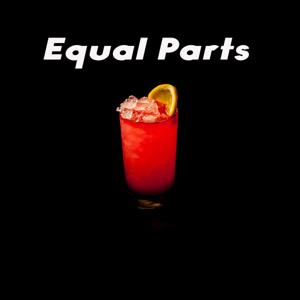
The guys catch up first to learn about Ford's gin being purchased by Brown Forman. The background of Ford's gin stems from the 86 Spirits company, co-founded by Simon Ford, a bartender forward spirits company. After starting with a variety of spirits, Ford's gin stood above the rest and is now a part of the Brown Forman family. But let's move onto the fantastic Paloma! Made from Jarritos grapefruit soda (or Squirt) and your favorite tequila, whether reposado or blanco, but not an anejo. But don't forget the limes, because you need limejuice. And a grapefruit to use as a garnish. This cocktail is built in the glass. No tools necessary. A lovely tall glass, add ice, and you're good to go! Ben talks of his first Paloma, a few years back, when he had heard of it while bartending at Cinco. So he grabbed a case of Jarritos grapefruit and tried it himself. Fast forward to today, there is a house version on draft at Cinco! Ben's spin consists of a grapefruit liqueur, Giffard's, a vanilla bean syrup, lime juice, spicy salt on the rim of your Collins glass, and topped with club soda. Kim on the other hand, hasn't had many Palomas in his life, he's more of a margarita man. Maybe he thought it was too simple, but after years of experience, simple is better. It is an old drink, but isn't everywhere. If you look at old cocktail books, like Savoy or Jerry Thomas, there are virtually no tequila cocktails. The apocryphal version says there's a pap, from Meehan's, popular Cocktails of the Rio Grande by famous bartender Don Javier Corona of La Capilla in the town of Tequila. Ben went and had a famous La Botaña, a derivative of the Paloma, tequila, lime and coca cola and stirred with the same knife used to cut the lime. Don Javier has denied authorship of the pamphlet. but David Wondrich put out an artsy flip book called Killer Cocktails. He traces the origin back to a Squirt advertisement in Mexico suggested combining Squirt and Tequila. You want a tall glass and for the bubbles to travel north. For Ben's Cinco Paloma, an ounce and a half of blanco tequila, quarter ounce of vanilla bean syrup, three quarter ounce of grapefruit liqueur and a half ounce of lime juice, topped with soda and good to go. If you're going traditional, at home, two ounces of tequila, half an ounce of lime juice and Squirt to taste! And a salt rim. Which enhances the flavor of tequila. When you're sipping tequila in Mexico, you're enjoying it with Sangrita, a salty tomato-based drink. A drink that may be hard to find unless you make it yourself! Paloma means dove, a great name for a drink. Maybe do a purple Paloma and called it "When Doves Cry." And to get the drink purple, you can buy butterfly pea blossom, dried, steep them in the tequila and will color the spirit without any additional odor or flavor. Check out Kim's @kimstodel instagram for pictures. Some background to know about tequila, you'll want a 100% agave tequila, from one of the two regions in Jalisco, the lowlands and the highlands, and will take on complexities similar to the terroir of wine. Because it's a plant based spirit, it should be the only ingredient. In the lowlands the soil is volcanic, drier, arid and the agave are working harder to build their agave sugars until maturity, where the flavor will be drier, more peppery, briny like olives. The highland tequilas have mineral rich red clay soil, where the climate is cooler, more moisture and precipitation. The plants build their sugars under relatively little stress, causing the tequila to become sweeter, green as in fresher, vegetal, lemon citrus quality. David Suro did a presentation for Ben and the guys at Cinco, who describes the highlands tequilas are feminine and the lowlands tequilas masculine. Find tequilas that aren't using additives. Product labels often misinform customers, so be sure to read 100% agave on your label. If not, chances are you're actually drinking a Mixto, which means it has to be at least 51% of the distillate is 100% agave, you can call it Tequila. You can't say 100% agave, but you can say tequila, which deceives a lot of the general public. 100% agave is a mark of purity. But it doesn't end there. Back in the old days, before transparency in production, many taquilleros, were using additives. Some of them used it to distinguish their tequila from someone else, but others were using residual sugars, agave sugar, vanilla, agave nectar. There are a lot of companies still doing this, cutting corners in production. Because they're making money they have clout with there CRT and so forth, so many producers got grandfathered in and are allowed to utilize one percent of additives in the tequila. Home bartenders out there, look for 100% agave AND tequila on the label. Learn about rimming the glass with salt! Learn about making vanilla syrup!