What if accessibility isn't a checklist to complete, but one of the most powerful ways we create belonging?
We love to talk about community — how to build it, grow it, and sustain it. But here’s the truth: you can’t have community without access. And too often, accessibility gets reduced to a narrow conversation about compliance, accommodations, or disability when it’s really about something much bigger.
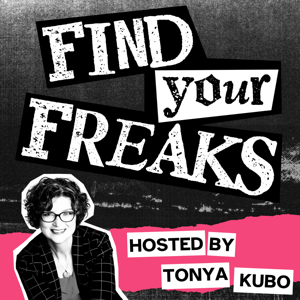
In this episode of Find Your Freaks, Tonya Kubo sits down with learning experience designer and online education expert Dr. Catrina Mitchum to explore what accessibility actually means and why it matters far beyond legal requirements. Drawing on nearly two decades of experience teaching adults online, Catrina shares how thoughtful course design, clear communication, and a willingness to ask better questions can help more people participate, learn, and belong.
Together, Tonya and Catrina unpack the hidden barriers that often prevent people from fully engaging in learning communities, from cognitive overload and unclear instructions to assumptions about technology, culture, and prior experience. They also challenge the idea that accessibility is something extra we do after the fact, arguing instead that it should be woven into the foundation of every community and learning experience from the start.
At its core, this conversation is a reminder that accessibility isn't about perfection. It's about making intentional choices that help more people feel seen, supported, and welcomed into the room.
In This Episode, We Explore- Why accessibility is foundational to belonging and community
- How accessibility extends far beyond captions and compliance checklists
- The hidden role cognitive load plays in learning and participation
- Why clear instructions and context make learning more accessible
- How providing options helps people engage in ways that work best for them
- The connection between accessibility, inclusion, and community building
- Common mistakes course creators make when trying to be accessible
- Why asking people what they need is often the most powerful first step
- How accessibility benefits everyone, not just those with disabilities
- Practical ways business owners and educators can make immediate improvements
Episode Highlights[03:15] Why accessibility is really about belonging
[08:20] Expanding accessibility beyond captions, ramps, and compliance
[19:30] The role cognitive load plays in learning and participation
[24:40] Why learners need to understand the purpose behind what they're doing
[30:15] How accessibility strengthens communities and invites diverse expertise
[44:15] The simple question that can make any space more welcoming: “What would make this a pleasant experience?”
Meet Our GuestDr. Catrina Mitchum is on a mission to revolutionize the online course creation space. A recovering academic who has been teaching adults online since 2009, she combines her expertise in learning experience design, instructional strategy, and accessibility to help overwhelmed small business owners create courses that actually support learner success. Through her work, Catrina helps aspiring course creators build engaging, accessible learning experiences that prioritize people over perfection.
Meet Your HostTonya Kubo is a community strategist, writer, and rebel with a cause: helping people find the place where they truly belong. She’s spent nearly two decades building online spaces that feel more like chosen family than comment sections, and she’s not afraid to call out the fluff in favor of real connection. As the founder of Find Your Freaks, Tonya brings together unconventional thinkers, builders, and bridge-makers who believe that “normal” was never the point. When she’s not hosting the show, she’s raising two daughters, leading client communities, and making meaning out of the mess.
Key Quotes“Accessibility isn't optional. It's foundational to belonging.”
“When we make things accessible to more people, it helps far beyond the people we were originally trying to serve.”
“You are not the only expert in the room, and that's exactly how community should work.”
“It's okay if you don't know what people need. Asking is a really good first step.”
“What would make this a pleasant experience?”
Resources & Mentions- Dr. Catrina Mitchum
- Course Creator Playbook
- Dr. Catrina Mitchum YouTube Channel
Support the ShowIf Find Your Freaks matters to you, help us keep it ad-free by buying us a coffee (or two!). Every dollar goes to production so more weirdos can find their people.
You can purchase Find Your Freaks merchandise online through Abilities and Attitudes.
Let's Stay Freaky- Facebook Group
- LinkedIn
- Instagram
- Podcast Hub
What's NextIn the next episode, Tonya explores what accessibility really means beyond captions, transcripts, and compliance checklists. Building on her conversation with Dr. Catrina Mitchum, she examines how removing unnecessary barriers creates stronger communities, deeper belonging, and better experiences for everyone.