
Sign up to save your podcasts
Or

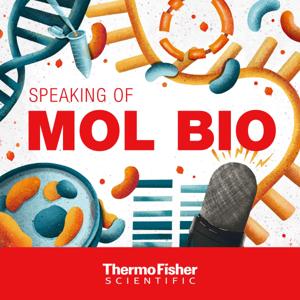

In this Season 4 premiere of Speaking of Mol Bio, host Steve Lewis speaks with Dr. Nina Pollak from the University of the Sunshine Coast about the development of a single-dose vaccine aimed at protecting endangered koalas from Chlamydia pecorum. The disease is a major threat to koala populations across eastern Australia, contributing to infertility, blindness, and increased mortality. Pollak’s work focuses on optimizing the production and quality control of vaccine antigens while supporting regulatory approval and field trials that ultimately led to a conditional minor-use permit from Australia’s veterinary regulatory authority.
The vaccine relies on recombinant versions of the major outer membrane protein (MOMP) from three dominant chlamydial genotypes. Using standard molecular biology techniques, including gene cloning in E. coli, His-tag purification, SDS-PAGE verification, western blotting, and mass spectrometry, Pollak’s team produces and verifies these vaccine antigens before combining them with adjuvants to stimulate protective immune responses.
Beyond the science, the episode explores the challenges of conservation-focused vaccinology: field vaccination of wild animals, limited commercial incentives, and the importance of methods for monitoring disease prevalence. Pollak also reflects on the collaborative nature of the decade-long project and offers advice to young scientists pursuing difficult but meaningful research challenges.
Subscribe to get future episodes as they drop and if you like what you’re hearing we hope you’ll share a review or recommend the series to a colleague.
Visit the Invitrogen School of Molecular Biology to access helpful molecular biology resources and educational content, and please share this resource with anyone you know working in molecular biology.
For Research Use Only. Not for use in diagnostic procedures.
 View all episodes
 By Thermo Fisher Scientific
5
33 ratings
In this Season 4 premiere of Speaking of Mol Bio, host Steve Lewis speaks with Dr. Nina Pollak from the University of the Sunshine Coast about the development of a single-dose vaccine aimed at protecting endangered koalas from Chlamydia pecorum. The disease is a major threat to koala populations across eastern Australia, contributing to infertility, blindness, and increased mortality. Pollak’s work focuses on optimizing the production and quality control of vaccine antigens while supporting regulatory approval and field trials that ultimately led to a conditional minor-use permit from Australia’s veterinary regulatory authority.
The vaccine relies on recombinant versions of the major outer membrane protein (MOMP) from three dominant chlamydial genotypes. Using standard molecular biology techniques, including gene cloning in E. coli, His-tag purification, SDS-PAGE verification, western blotting, and mass spectrometry, Pollak’s team produces and verifies these vaccine antigens before combining them with adjuvants to stimulate protective immune responses.
Beyond the science, the episode explores the challenges of conservation-focused vaccinology: field vaccination of wild animals, limited commercial incentives, and the importance of methods for monitoring disease prevalence. Pollak also reflects on the collaborative nature of the decade-long project and offers advice to young scientists pursuing difficult but meaningful research challenges.
Subscribe to get future episodes as they drop and if you like what you’re hearing we hope you’ll share a review or recommend the series to a colleague.
Visit the Invitrogen School of Molecular Biology to access helpful molecular biology resources and educational content, and please share this resource with anyone you know working in molecular biology.
For Research Use Only. Not for use in diagnostic procedures.
78,636 Listeners

43,898 Listeners

30,666 Listeners

43,528 Listeners

7,639 Listeners
766 Listeners
547 Listeners
12,237 Listeners
965 Listeners

821 Listeners

6,435 Listeners
12,754 Listeners

6,446 Listeners

6,564 Listeners

29,207 Listeners