
Sign up to save your podcasts
Or

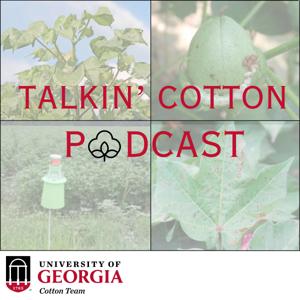

Yields are coming in hot and the lessons are even hotter. We walk the rows with real numbers—1,200 to 1,400 pounds in several spots, three-bale reports on tough ground—and dig into what actually moved the needle: on-time jassid control, patient defoliation, smart irrigation cutoff, and stalk destruction that shuts down the green bridge. From the picker seat to the lab bench, we connect field-edge efficacy trials with practical harvest decisions you can make this week.
We bring the full team perspective together—entomology, agronomy, and on-farm trial work—to explain why a seven-to-ten-day delay on jassid sprays cost yield, how red leaves can still take defoliants if they’re not crunchy, and where fertility turned stress into survival rather than collapse. You’ll hear why irrigated variety trials in Tifton taught more than any spreadsheet, how late-June cotton has clearly cut out, and why strategic tillage—one targeted pass instead of three—can save money without sacrificing soil health. With a warm weather window ahead, most defoliation programs should perform cleanly, and classing results already show promising color and premiums.
We also map the finish-line moves: mow low or pull stalks to starve pests before winter, document where potash fell short, and share acres-treated estimates with your county agent so we can quantify the jassid footprint and sharpen recommendations for 2025. Harvest quality looks within reach if we stick the landing. If this conversation helps you plan your next pass or avoid an unnecessary one, share it with a neighbor, subscribe for updates, and leave a review with your top harvest question—we’ll tackle it on the next show.
 View all episodes
 By University of Georgia's Cotton Team
5
1515 ratings
Yields are coming in hot and the lessons are even hotter. We walk the rows with real numbers—1,200 to 1,400 pounds in several spots, three-bale reports on tough ground—and dig into what actually moved the needle: on-time jassid control, patient defoliation, smart irrigation cutoff, and stalk destruction that shuts down the green bridge. From the picker seat to the lab bench, we connect field-edge efficacy trials with practical harvest decisions you can make this week.
We bring the full team perspective together—entomology, agronomy, and on-farm trial work—to explain why a seven-to-ten-day delay on jassid sprays cost yield, how red leaves can still take defoliants if they’re not crunchy, and where fertility turned stress into survival rather than collapse. You’ll hear why irrigated variety trials in Tifton taught more than any spreadsheet, how late-June cotton has clearly cut out, and why strategic tillage—one targeted pass instead of three—can save money without sacrificing soil health. With a warm weather window ahead, most defoliation programs should perform cleanly, and classing results already show promising color and premiums.
We also map the finish-line moves: mow low or pull stalks to starve pests before winter, document where potash fell short, and share acres-treated estimates with your county agent so we can quantify the jassid footprint and sharpen recommendations for 2025. Harvest quality looks within reach if we stick the landing. If this conversation helps you plan your next pass or avoid an unnecessary one, share it with a neighbor, subscribe for updates, and leave a review with your top harvest question—we’ll tackle it on the next show.

154 Listeners

227 Listeners
20 Listeners
50 Listeners

119 Listeners

1,399 Listeners

45,400 Listeners

1,195 Listeners
16 Listeners
7,427 Listeners

15 Listeners

24 Listeners

6 Listeners

451 Listeners

140 Listeners